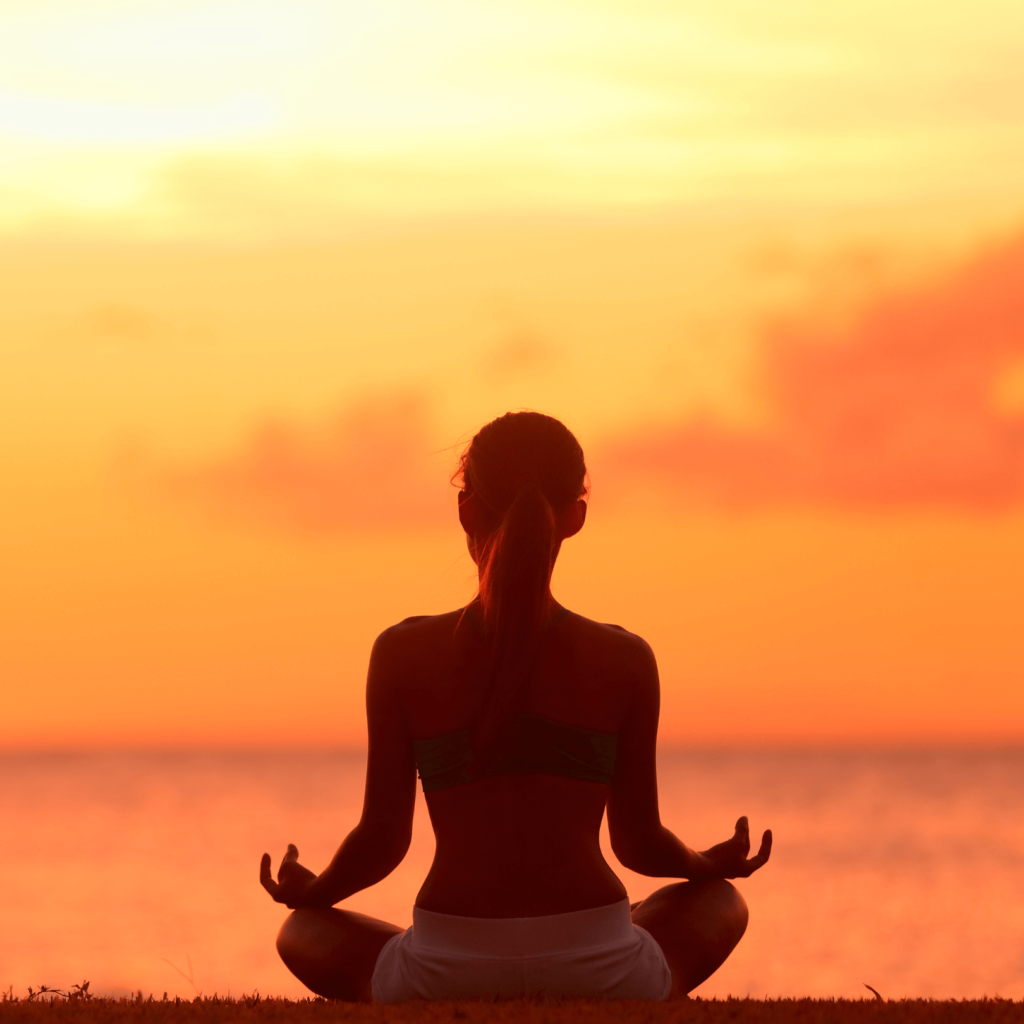
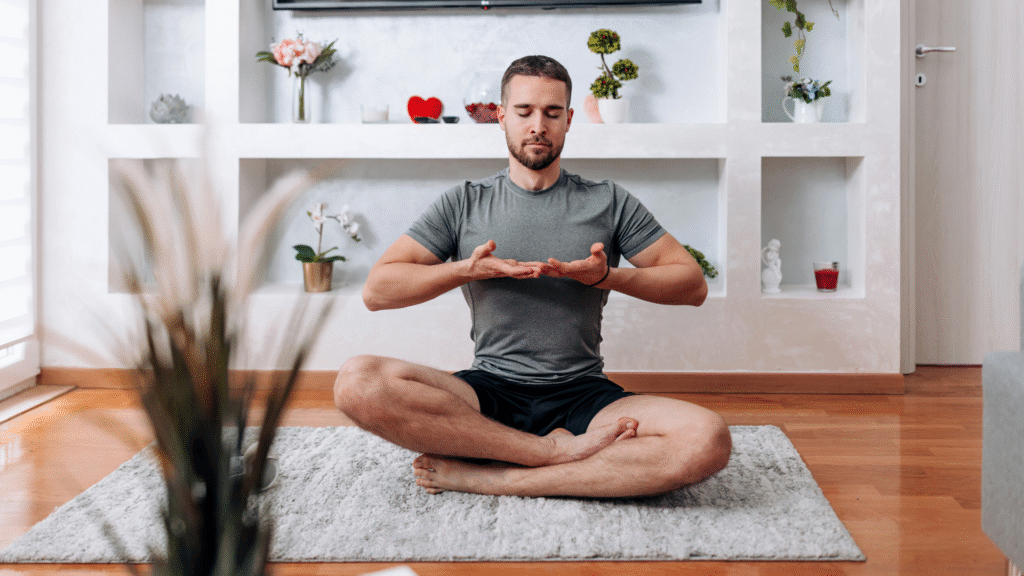
Deep breathing is a simple yet powerful technique that can significantly enhance emotional balance. By actively engaging in deep breathing exercises, individuals can manage stress, reduce anxiety, and promote overall emotional well-being. This practice allows for a greater connection between the mind and body, leading to a state of calm and clarity.
Many people overlook the benefits of focusing on their breath, thinking it is too basic to make a substantial difference. However, research indicates that even a few minutes of intentional deep breathing can trigger physiological changes that help stabilize emotions. As stress levels decrease, the body can transition into a more relaxed state, making it easier to cope with daily challenges.
Incorporating deep breathing into a daily routine is not only accessible but also beneficial for anyone seeking to improve their emotional health. Simple techniques can be learned quickly, making this practice a valuable tool for fostering resilience and maintaining emotional equilibrium.
Understanding Deep Breathing and Its Connection to Emotional Balance
Deep breathing serves as a powerful tool for enhancing emotional balance. By exploring its definitions, scientific underpinnings, and various techniques, individuals can better appreciate how breathing patterns influence emotional states.
What Is Deep Breathing?
Deep breathing involves taking slow, intentional breaths that engage the diaphragm. This technique contrasts with shallow breathing, which often occurs during stress. Diaphragmatic breathing, often referred to as “belly breathing,” allows air to fill the lungs fully, promoting relaxation.
The act of taking deep breaths can lead to improved oxygen flow, helping to calm the nervous system. Many people utilize deep breathing as a way to center themselves and create a sense of clarity amidst emotional turmoil.
The Science Behind the Mind-Body Connection
The connection between breathing and emotional state is rooted in the autonomic nervous system. This system regulates involuntary functions such as heartbeat and digestion, and it has two branches: the sympathetic and parasympathetic systems.
Deep breathing activates the parasympathetic nervous system, known for its calming effects. Research has shown that rhythmic breathing can reduce stress and anxiety levels, facilitating emotional balance. This physiological response aids in lowering heart rates and blood pressure, creating a more tranquil mental state.
Types of Breathing Techniques for Emotional Well-Being
Various breathing techniques can enhance emotional well-being.
- Diaphragmatic Breathing: Encourages full engagement of the diaphragm, promoting relaxation.
- Nadi Shodhana: A yogic practice involving alternate nostril breathing, which balances energy and enhances focus.
- Rhythmic Breathing: Involves maintaining a steady pace, which can help establish a calm, centered mindset.
Utilizing these techniques regularly may aid individuals in coping with negative emotions. Deep, intentional breaths act as a life force, making it easier to navigate emotional ups and downs while promoting overall well-being.
Key Benefits of Deep Breathing for Emotional Balance
Deep breathing serves as a practical tool for emotional regulation. It offers significant benefits, such as stress reduction, enhanced mental clarity, and improved sleep quality. These factors contribute to overall well-being and emotional resilience.
Reducing Stress and Promoting Relaxation
Deep breathing techniques activate the body’s relaxation response. When a person engages in deep breathing, it can lower cortisol levels, which are often elevated during stressful situations. This process calms the mind and promotes a sense of peace.
Practicing deep breathing for just a few minutes can lead to immediate stress relief. By focusing on inhaling and exhaling slowly, a person can ground themselves in the present moment. This helps to dissipate feelings of anxiety, contributing to a more relaxed state.
Enhancing Mental Clarity and Focus
Deep breathing improves oxygen supply to the brain, which enhances cognitive function. As oxygen levels increase, mental clarity and focus improve. This heightened awareness allows individuals to tackle tasks more effectively.
In moments of distraction or overwhelm, deep breathing serves as a reset button. By taking deep breaths, a person can clear their mind and sharpen concentration. This practice can be especially beneficial in high-pressure environments, where focus is essential.
Building Emotional Resilience
Engaging in regular deep breathing can strengthen emotional resilience. As individuals practice these techniques, they learn to manage their emotional responses more effectively. This skill helps them bounce back from challenges with greater ease.
Deep breathing encourages the release of endorphins, which improve mood and emotional well-being. By fostering a positive emotional state, individuals are better equipped to handle life’s ups and downs. This builds a more resilient mindset over time.
Improving Sleep and Managing Insomnia
Quality sleep is vital for emotional balance. Deep breathing techniques can significantly enhance sleep quality by promoting relaxation and reducing racing thoughts. This practice prepares the mind for restful sleep.
For those struggling with insomnia, deep breathing can be a beneficial nightly ritual. It helps signal to the body that it’s time to wind down, creating a calming effect. Regular use of deep breathing may lead to improved sleep patterns and overall better energy levels throughout the day.
Popular Deep Breathing Practices and How to Integrate Them
Deep breathing practices can significantly contribute to emotional balance and stress management. By incorporating these techniques into daily routines, individuals can enhance body awareness, mindfulness, and relaxation.
Breathing Exercises for Everyday Life
Simple breathing exercises can be integrated into daily routines to promote relaxation. For instance, the 4-7-8 technique involves inhaling through the nose for four seconds, holding the breath for seven seconds, and exhaling through the mouth for eight seconds. This practice helps regulate the nervous system and reduce anxiety.
Another effective exercise is diaphragmatic breathing. Individuals can place one hand on their chest and the other on their abdomen. As they inhale deeply, the abdomen should rise while the chest remains still. This technique encourages deeper breaths and engages the diaphragm.
Mindfulness and Meditation Approaches
Mindfulness practices incorporate deep breathing to enhance emotional awareness. Mindfulness meditation often begins with focusing on the breath. Participants observe their breathing patterns without judgment, promoting a state of relaxation.
A popular method is the body scan, where individuals consciously breathe into different body parts. This technique aids in identifying tensions and promotes relaxation. Visualization can also be combined with deep breathing, where individuals imagine inhaling positive energy and exhaling negativity.
Yoga and Pranayama for Emotional Health
Yoga incorporates various breathing techniques known as pranayama. These practices are designed to enhance physical and emotional well-being. For instance, Nadi Shodhana, or alternate nostril breathing, balances the left and right hemispheres of the brain, promoting calmness.
Ujjayi breath is another common pranayama technique, often used in yoga. It involves inhaling and exhaling through the nose while slightly constricting the throat. This practice enhances concentration and fosters emotional resilience.
Breathwork Practices in Daily Routines
Breathwork practices can be seamlessly included in daily activities. For instance, during stressful moments, individuals can take a five-minute break to focus solely on their breath. This practice not only reduces stress but also centers attention.
Incorporating aromatherapy can enhance breathwork efficacy. Using essential oils like lavender or chamomile during breathing exercises creates a calming atmosphere. Creating a dedicated space for breathwork can further enhance the experience, ensuring a consistent practice that promotes emotional balance.
The Broader Impact of Deep Breathing on Overall Well-Being
Deep breathing can significantly enhance both emotional and physical health. It serves as a powerful tool for promoting vitality, improving concentration, and fostering self-awareness.
Physical Health Benefits Beyond Emotional Balance
Deep breathing increases oxygen flow throughout the body, promoting vital organ function. This enhanced oxygenation can lead to lower blood pressure and improved circulation, which benefits heart health.
Individuals with asthma may find that controlled breathing alleviates their symptoms, providing extra support in managing their condition effectively. The practice also activates the parasympathetic nervous system, which helps to counteract the stress response. Regular engagement in deep breathing can thus contribute to overall physical healing.
Enhancing Concentration, Memory, and Performance
Engaging in deep breathing techniques can bolster cognitive function significantly. Increased oxygen delivery to the brain fosters clarity of thought and enhances concentration.
As a result, individuals may experience improvements in memory retention and mental performance. This is particularly beneficial in high-pressure situations that require focus and quick decision-making. Deep breathing also reduces anxiety, which can cloud judgment and hinder performance. A calm mind promotes optimal conditions for creativity and productivity.
Ancient Wisdom and Modern Healing Perspectives
Many ancient practices, such as yoga and meditation, incorporate deep breathing as a fundamental element. These traditions recognized the profound effects of breath on mental and physical health long before modern science validated their findings.
Contemporary healing practices increasingly integrate these techniques, recognizing deep breathing as essential for emotional balance and physical well-being. It is viewed as a bridge between ancient wisdom and modern understanding. This connection underlines the timeless nature of breathing exercises; they serve as a method for achieving harmony in one’s life.
Cultivating Gratitude and Self-Awareness
Deep breathing encourages self-awareness, allowing individuals to reflect on their thoughts and feelings without judgment. This mindful practice can foster a sense of gratitude as one becomes more attuned to their mental state and surroundings.
When practiced regularly, deep breathing aids in recognizing emotional triggers, enabling individuals to respond rather than react. This cultivated awareness paves the way for healthier coping mechanisms. By emphasizing gratitude in the moment, deep breathing can enrich one’s perspective on life, leading to more positive emotional experiences.