
Author: Lavender

  • How to Find Beauty in Life’s Quiet Moments: Embracing Stillness for Greater Joy

    How to Find Beauty in Life’s Quiet Moments: Embracing Stillness for Greater Joy

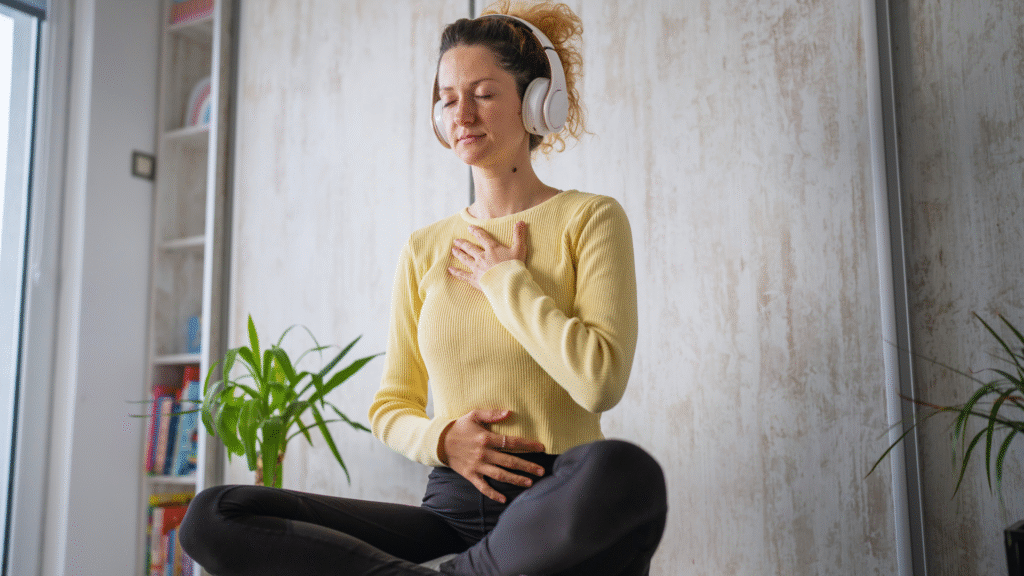
    Finding beauty in life’s quiet moments can transform one’s perspective and enhance overall well-being. By intentionally slowing down and nurturing mindfulness, individuals can discover profound joy in seemingly ordinary activities. These moments offer a chance to appreciate the intricate details of life that often go unnoticed.

    Engaging with one’s surroundings—whether through a morning walk, savoring a warm cup of tea, or simply enjoying the sound of rain—can lead to a deeper connection with the present. This practice fosters gratitude and can serve as a powerful reminder of the beauty embedded in everyday experiences.

    Cultivating an awareness of these subtle instances encourages a more enriching life. Embracing this mindset not only enhances personal fulfillment but also creates a greater appreciation for the world around them.

    Understanding the Value of Life’s Quiet Moments

    Life’s quiet moments hold significant value that can enhance daily experiences. They provide opportunities for reflection, connection, and appreciation of simplicity. Recognizing these moments can lead to a deeper understanding of the beauty present in everyday life.

    The Significance of Stillness

    Stillness allows individuals to pause and connect with their surroundings. In a fast-paced world, moments of quiet can foster mindfulness. This pause often leads to clarity and a chance to recharge mentally.

    People may find beauty in the sound of rustling leaves or the warmth of sunlight. These brief instances can invoke feelings of peace, providing a refuge from chaos. Regularly incorporating stillness into a routine can improve overall well-being.

    How Quiet Moments Shape Our Everyday Life

    Quiet moments are integral to a balanced lifestyle. They serve as anchors, grounding individuals in the present. Amid the noise of daily responsibilities, these pauses facilitate deeper thoughts and creativity.

    Engaging in practices like meditation or simply sitting in silence helps cultivate a sense of calm. This can lead to better decision-making and clearer perspectives. For many, these moments act as essential tools for emotional and mental health management.

    The Beauty of Life Beyond Major Events

    Life’s beauty often unfolds in subtlety rather than grand happenings. Major events can be memorable; yet, it is the quiet moments that resonate deeply.

    Small rituals, like enjoying a cup of tea or watching a sunset, reveal the richness of daily life. These experiences create lasting memories that enrich personal narratives. Cherishing the simple, unremarkable is crucial for recognizing the fullness of existence.

    Cultivating Mindfulness and Presence

    Cultivating mindfulness and presence allows individuals to connect deeply with their experiences. Through specific practices, they can enhance their awareness and let go of unnecessary distractions. These skills foster a powerful sense of peace and appreciation for life’s quiet moments.

    Practicing Mindfulness in the Present

    Mindfulness refers to maintaining a moment-by-moment awareness of thoughts, feelings, and surroundings. Engaging in mindfulness exercises can ground individuals in the present. Simple techniques include:

    • Breath Awareness: Focusing on each inhale and exhale. This helps create a calm mind.
    • Body Scan: Noticing sensations from head to toe. It promotes relaxation and reduces tension.
    • Mindful Eating: Savoring each bite and appreciating flavors fosters gratitude for food.

    Setting aside a few minutes daily for these practices can guide individuals toward a more peaceful state of mind. Through consistent practice, embracing the present becomes easier.

    Heightening Awareness Through Observation

    Observation involves tuning into the details of one’s environment. Observing nature, people, or simple daily tasks can deepen one’s awareness. Consider these approaches:

    • Nature Walks: Paying attention to the sounds of birds or the rustle of leaves. This enhances connection to the world.
    • Silent Observation: Sitting quietly in a public space and noticing emotions, behaviors, and interactions. This can lead to profound insights.

    Individuals may use a journal to reflect on their observations. Writing thoughts can strengthen their understanding and appreciation of small moments. This reflective practice promotes a more mindful lifestyle.

    Letting Go of Distractions to Embrace Presence

    Distractions often disrupt the capacity for presence. Reducing noise and interruptions is vital for mindfulness. Strategies include:

    • Digital Detox: Limiting screen time can clear mental clutter.
    • Designating Quiet Spaces: Creating areas free from disturbances fosters tranquility.

    Engaging in deep breathing techniques when distractions arise helps refocus attention. Mindfully acknowledging distractions as they come can reinforce the practice of returning to the present moment. This empowers individuals to cultivate a more persistent sense of mindfulness.

    Discovering Joy and Gratitude in Small Things

    Finding joy and gratitude in life’s small moments enriches everyday experiences. Recognizing these instances can lead to a deeper appreciation for daily life and enhance overall well-being.

    Finding Happiness in Daily Routines

    Daily routines often carry unnoticed beauty. For instance, the aroma of morning coffee or the warmth of sunlight streaming through a window can spark joy.

    Creating rituals, such as taking a walk or enjoying a quiet meal, fosters mindfulness, allowing individuals to connect with their surroundings.

    Additionally, incorporating small pleasures, like listening to favorite music while completing chores, transforms mundane tasks into joyful experiences.

    Tip: Keep a journal to note these moments, which can enhance appreciation and happiness over time.

    Expressing Gratitude for Ordinary Moments

    Experiencing gratitude for ordinary moments can shift perspectives. Simple things, like the laughter of a friend or the comfort of a familiar chair, often bring unexpected joy.

    Practicing gratitude regularly can change one’s outlook. Setting aside time each day to reflect on small gifts enhances positivity.

    Examples:

    • Noticing the beauty in nature during a daily walk.
    • Appreciating a helpful smile from a stranger.

    These reflections can cultivate a sense of contentment and encourage a grateful mindset.

    Celebrating Kindness and Simple Gestures

    Acts of kindness, no matter how small, can have profound effects. A genuine compliment or a helping hand can ignite joy in both the giver and the receiver.

    Acknowledging these moments fosters a sense of community. For example, volunteering for local causes or simply checking in on a neighbor can create meaningful connections.

    List of Kind Gestures:

    • Sending a thoughtful message to a friend.
    • Offering assistance to someone in need.

    Valuing kindness amplifies its impact and encourages a culture of compassion in everyday life.

    Embracing Solitude and Reflection

    Finding beauty in life’s quiet moments involves recognizing the value of solitude and the insights gained from reflection. Both practices can lead to contentment and deeper self-awareness.

    The Power of Time Alone

    Spending time alone offers an opportunity for personal growth. In solitude, individuals can confront their thoughts without distractions. This time allows for clearer thinking and the chance to engage with one’s emotions.

    Solitude encourages self-discovery. Many find that away from daily noise, they can assess their lives more honestly. Activities such as reading, journaling, or simply enjoying nature can enhance this experience.

    Additionally, moments of alone time can foster creativity. Without external pressures, the mind can wander freely, leading to innovative ideas and renewed passions. Embracing solitude helps individuals recharge, both mentally and emotionally.

    Gaining Contentment Through Quiet Reflection

    Quiet reflection allows individuals to process experiences and emotions. This practice aids in understanding what truly matters to them. Regular reflection can lead to greater insight into personal values and goals.

    Engaging in reflection can take many forms. Journaling, meditation, or even focused breathing can create a space for thoughtful contemplation. These practices help individuals recognize patterns in their lives that may require change.

    Contentment often follows as people align their actions with their core beliefs. By taking time for reflection, they can celebrate small victories and learn from setbacks. This cycle of reflection and growth fosters a sense of peace and fulfillment.

  • How to Create Boundaries That Support Growth in Personal and Professional Life

    How to Create Boundaries That Support Growth in Personal and Professional Life

    Creating boundaries that support personal growth is essential for anyone looking to enhance their well-being and productivity. Establishing clear limits allows individuals to focus on their goals and prioritize their time and energy effectively. When boundaries are well-defined, they foster an environment where growth can flourish without external distractions or unnecessary stressors.

    Setting boundaries isn’t just about saying “no.” It’s about understanding one’s values and needs to create a balanced life. Whether it’s at work, in relationships, or within personal commitments, clear boundaries empower individuals to take charge of their circumstances and make choices that align with their aspirations.

    By learning to identify and communicate these limits, one opens the door to healthier interactions and greater self-awareness. Boundaries encourage accountability and respect, both for oneself and for others, enabling a space where growth becomes not only possible but inevitable.

    Understanding Boundaries and Their Role in Growth

    Boundaries serve a crucial function in personal development by defining limits that foster self-respect and emotional well-being. They protect individual space, making room for growth while facilitating healthier relationships.

    What Are Personal Boundaries?

    Personal boundaries are individual limits that define acceptable behavior from oneself and others. These can be physical, emotional, or mental, acting as guidelines for interactions and relationships.

    Individuals may set boundaries to protect their time, energy, and feelings. For instance, saying “no” to demands that compromise mental health is a clear boundary. Recognizing and asserting these limits helps build self-esteem and fosters a sense of security.

    Types of Boundaries: Physical, Emotional, Mental, and Social

    Boundaries can be categorized into several types, each serving distinct purposes:

    • Physical Boundaries: Involve personal space and physical touch. For instance, respecting someone’s personal space or preferences regarding contact.
    • Emotional Boundaries: Protect feelings and emotions. This can include sharing or withholding personal feelings based on comfort levels.
    • Mental Boundaries: Relate to thoughts and beliefs. They allow individuals to express opinions and challenge ideas without fear of judgment.
    • Social Boundaries: Govern interactions within social situations. They determine how individuals relate to family, friends, and colleagues.

    Each type is essential for maintaining balance in relationships while supporting personal growth.

    Why Boundaries Matter for Personal Development

    Boundaries play a vital role in personal development by establishing limits that promote mental and physical well-being. They enable individuals to prioritize their needs without feeling guilty or selfish.

    By setting boundaries, individuals can focus on personal growth and emotional stability. This includes addressing what is acceptable in various contexts and standing firm against toxic influences.

    Furthermore, clear boundaries foster mutual respect in relationships, which is integral for healthy interactions. Recognizing when to assert these boundaries is key to preserving self-respect and promoting overall growth.

    Essential Steps to Creating Growth-Oriented Boundaries

    Creating growth-oriented boundaries requires a mindful approach that involves understanding oneself and communicating needs clearly. The following steps focus on essential components for establishing effective boundaries that promote personal growth and well-being.

    Building Self-Awareness and Self-Reflection

    Self-awareness is the foundation for setting boundaries. It allows individuals to recognize their emotions and triggers. Regular self-reflection can uncover patterns in behavior and thoughts.

    Journaling can be an effective method for self-reflection. It encourages people to articulate feelings, which helps clarify personal values and priorities.

    Mindfulness practices, such as meditation, improve self-awareness. By tuning into one’s thoughts and emotions, individuals can better understand their needs and reactions.

    Identifying Your Needs and Limits

    Understanding personal needs is crucial in forming effective boundaries. Individuals should consider what situations drain their energy and which ones uplift them.

    Creating a list of must-haves versus deal-breakers can provide clarity. This helps in determining limits that align with personal growth goals.

    It’s also essential to assess physical, emotional, and mental limits. Recognizing these limits is a critical component of self-care. Individuals must not hesitate to prioritize their well-being when establishing boundaries.

    Communicating Boundaries Effectively

    Clear communication is vital in expressing boundaries. Individuals should practice assertiveness to convey their needs without guilt.

    Using “I” statements can help express feelings without sounding accusatory. For example, “I need time to recharge after work” sets a clear boundary without placing blame.

    Active listening plays a role here as well. It shows respect for others’ opinions while reinforcing personal limits. Keeping communication open fosters mutual respect and understanding in relationships.

    Practical Strategies for Setting and Maintaining Healthy Boundaries

    Establishing and maintaining healthy boundaries is essential for personal growth. Effective strategies include confidently saying no, addressing pushback, ensuring consistency, and fostering self-compassion.

    Saying No with Confidence

    Being able to say no is vital for boundary-setting. It allows individuals to prioritize their own needs.

    When saying no, clear and straightforward communication is key. For example:

    • Use “I” statements: “I cannot take on another project right now.”
    • Be direct: Skip long explanations to minimize confusion.

    Practicing this skill can reduce stress and protect one’s time. Role-playing situations can also build confidence.

    Decisive responses signal respect for one’s own limits and help others understand boundaries more clearly.

    Dealing with Pushback and Resistance

    Resistance can arise when boundaries are set. People may be accustomed to previous patterns and might push back against changes.

    To handle this resistance, it’s important to remain calm and assertive. Techniques include:

    • Stay firm: Reiterate the boundary without engaging in conflict.
    • Acknowledge feelings: “I understand this is unexpected, but I need to prioritize my time.”

    Listening to concerns can also ease tension, but maintaining the boundary is essential.

    Boundaries should not be negotiable; adapting to pushback may create misunderstandings.

    Consistency and Adaptability in Boundary Maintenance

    Once boundaries are established, consistency reinforces them. Regularly communicating boundaries ensures they are respected over time.

    However, adaptability is also crucial. Life circumstances may require a reassessment of boundaries.

    Steps to maintain balance include:

    • Regular check-ins: Revisit boundaries to evaluate if they still serve the intended purpose.
    • Flexibility: Be open to adjusting boundaries as needed without losing sight of core values.

    This balance allows for resilience in personal growth while ensuring boundaries remain protective and effective.

    Integrating Self-Compassion and Self-Worth

    Self-compassion is essential in setting boundaries. It fosters resilience and reinforces a sense of self-worth.

    Acknowledging personal limits without judgment strengthens one’s ability to say no. Practices to consider include:

    • Self-reflection: Regularly assess personal needs and emotions.
    • Positive affirmations: Remind oneself that valuing their time is not selfish.

    This inner dialogue enhances self-worth, making it easier to sustain boundaries. By recognizing the value of individual needs, they can establish healthier dynamics with others.

    Real-Life Applications and Lasting Benefits

    Establishing boundaries has concrete applications that positively impact various aspects of life. The benefits extend to work-life balance, relationship dynamics, mental health, and overall well-being.

    Enhancing Work-Life Balance

    Setting clear boundaries between work and personal time is essential for maintaining a healthy work-life balance. For instance, an employee may designate specific hours for work-related tasks, avoiding emails and calls outside those times.

    This separation fosters productivity during work hours and enhances personal time quality. Individuals who implement such boundaries often report reduced stress and increased job satisfaction. With improved focus, they can effectively manage their responsibilities while enjoying leisure activities, leading to a more balanced life.

    Fostering Stronger Relationships

    Boundaries play a critical role in cultivating stronger relationships, both personally and professionally. Individuals who communicate their limits clearly can reduce misunderstandings with friends, family, and colleagues.

    For example, someone might express their need for uninterrupted time during a crisis, allowing their loved ones to provide support more effectively. This open communication builds trust, enabling relationships to flourish. Additionally, it allows for healthy conflict resolution, as individuals feel safer discussing their needs and concerns.

    Supporting Mental and Emotional Health

    Maintaining boundaries significantly contributes to mental and emotional health. Individuals who respect their limits tend to experience lower anxiety and greater resilience.

    For example, someone might decline social invitations when feeling overwhelmed, enabling them to recharge. They can engage in activities that align with their emotional state, such as meditation or journaling. By prioritizing mental wellness through boundaries, they cultivate a sense of autonomy and self-care, resulting in improved emotional stability and a clearer mindset.

    Promoting Overall Well-Being

    The establishment of boundaries extends to overall well-being, promoting a holistic approach to life. Creating space for personal health activities, such as exercise or hobbies, can lead to enhanced fulfillment.

    By carving out time for self-improvement, individuals can find greater satisfaction in their lives. Moreover, those who respect their limits report better sleep quality and higher energy levels. This proactive approach to boundaries ultimately fosters a more vibrant and enriching lifestyle, enabling individuals to thrive.

  • How to Create a Self-Care Routine That Truly Fits Your Lifestyle

    How to Create a Self-Care Routine That Truly Fits Your Lifestyle

    Creating a self-care routine that truly fits is essential for maintaining well-being in a busy world. Individuals should begin by identifying their unique needs and preferences, ensuring the routine reflects their lifestyle and aspirations. This personalized approach can enhance motivation and effectiveness, making it easier to integrate self-care into daily life.

    To establish a meaningful self-care routine, one must consider various aspects such as physical health, mental well-being, and emotional balance. Exploring different activities, from exercise to mindfulness practices, can help individuals discover what resonates with them. By focusing on what genuinely brings joy and relaxation, self-care becomes not just a task but a rewarding experience.

    Ultimately, a successful self-care routine is one that adapts over time. Regular reflection and adjustment based on evolving needs will keep the practice relevant and beneficial. Adopting such a dynamic mindset empowers individuals to take charge of their self-care journey.

    Identifying Your Self-Care Needs

    Recognizing personal self-care needs requires reflection on various aspects of life. By assessing areas that require attention, one can prioritize self-care practices that enhance emotional and physical well-being. Additionally, identifying signs of burnout or imbalance can guide the development of an effective routine.

    Assessing Areas of Life That Need Attention

    To identify self-care needs, individuals should evaluate different life domains such as work, relationships, and health. A brief assessment can help focus on areas that might require support.

    Key areas to assess include:

    • Emotional health: Are they feeling consistently overwhelmed or anxious?
    • Physical health: Is there fatigue or a lack of energy?
    • Social connections: Are relationships fulfilling or strained?

    Through self-awareness and reflection, they can pinpoint which aspects demand the most care and attention. This process might involve journaling or discussing feelings with a trusted friend. The goal is to become more attuned to personal needs.

    Recognizing Signs of Burnout or Imbalance

    Burnout can manifest in various ways, making it essential to recognize its signs. Common indicators include persistent tiredness, irritability, and decreased motivation.

    Signs to note:

    • Emotional depletion: Feeling drained after social interactions.
    • Physical symptoms: Persistent headaches or changes in sleep patterns.
    • Decline in productivity: Struggling to complete tasks that were once manageable.

    Self-compassion plays a critical role in addressing these symptoms. Acknowledging challenges without judgment fosters emotional well-being. Identifying signs of imbalance allows for proactive adjustments in one’s routine, ultimately supporting personal growth and healthier outcomes.

    Setting Realistic Self-Care Goals

    Establishing self-care goals is essential for creating a sustainable routine that fosters well-being. By focusing on achievable targets, individuals can prioritize themselves and their journey toward self-love and self-esteem.

    Defining Achievable Self-Care Goals

    Setting realistic self-care goals begins with identifying what truly matters to an individual. It requires reflecting on personal values and current needs. Specific goals should be formulated, such as engaging in a hobby for 30 minutes weekly or practicing mindfulness daily for ten minutes.

    Using the SMART criteria can help in this process:

    • Specific: Clearly define what the goal is.
    • Measurable: Ensure the progress can be tracked.
    • Achievable: Set goals that are attainable given current circumstances.
    • Relevant: Align goals with personal values.
    • Time-bound: Assign a timeline for achieving these goals.

    By considering these aspects, individuals can foster a self-care plan that enhances their well-being.

    Tailoring Your Routine to Fit Your Lifestyle

    Personalizing a self-care routine is crucial for its effectiveness. Individuals should assess their daily life, schedule, and preferences to create a plan that fits seamlessly. Incorporating activities that can be easily integrated into a busy lifestyle ensures that goals remain realistic.

    For example, someone might prefer evening walks over morning yoga due to time constraints. Prioritizing enjoyable activities increases motivation. It can be beneficial to start small and gradually expand routines as habits develop.

    Incorporating flexibility is vital. Life can be unpredictable, and adaptability allows for consistent self-care practices. This tailored approach not only supports self-esteem but also cultivates a more fulfilling self-care journey, enhancing overall well-being.

    Building Your Personalized Routine

    Creating a self-care routine requires careful selection of activities tailored to individual needs. It’s important to strike a balance between physical, mental, and emotional well-being while integrating these habits into daily life.

    Choosing Self-Care Activities That Resonate

    Selecting self-care practices is personal and should reflect individual preferences. Consider activities like journaling, which allows for reflection and emotional processing. Reading can provide an escape and broaden perspectives.

    Incorporate nutrition as a core element; meal prep and mindful eating enhance physical well-being. Creative expression, such as painting or writing, can boost emotional health.

    Nature walks offer physical activity while promoting mental relaxation. Engage in deep breathing exercises or meditation to center the mind. Assess what resonates most, and prioritize those activities to create meaningful connections.

    Incorporating Balance: Physical, Mental, and Emotional Practices

    Balance is key in a self-care routine. Physical well-being can be supported through exercise, whether it be a morning stretch, light yoga, or a brisk walk. Regular physical activity increases energy and enhances mood.

    Mental and emotional health can be fostered through practices like gratitude journaling and digital detox. Limiting screen time helps reduce stress and promotes mindfulness.

    Incorporating calming music or setting a peaceful atmosphere enhances relaxation. Consider engaging in a regular bedtime routine to ensure restorative sleep. Self-care should encompass all aspects of well-being, creating a holistic approach.

    Scheduling and Integrating Self-Care Habits

    Scheduling self-care habits is essential for consistency. Start by creating a self-care journal to track activities and note what feels beneficial. Establish specific times for practices, making them non-negotiable appointments in the calendar.

    Integrate activities seamlessly into daily life. Short breaks for stretching, breathing exercises, or meditation can be fit in between tasks. Plan weekly nature walks or dedicated reading time to ensure regular engagement.

    Prioritize self-care as essential to personal wellness. By treating these activities as commitments, they become an integral part of daily routines. Regular reflection and adjustment help to refine the routine as needs evolve.

    Maintaining Consistency and Adapting Over Time

    Creating a sustainable self-care routine requires consistent effort and the flexibility to adapt as life changes. By focusing on tracking progress, overcoming barriers, and listening to personal needs, individuals can enhance their self-care practices effectively.

    Tracking Progress and Adjusting as Needed

    Monitoring self-care habits is essential for maintaining consistency. Individuals can keep a daily journal to note activities, feelings, and any changes in emotional or mental states.

    Using a tracking app or a simple spreadsheet can help visualize progress. Individuals should set specific, measurable goals, such as practicing meditation three times a week.

    If an activity no longer serves its purpose or becomes a source of stress, it’s vital to adjust. Experiment with different self-care methods until a suitable balance is found, enhancing overall well-being.

    Overcoming Barriers and Staying Motivated

    Identifying barriers that hinder self-care is crucial. Common obstacles may include time constraints, lack of motivation, or external commitments.

    Working with an accountability partner can help maintain focus and motivation. Sharing goals with someone encourages commitment and provides support.

    Utilizing techniques like deep breathing exercises can help manage stress and provide clarity when motivation wanes. Establishing a consistent schedule for self-care also fosters a habit, making it easier to integrate these practices into daily life.

    Listening to Your Body and Mind

    Self-care is not a one-size-fits-all approach. Individuals must tune in to their bodies and minds to find what best supports their emotional and mental health.

    Practicing regular check-ins can help assess energy levels, mood, and overall well-being. If stress accumulates, it may be time to adjust self-care habits.

    Incorporating activities that bring joy can enhance emotional resilience and balance. Whether through art, exercise, or social connections, these actions contribute to a fulfilling routine that prioritizes mental clarity and emotional self-care.

  • How Small Choices Shape a Peaceful Lifestyle: Embracing Daily Decisions for Inner Calm

    How Small Choices Shape a Peaceful Lifestyle: Embracing Daily Decisions for Inner Calm

    Small choices often carry more weight than people realize. Every decision, no matter how minor it seems, contributes to the fabric of daily life. By consciously making positive choices, individuals can cultivate an environment that promotes peace and tranquility.

    Daily habits, such as how one approaches their morning routine or interacts with others, play a pivotal role in shaping one’s mindset. Simple acts like practicing gratitude or setting clear boundaries can lead to significant changes in overall well-being. These small adjustments can transform daily experiences into a source of comfort rather than stress.

    Ultimately, recognizing the power of everyday decisions empowers individuals to create a more harmonious lifestyle. Embracing these choices not only enhances personal peace but also influences the environment around them, fostering a more serene atmosphere for all.

    The Impact of Small Choices on a Peaceful Lifestyle

    Small choices play a crucial role in nurturing a peaceful lifestyle. These decisions accumulate over time, leading to significant transformation and lasting change. By understanding how everyday actions affect well-being, individuals can harness the power of microdecisions to promote tranquility.

    Understanding the Significance of Everyday Decisions

    Every day decisions shape routines and influence emotional states. Choices regarding what to eat, how to spend time, or whom to interact with can set the tone for one’s day.

    For example, opting for nutritious meals enhances physical health and contributes to mental clarity. Prioritizing moments of mindfulness, such as taking deep breaths or enjoying nature, cultivates a sense of calm.

    Ultimately, recognizing the importance of these seemingly small decisions allows individuals to create environments that foster peace.

    How Minor Actions Influence Long-Term Wellbeing

    Minor actions often lead to profound changes in overall well-being. When individuals commit to small, positive choices, they create a ripple effect that enhances their quality of life.

    A simple act like organizing a workspace can reduce stress and increase productivity. Engaging in daily gratitude practices shifts focus toward positivity and encourages a mindset rooted in appreciation.

    Consistent small actions boost self-efficacy, making it easier to implement larger, transformative changes over time.

    Recognizing the Hidden Power of Microdecisions

    Microdecisions are the daily, often overlooked choices that can have a significant impact. Each decision, no matter how trivial it seems, contributes to a larger pattern of behavior.

    For instance, choosing to take a walk instead of scrolling through social media can lead to enhanced physical fitness and improved mood. These tiny decisions accumulate and lay the foundation for lasting change.

    Being mindful of these microdecisions empowers individuals to take control of their lives and foster a peaceful existence through intentionality.

    Building Momentum Through Intentional Habits

    Intentional habits serve as the foundation for creating a more peaceful lifestyle. By understanding habit formation and actively creating positive routines, individuals can build momentum toward lasting change. Small, consistent actions can lead to significant transformations over time.

    The Science Behind Habit Formation

    Habit formation occurs through a three-step process: cue, routine, and reward. A cue triggers the habit, leading to a routine, followed by a reward that reinforces the behavior. Research shows that it takes an average of 66 days for a new habit to become automatic.

    Focusing on cues in one’s environment can make habits easier to establish. For example:

    • Visual cues, like placing a water bottle on a desk, prompt hydration.
    • Time cues, like a morning alarm, signal the start of a new routine.

    Understanding this process helps individuals create supportive environments for change.

    Creating Positive Routines for Inner Calm

    Positive routines foster inner calm and stability. Individuals can create morning or evening rituals that promote relaxation and mindfulness. For example, a simple routine may include:

    • Mindful breathing for five minutes.
    • Journaling thoughts and feelings.
    • Stretching to release tension.

    Each of these elements contributes to an environment of peace. Variability can help maintain engagement, such as incorporating different breathing techniques or writing prompts.

    Establishing these routines consistently can forge a resilient mindset, making it easier to navigate daily stressors.

    Overcoming the Trap of Grand Gestures

    Many approach lifestyle changes with grand gestures, often leading to burnout. Instead, focusing on small, manageable steps can yield lasting results. For example, setting a goal to walk for 10 minutes each day is more effective than aiming for an hour at the gym every day.

    This gradual approach minimizes overwhelm and encourages consistency. Some strategies include:

    • Tracking progress to maintain motivation.
    • Celebrating small wins to reinforce positive behavior.
    • Adjusting goals based on personal circumstances and experiences.

    By prioritizing small, intentional habits, momentum builds naturally without the pressure of significant changes.

    Shaping Responses for Lasting Change

    Small choices can lead to lasting change through intentional responses rather than automatic reactions. Conscious management of daily stress and integrating mindful practices foster transformation in a peaceful lifestyle.

    Mindful Responses Versus Automatic Reactions

    Mindful responses involve awareness of one’s thoughts and feelings before reacting. This contrasts with automatic reactions, which often arise from unconscious habits. When individuals take a moment to assess their emotional state, they can choose responses that reflect their true values.

    For instance, instead of snapping at someone during a stressful moment, they can take a deep breath and respond calmly. Building this habit requires practice but can significantly change interpersonal dynamics. It helps in transforming challenging situations into opportunities for connection rather than conflict.

    Managing Daily Stress with Small Adjustments

    Daily stress can accumulate and disrupt peace. Small adjustments can mitigate this effect. Simple practices like setting aside five minutes for deep breathing can clear mental clutter and improve focus.

    Creating a small morning routine, such as stretching or drinking water, primes the mind for a productive day. Similarly, dedicating time to short breaks throughout the day allows for mental resets. Each adjustment, while seemingly minor, contributes to a more manageable and less stressful lifestyle.

    Integrating Small Choices into Personal Growth

    Integrating small choices into daily routines fosters ongoing personal growth. Consistency is vital; even small actions can accumulate and lead to significant transformation over time.

    For example, choosing to read for ten minutes each day broadens knowledge and promotes mental well-being. Engaging in daily gratitude practices, such as writing down three things they appreciate, cultivates a positive mindset. These actions reinforce a commitment to growth and self-improvement, leading to lasting changes in perspective and behavior.

  • How Nature Can Support Emotional Recovery: Harnessing the Healing Power of the Natural World

    How Nature Can Support Emotional Recovery: Harnessing the Healing Power of the Natural World

    Connecting with nature can play a vital role in emotional recovery. Nature offers a unique environment that promotes peace and reflection, essential elements for healing. Spending time outdoors can reduce stress, enhance mood, and foster a sense of belonging, making it a powerful ally in the journey toward emotional well-being.

    Incorporating natural elements into daily routines can significantly impact mental health. Whether it’s a walk in the park, gardening, or simply observing wildlife, these activities can help individuals process their emotions and create a sense of calm. Engaging with nature not only provides moments of respite but also encourages individuals to find joy in simplicity.

    The relationship between nature and emotional recovery is well-supported by research. Nature has the ability to distract from negative thoughts and promote positive feelings. By understanding how to utilize these natural benefits, individuals can take meaningful steps toward improving their emotional health and resilience.

    Nature’s Fundamental Role in Emotional Recovery

    Nature plays a vital role in supporting emotional recovery, impacting mental health and well-being. Engaging with natural environments can provide healing benefits, foster emotional connection, and offer evidence-based advantages for psychological healing.

    Healing Power of Nature

    Nature has a unique ability to foster tranquility and reduce stress. Exposure to green spaces can decrease cortisol levels, promoting relaxation.

    Activities like walking in the woods or simply sitting by a river can stimulate positive emotions. Natural light and fresh air contribute to mood enhancement, often alleviating feelings of anxiety and depression.

    Research indicates that spending time outdoors can lead to improved focus and cognitive function. Nature acts as a rejuvenating force, encouraging individuals to reconnect with their feelings.

    Connection Between Nature and Emotional Well-Being

    The connection between nature and emotional well-being is profound. Numerous studies demonstrate that natural settings improve mood and enhance feelings of happiness.

    Engagement with nature can foster mindfulness, allowing individuals to be present and reducing intrusive thoughts. This aligns with practices like ecotherapy, where nature is integrated into therapeutic processes.

    Social connections formed in natural environments also promote emotional support. Activities such as group hikes or community gardening encourage bonding and provide a support network.

    Evidence-Based Benefits for Emotional Healing

    Research provides evidence for the benefits of nature on emotional healing. For instance, studies show that time spent in natural settings can lead to lower levels of anxiety and depression.

    One meta-analysis highlighted the positive effects of nature exposure on mood disorders. Findings indicate that even short interactions with nature can yield significant emotional benefits.

    Furthermore, programs incorporating nature-based interventions have reported higher satisfaction rates among participants. Nature not only fosters emotional recovery but also serves as a complementary approach to traditional mental health therapies.

    Nature-Based Techniques for Supporting Emotional Recovery

    Engaging with nature provides various techniques that facilitate emotional recovery. These methods utilize the natural world to foster healing and promote well-being. Approaches such as forest bathing, mindfulness practices, grounding, and ecotherapy offer structured ways to harness nature’s restorative power.

    Forest Bathing and Shinrin-Yoku

    Forest bathing, known as Shinrin-yoku in Japanese, emphasizes immersing oneself in the forest atmosphere. This practice invites individuals to slow down and observe their surroundings through all five senses. By doing so, participants can experience reduced stress levels and improved mood.

    Spending time in forests has been linked to lower cortisol levels, enhancing emotional resilience. Engaging with trees, plants, and wildlife encourages a sense of connection with the environment. Important activities include leisurely walks along nature trails, deep breathing, and mindful observation of flora and fauna.

    Mindfulness in Natural Settings

    Mindfulness in nature combines traditional mindfulness practices with the therapeutic benefits of natural settings. Individuals can practice mindfulness meditation while surrounded by greenery, enhancing their focus and grounding them in the present moment.

    Nature’s sounds, scents, and sights contribute to this experience, promoting relaxation and reducing anxiety. For optimal benefits, individuals can find a quiet spot to sit or walk, intentionally observing their thoughts and feelings. Breathing exercises while in a natural environment help reinforce this connection, paving the way for emotional clarity and peace.

    Grounding and Sensory Engagement

    Grounding techniques involve physical contact with the earth or natural elements. This practice helps individuals reconnect with their bodies and the present moment. Simple activities like walking barefoot on grass or touching tree bark can significantly enhance emotional stability.

    Sensory engagement is essential in this process, as it allows individuals to focus on sensory experiences rather than negative thoughts. Activities may include feeling the texture of leaves, listening to birdsong, or smelling flowers. Each of these actions promotes mindfulness and encourages emotional healing.

    Ecotherapy and Green Spaces

    Ecotherapy refers to therapeutic practices that integrate nature into the healing process. It encompasses various activities in green spaces, such as gardening, nature walks, and group therapy sessions. This form of therapy aims to foster emotional recovery by creating supportive environments that enhance well-being.

    Studies indicate that participants in ecotherapy report increased life satisfaction and reduced symptoms of depression. Natural settings provide a calming atmosphere that encourages social interaction and emotional support. Collaborating with nature, whether through structured programs or simple outdoor activities, can significantly impact emotional health.

    Nature’s Impact on Mental Health and Addiction Recovery

    Engaging with nature offers significant benefits for mental health, particularly in stress reduction and addiction recovery. The natural environment provides a setting that fosters emotional healing, enhancing well-being through various mechanisms.

    Stress Reduction and Mood Regulation

    Nature exposure significantly reduces stress levels. Studies indicate that even short walks in green spaces can lead to decreased cortisol levels, which is a hormone associated with stress. Immersion in natural settings allows for mental relaxation and rejuvenation.

    Being outdoors also improves mood. Natural light stimulates serotonin production, which can enhance feelings of happiness and contentment. Furthermore, the calming sounds of nature, such as rustling leaves or flowing water, contribute to lower anxiety levels, creating a sense of peace essential for mental health.

    Support for Addiction Recovery

    Connection with nature can aid individuals in addiction recovery. Green environments promote mindfulness, allowing individuals to focus on the present, which is vital in overcoming cravings. Many treatment programs include outdoor activities that encourage physical engagement, fostering responsibility and self-discipline.

    Additionally, nature can serve as a supportive backdrop for group therapy. Sharing experiences in a serene environment enhances interpersonal bonds among peers, creating a communal support system. These connections can play a critical role in maintaining sobriety.

    Restoring Circadian Rhythm and Sleep

    Exposure to natural light helps regulate circadian rhythms. By spending time outdoors during the day, individuals can improve their sleep patterns. Balanced exposure to light assists in the production of melatonin, leading to better sleep quality.

    Proper sleep is fundamental for emotional well-being. Insufficient sleep can exacerbate mental health issues and complicate recovery processes. Therefore, integrating nature into daily routines can provide a dual benefit of improved sleep and emotional stability.

    Social Connection Through Nature

    Nature promotes social interaction, which is crucial for mental well-being. Group activities like hiking or gardening encourage individuals to connect. These shared experiences help build a sense of community, which is beneficial in recovery settings.

    Moreover, interacting in natural environments can reduce feelings of isolation. Individuals experiencing addiction often struggle with loneliness. Engaging in communal activities in nature provides opportunities for meaningful connections, enhancing support networks vital for recovery.

    Integrating Nature Into Your Emotional Healing Journey

    Engaging with nature can be a powerful tool for those on an emotional healing journey. Different methods of connecting with the natural world can enhance well-being and support recovery. Here are practical ways to integrate nature into daily life.

    Accessible Ways to Engage With Nature

    Incorporating nature into everyday activities is essential for emotional recovery. Simple actions can make a significant impact.

    • Short Walks: A brief stroll outside, even in urban settings, allows for exposure to sunlight and fresh air.
    • Gardening: Engaging with plants can promote mindfulness and provide a sense of accomplishment.
    • Mindful Breathing: Practicing deep breathing exercises outdoors brings awareness to the environment and cultivates calm.

    Utilizing these accessible methods encourages ongoing engagement with nature and nurtures emotional healing.

    Nature Trails, Parks, and Green Spaces

    Exploring nature trails, parks, or local green spaces can serve as vital checkpoints in emotional recovery. Walking through these areas provides not only physical activity but also a break from daily stressors.

    • Varied Landscapes: Different settings, such as forests, hills, or rivers, offer unique sensory experiences.
    • Wildlife Watching: Observing local fauna can create a sense of connection and joy.
    • Community Activities: Participating in group hikes or gardening can foster social support, enhancing emotional stability.

    Nature’s diverse environments facilitate reflection and emotional rejuvenation.

    Nature Journaling and Expressive Practices

    Nature journaling merges creative expression with the calming qualities of the outdoors. Documenting experiences can encourage self-reflection.

    • Artistry: Sketching or painting scenes in nature allows for emotional expression and processing.
    • Writing: Keeping a journal about nature experiences can clarify feelings and track progress in healing.
    • Mindfulness Exercises: Engaging senses through activities like listening to the wind or identifying plant species deepens the connection with nature.

    These practices cultivate a thoughtful relationship with the natural world, supporting emotional recovery through creativity and reflection.

  • How Music and Movement Support Emotional Release: Exploring the Therapeutic Benefits

    How Music and Movement Support Emotional Release: Exploring the Therapeutic Benefits

    Music and movement serve as powerful tools for emotional release, allowing individuals to express feelings that may be difficult to articulate. Through listening to music or engaging in dance, people can experience a profound sense of relief and catharsis. These creative outlets promote emotional well-being by providing a safe space for personal expression.

    The rhythms and melodies of music resonate with various emotions, helping listeners connect with their feelings on a deeper level. Movement, whether through dance or simple physical activity, further enhances this connection by encouraging the body to express what words cannot. This combination fosters a holistic approach to emotional health, merging mind and body.

    Engaging with music and movement can also cultivate a sense of community and belonging, amplifying the benefits of emotional release. As individuals share these experiences, they find support among others who resonate with similar feelings. This collective dynamic can be a vital aspect of healing and self-discovery.

    The Connection Between Music, Movement, and Emotional Release

    Music and movement are powerful tools for emotional expression and release. Their interconnectedness allows individuals to communicate feelings that may be difficult to articulate through words alone. The following subsections explore the shared emotional elements and cultural significance of music and movement.

    Shared Emotional Structures in Music and Movement

    Music and movement share foundational emotional structures. Both can evoke similar feelings, such as joy, sadness, or anger, through rhythm, melody, and physical expression. For instance, a fast tempo in music can trigger energetic dance movements, while slow melodies often lead to gentler, more reflective movements.

    Research has shown that specific musical elements correspond with particular movements. A major key often elicits bright, lively motions, while minor keys may lead to subdued or complex gestures. This synergy enables individuals to express emotions naturally and spontaneously, promoting emotional release through a combined sensory experience.

    How Music and Movement Express Emotions

    Different music genres elicit distinct emotional responses. For example, classical music can inspire a sense of tranquility and introspection, while upbeat pop music may invoke happiness and excitement. Movement acts as a physical manifestation of these emotions, allowing individuals to embody what they hear.

    Dance, in particular, serves as a universal language of emotion. Dancers interpret music through choreography, making emotional experiences visible. This holistic interaction between sound and movement facilitates catharsis, allowing listeners and performers to process complex feelings, whether they’re seeking relief from stress or celebrating positive life events.

    Universality Across Cultures

    Across diverse cultures, music and movement function similarly in expressing emotions. Traditional dances often accompany local music, showcasing cultural identity while conveying universal feelings. For example, the lively steps of a traditional African dance celebrate community, while the slow, deliberate movements of Asian dance may express contemplation.

    Studies indicate that emotional responses to music are largely consistent across cultures. Regardless of background, people tend to respond similarly to specific musical cues, reinforcing the idea that music and movement are deeply rooted in human experience. This shared understanding promotes emotional connection and release, transcending cultural barriers.

    Mechanisms of Emotional Release Through Music

    Music engages various mechanisms that facilitate emotional release. It influences emotional processing in the brain and provides a direct pathway for stress relief and anxiety reduction. Understanding these mechanisms reveals how music serves as a powerful tool for emotional expression.

    Neuroscience of Emotional Processing with Music

    Research indicates that music activates specific brain regions involved in emotional processing, such as the amygdala and the prefrontal cortex. These areas are responsible for interpreting emotions and regulating feelings. When individuals listen to music, neurotransmitters like dopamine are released, promoting feelings of pleasure and reducing negative emotions.

    Studies show that participants often experience catharsis through music, stemming from the brain’s ability to associate certain melodies with past experiences. Emotional memories tied to music can trigger a release of pent-up feelings, allowing for reconnection with those emotions.

    Role of Musical Features in Emotion

    The emotional impact of music is largely determined by its features, including tempo, harmony, and dynamics. For instance, fast tempos can elicit feelings of excitement or happiness, while slower tempos may evoke sadness or nostalgia. Major keys often convey joy, whereas minor keys are associated with sadness.

    Dynamic contrasts also play a vital role. Crescendos can intensify feelings, while sudden pauses can create an emotional shift. Through these musical components, listeners are guided to experience and process a wide range of emotions, ultimately facilitating emotional release and allowing for deeper self-reflection.

    Music’s Impact on Stress and Anxiety

    Music serves as an effective tool for managing stress and anxiety by promoting relaxation and enhancing mood. Listening to certain genres, such as classical or ambient music, has been shown to lower cortisol levels, a hormone associated with stress.

    Moreover, engaging with music—whether through playing instruments or singing—can serve as an active distraction from anxiety-inducing thoughts. Group music-making activities, like choir singing, also foster a sense of community and belonging, which can alleviate feelings of isolation and anxiety. The rhythmic and melodic structures of music create a sense of order and predictability, providing comfort during stressful times.

    Role of Movement in Emotional Processing and Stress Relief

    Movement plays a crucial role in how individuals process emotions and relieve stress. It allows for the physical expression of feelings and can aid in releasing emotions that might be stored in the body.

    Movement as a Tool for Releasing Stored Emotions

    Movement acts as a catalyst for emotional release. When individuals engage in physical activity, they may find themselves expressing emotions that have been suppressed. For example, activities like dancing or vigorous exercise can trigger an emotional response.

    This release can lead to a sense of relief and clarity. Specific movements, such as stretches or rhythmic motions, can help loosen tensions within the body, promoting emotional expression. Engaging in movement fosters a deeper connection to one’s own feelings, allowing for healthier emotional processing.

    Types of Movement for Emotional Wellness

    There are various forms of movement that can enhance emotional wellness. Activities such as yoga integrate physical motion with breathing techniques, which can significantly reduce anxiety. Tai Chi combines slow, deliberate movements with mindfulness, providing a calming effect.

    Cardiovascular exercises like running or cycling release endorphins, which improve mood and decrease stress levels. Furthermore, group activities or team sports promote social interaction, leading to positive emotional experiences. Each type of movement serves as an avenue for emotional engagement and stress relief.

    Mindfulness Practices with Movement

    Mindfulness practices that incorporate movement foster a greater awareness of the body’s sensations and emotions. Techniques like mindful walking encourage individuals to focus on each step, enhancing their connection to the present moment. This can help in recognizing emotional states and responses.

    Meditative practices with movement, such as Qigong, allow for intentional focus on breath and body alignment. This specific focus supports emotional processing by increasing self-awareness. As individuals become more attuned to their movements, they can channel emotions more effectively, leading to a healthier emotional state.

    Integrating Music and Movement for Emotional Well-Being

    Combining music and movement creates powerful opportunities for emotional release and processing. This integration enhances self-awareness, fosters mindfulness, and promotes emotional resilience.

    Benefits of Combining Music and Movement

    The synergy of music and movement provides multiple benefits for emotional well-being. Engaging in dance to music can facilitate emotional release by allowing individuals to express feelings that may be difficult to articulate.

    Research indicates that rhythmic movement can activate brain regions associated with emotion, enhancing mood and reducing anxiety. In social contexts, group activities involving music and dance foster a sense of community, leading to deeper connections. The playful nature of these activities often encourages self-expression, supporting mental health.

    Practical Strategies and Examples

    Incorporating music and movement into daily routines can be simple yet effective. Individuals might consider the following strategies:

    • Dance Breaks: Taking short breaks to dance to uplifting music can reset mood and enhance focus.
    • Mindful Movement: Engaging in activities like yoga or tai chi while listening to calming music promotes mindfulness and emotional processing.
    • Creative Expression: Joining a dance class or a drum circle can provide communal support and a safe space for emotional expression.

    These activities encourage people to tune into their bodies, fostering awareness and assisting in emotional regulation.

    Long-Term Effects on Emotional Resilience

    Regular engagement in music and movement contributes to long-term emotional resilience. Consistent practice helps individuals develop coping mechanisms for stress and anxiety.

    Moreover, it enhances their ability to process emotions effectively. Over time, participants may experience increased self-esteem and improved emotional regulation.

    Group activities provide a supportive environment that reinforces social connections, further strengthening emotional well-being. This ongoing integration of music and movement not only benefits mental health but also promotes a more fulfilling life overall.

  • How Movement Can Become a Form of Healing: Exploring the Therapeutic Benefits of Physical Activity

    How Movement Can Become a Form of Healing: Exploring the Therapeutic Benefits of Physical Activity

    Movement plays a crucial role in enhancing well-being and can be a powerful component of healing. Whether through dance, yoga, or simple forms of exercise, physical movement helps to release endorphins, reduces stress, and promotes emotional balance. The act of moving one’s body can facilitate a connection between mind and spirit, paving the way for a holistic healing experience.

    Many individuals have turned to movement as a means to cope with trauma or emotional distress. The rhythm and flow of physical activity allow for the expression of feelings that may be difficult to articulate. By engaging in movement, one can unlock stored emotions, leading to a sense of liberation and clarity.

    Incorporating movement into daily routines can create a positive shift in mental health. From improving mood to enhancing focus, the benefits are tangible and can lead to a more fulfilling life. Embracing movement as a healing practice not only nurtures the body but also fosters a deeper understanding of oneself.

    The Foundations Of Healing Through Movement

    Movement serves as a powerful mechanism for healing, impacting both physical and mental health. Through various forms of activity, individuals can experience significant improvements in their overall well-being.

    The Science Behind Movement And Recovery

    Research shows that physical activity enhances recovery mechanisms within the body. Exercise promotes blood flow, which facilitates the delivery of oxygen and nutrients to tissues, accelerating healing processes.

    Hormones such as endorphins and serotonin are released during movement, contributing to pain relief and mood improvement. Studies indicate that consistent activity can decrease inflammation and enhance immune function, further supporting recovery.

    Moreover, engaging in movement stimulates the production of neurotrophic factors. These proteins encourage the growth of neurons, playing a critical role in brain health and cognitive recovery.

    Physical And Mental Benefits Of Movement

    The benefits of movement extend beyond physical improvements. Regular exercise enhances cardiovascular health, increases flexibility, and builds strength. These physical benefits contribute to an individual’s ability to perform daily activities with ease.

    Mentally, movement has profound effects on mood and cognitive function. Physical activity has been linked to reduced symptoms of anxiety and depression. Engaging in movement releases neurotransmitters that improve focus and clarity, enhancing mental well-being.

    A study found that even short bursts of movement can significantly elevate mood levels. As a result, incorporating regular physical activity into daily routines can provide sustained mental and emotional benefits.

    The Connection Between Movement And Emotional Well-Being

    Movement plays a vital role in emotional health by promoting self-regulation and resilience. Engaging in physical activities can serve as an outlet for stress, allowing individuals to process emotions effectively.

    Activities like yoga and dance incorporate mindfulness, which enhances emotional awareness. This connection between mind and body fosters a greater understanding of personal feelings and reactions.

    Furthermore, social aspects of movement, such as group classes or team sports, can strengthen relationships and community bonds. This social engagement is essential for emotional support and well-being, reinforcing the healing power of movement in various aspects of life.

    Movement Modalities And Their Therapeutic Roles

    Movement can significantly impact both physical and mental health. Various modalities provide unique benefits, enabling individuals to harness movement for healing and improvement in well-being.

    Yoga For Healing And Balance

    Yoga combines physical postures, breathing techniques, and meditation to enhance overall well-being. Practitioners often experience improved posture, flexibility, and strength.

    Specific styles like Hatha focus on aligning the body, while Vinyasa emphasizes fluid transitions. This practice not only promotes physical health but also reduces stress and anxiety.

    Research shows that regular yoga sessions can enhance emotional balance. Participants frequently report increased mindfulness and a stronger connection between body and mind, reinforcing its healing benefits.

    Dance Therapy And Self-Expression

    Dance therapy leverages movement and creativity to promote emotional healing. It allows individuals to express feelings that may be difficult to articulate through words.

    By utilizing rhythmic movements, participants can process trauma and enhance self-awareness. Techniques vary, incorporating improvisation, structured dance, and specific choreography to facilitate expression.

    Dance encourages social interaction, which can alleviate feelings of isolation. Participants often find joy and freedom in movement, fostering a sense of community and support.

    Movement Therapy Practices

    Movement therapy encompasses varied approaches designed to enhance psychological and emotional well-being through structured movement. These practices often incorporate elements of dance, body awareness, and creative expression.

    Therapists guide clients in exploring movement as a means of communication. This exploration can lead to improved emotional regulation and a deeper understanding of personal experiences.

    Gaining awareness of bodily sensations and movements may help individuals reconnect with their physical selves. Enhanced body awareness can also aid in processing emotions and increasing resilience.

    Walking, Cycling, And Everyday Activities

    Simple activities such as walking and cycling significantly contribute to physical health and mental well-being. These forms of movement promote cardiovascular fitness and mobility.

    Walking offers a low-impact way to engage in physical activity. It can be seamlessly integrated into daily routines and is accessible to most people.

    Cycling not only strengthens leg muscles but also improves coordination and balance. Both activities can serve as meditative practices, allowing individuals to clear their minds and focus on the present moment.

    Engaging in these everyday movements provides a sense of routine while fostering a lifestyle geared toward health.

    Movement As Healing For Trauma And Self-Discovery

    Engaging in movement practices can facilitate healing from trauma while fostering self-discovery and improved self-esteem. By integrating physical activity with mindfulness, individuals can effectively navigate emotional challenges and build resilience.

    Addressing Trauma Through Somatic Practices

    Somatic practices, such as dance, yoga, or tai chi, focus on the connection between the body and mind. These practices encourage individuals to listen to their bodies and express unprocessed emotions stored within.

    Movement can release pent-up energy, allowing trauma to surface in a safe environment. Research indicates that these techniques help regulate the autonomic nervous system, promoting a sense of safety and enabling emotional release.

    Participants often report a reduction in symptoms of anxiety and depression as they reclaim their bodily sensations. This integration of movement in trauma recovery emphasizes the importance of physical awareness as a pathway to healing.

    Building Self-Esteem And Confidence

    Movement promotes self-esteem and confidence by encouraging individuals to set and achieve personal goals. Engaging in physical activities can lead to noticeable improvements in strength, coordination, and body awareness.

    Group classes or team sports provide social interaction, fostering connection and support. Success in these activities can contribute to a more positive self-image, enhancing feelings of worthiness.

    Moreover, as individuals explore their physical capabilities, they often discover new aspects of themselves. This self-discovery can instill a sense of empowerment, reinforcing the belief that they can overcome challenges both in movement and life.

    Mindfulness And Emotional Regulation

    Incorporating mindfulness into movement practices serves as a powerful tool for emotional regulation. Mindful movement encourages individuals to remain present, enhancing their ability to recognize and manage emotions.

    Focusing on breath and body sensations during movements can help ground individuals and mitigate feelings of anxiety. Regular practice can enhance the release of endorphins, promoting positive emotional states.

    This connection between body awareness and emotional regulation can assist individuals in processing difficult feelings. Mindfulness within movement fosters a supportive environment where individuals can learn to navigate their emotional landscape with greater ease.

    Building Strength And Rehabilitation Through Movement

    Movement plays a critical role in building strength and facilitating rehabilitation. Effective rehabilitation not only focuses on physical recovery but also enhances overall mobility, coordination, and functional abilities.

    Physical Strength And Injury Recovery

    Enhanced physical strength is essential for recovering from injuries. Targeted exercises help rebuild muscle strength, improve joint stability, and restore function.

    Key methods include:

    • Resistance Training: Utilizes weights or resistance bands to strengthen muscles.
    • Bodyweight Exercises: These provide a convenient option for all fitness levels, utilizing one’s own weight.
    • Aerobic Conditioning: Improves blood flow and promotes healing by increasing oxygen supply to injured tissues.

    These approaches help individuals regain strength and confidence in their movements, facilitating a smoother recovery process.

    Rehabilitation Approaches And Functional Mobility

    Rehabilitation focuses on strategies that promote functional mobility. Tailored programs emphasize specific exercises that address an individual’s needs.

    Common rehabilitation approaches include:

    • Physical Therapy: A structured program designed by a licensed therapist to target muscle groups and mobility issues.
    • Occupational Therapy: Enhances daily functioning through focused activities.
    • Aquatic Therapy: Utilizes water resistance to provide low-impact alternatives for strength building.

    By incorporating these strategies, individuals can regain independence in their daily movements and activities.

    Coordination And Posture Improvement

    Improving coordination and posture is crucial for rehabilitation success. Maintaining proper posture supports alignment and prevents further injury.

    Effective techniques for coordination include:

    • Balance Exercises: Activities like standing on one leg or using balance boards enhance proprioception.
    • Core Stability Workouts: Strengthening core muscles improves overall stability and posture.
    • Dynamic Movements: Exercises that combine different movements enhance motor control and coordination.

    These methods not only foster recovery but also contribute to long-term physical health and well-being.

  • How Journaling Supports Mental Clarity: Unlocking Your Mind’s Potential

    How Journaling Supports Mental Clarity: Unlocking Your Mind’s Potential

    Journaling serves as a powerful tool for achieving mental clarity. By putting thoughts on paper, individuals can organize their ideas and emotions, which often leads to a clearer understanding of their mental state. The act of journaling helps to declutter the mind, allowing for improved focus and decision-making.

    As the thoughts flow into written form, distractions diminish, enabling deeper self-reflection. This process not only aids in articulating feelings but also provides a space for individuals to confront and work through their challenges. Engaging regularly with a journal can foster a sense of control over one’s thoughts and enhance emotional resilience.

    For those seeking both clarity and peace of mind, journaling can serve as an effective practice. It encourages awareness and mindfulness, offering individuals a way to process their experiences and derive meaning from everyday life. The benefits extend beyond the page, contributing to enhanced mental well-being and personal growth.

    Core Benefits of Journaling for Mental Clarity

    Journaling provides significant advantages for achieving mental clarity. It aids in reducing mental clutter, fosters emotional regulation, enhances self-awareness, and supports personal growth.

    Decluttering Mental Space

    Journaling serves as a powerful tool for clearing mental space. By writing thoughts down, individuals can externalize feelings and ideas, which often leads to reduced cognitive overload.

    It allows for organizing chaotic thoughts into structured entries. This process can unveil patterns and recurring themes, helping them recognize what truly matters. The act of writing can also create a sense of relief, as it frees the mind from holding on to unexpressed emotions and insights.

    Emotional Regulation and Processing

    Engaging in journaling promotes effective emotional regulation. It encourages individuals to articulate their feelings, which can facilitate a better understanding of their emotional responses.

    Through writing, they can explore the reasons behind their emotions without fear of judgment. This exploration fosters emotional processing, allowing for healthier coping mechanisms.

    Additionally, reflecting on past experiences can help them identify triggers and develop strategies to manage future emotional challenges.

    Enhancing Self-Awareness

    Journaling significantly contributes to self-awareness. As individuals document their thoughts and feelings, they gain insight into their motivations, desires, and fears.

    This self-reflection cultivates a deeper understanding of personal values and goals. Over time, journaling can reveal changes in perspective or behavior, guiding them towards more aligned choices.

    By recognizing such shifts, individuals are empowered to make informed decisions that enhance their overall mental well-being.

    Fostering Personal Growth and Well-Being

    Journaling acts as a catalyst for personal growth. It encourages individuals to set goals, track progress, and celebrate achievements.

    Writing about aspirations and challenges can reinforce a growth mindset, inspiring resilience and perseverance.

    Moreover, regular journaling contributes to emotional wellness and overall well-being. It provides a safe space for processing setbacks and triumphs, promoting a balanced emotional state and grounding individuals during turbulent times.

    Journaling Methods That Promote Mental Clarity

    Different journaling methods can significantly enhance mental clarity by encouraging reflection, organization, and emotional expression. The following techniques outline effective ways to use journaling for improving focus and mental organization.

    Expressive Writing Techniques

    Expressive writing involves articulating thoughts and feelings freely. This method helps individuals process emotions, reducing their intensity. Shedding light on subconscious concerns can lead to greater awareness.

    Practitioners often set a timer for 15 to 20 minutes and write continuously without worrying about grammar or structure. Key components include:

    • Writing about stressful experiences
    • Describing feelings associated with those experiences
    • Exploring possible solutions or different perspectives

    This free-form approach encourages deeper reflection, fostering mental clarity by clarifying thoughts and feelings. It can also lead to discovering patterns in emotional responses, helping identify triggers.

    Gratitude Journaling

    Gratitude journaling focuses on positive aspects of life, which can enhance overall well-being. Recording daily gratitudes shifts the mindset from negative to positive. This practice allows for acknowledgment of good experiences, influencing emotional health.

    Those who engage in this method typically list three to five things they are grateful for each day. This can include:

    • Personal achievements
    • Supportive relationships
    • Simple pleasures

    By consistently practicing gratitude, individuals create a habit of noticing the positive, improving mental clarity, and reducing negative thoughts. This method shifts focus away from stressors and encourages a more balanced perspective.

    Bullet Journaling for Productivity

    Bullet journaling combines planning and reflection, making it an effective organizational tool. Its structured format promotes productivity and clarity by prioritizing tasks and goals.

    Using symbols like dots for tasks, circles for events, and dashes for notes, users can quickly visualize their commitments. Key benefits include:

    • Daily, weekly, and monthly logs
    • Space for reflections and insights
    • Ability to track habits and goals

    This method encourages an active approach to tracking progress, allowing for better time management. By organizing thoughts, individuals gain clarity on priorities and can reduce the overwhelm often associated with multitasking.

    Art and Reflective Journaling

    Art journaling merges creativity with reflection, offering a unique way to explore thoughts visually. This method can enhance mental clarity by combining imagery with written expression.

    Participants often include drawings, collages, or paintings along with text. Elements might feature:

    • Quotes that inspire reflection
    • Visual representations of emotions
    • Free-form sketches that illustrate thoughts

    The blending of art and writing can provide a therapeutic outlet. It allows individuals to explore complex feelings without the constraints of language. This process can illuminate insights and foster a clearer understanding of personal narratives.

    Best Practices for Building a Journaling Routine

    Creating an effective journaling routine involves intentionality and the right approach. By focusing on purpose, using appropriate tools, and developing consistency, individuals can enhance their journaling experience.

    Starting with Purpose and the Right Tools

    Establishing a clear purpose for journaling helps guide the writing process. Individuals should identify what they wish to achieve, such as mental clarity, emotional processing, or recording experiences.

    Choosing the right tools is equally important. Options range from traditional paper journaling to digital platforms. Paper journals may provide a tactile experience that some find grounding, while apps offer convenience and organization.

    Determining the right environment also enhances focus. Finding a quiet, comfortable space to write can significantly improve engagement and clarity.

    Crafting Effective Journaling Prompts

    Journaling prompts serve as valuable tools for inspiring thoughts and reflections. They can provide direction, making the writing process smoother.

    Individuals can create prompts based on current feelings, goals, or reflections on daily events. Examples include:

    • What made me happy today?
    • What challenges did I face, and how did I respond?

    Engaging in prompt-based journaling allows for deeper exploration of emotions and thoughts. Using diverse prompts can keep the writing practice fresh and engaging.

    Establishing Consistent Daily Habits

    Consistency is key in establishing a successful journaling routine. Setting aside a specific time each day encourages habitual writing. Individuals may choose to journal in the morning for reflection or in the evening for review.

    Designating a comfortable and dedicated writing space can reinforce this habit. Keeping the journal easily accessible serves as a reminder to engage in daily journaling.

    Setting realistic goals also helps maintain motivation. Rather than aiming for lengthy entries, focusing on brief, meaningful reflections can prove more sustainable. Regular practice, even with short entries, fosters the development of a strong journaling habit.

    Long-Term Impact of Journaling on Mind and Body

    Journaling has potential long-term benefits that extend beyond immediate mental relief. Engaging in this practice can lead to improved cognitive function, better emotional awareness, and enhanced overall health. These impacts help individuals navigate both their mental and physical well-being effectively.

    Cognitive Processing and Problem-Solving

    Regular journaling fosters enhanced cognitive processing and improves problem-solving skills. Writing provides individuals with the opportunity to articulate their thoughts clearly. This stream of consciousness allows for a structured analysis of issues, often leading to innovative solutions.

    Engaging in reflective writing can stimulate neural pathways associated with critical thinking. Studies suggest that people who journal regularly develop greater mental flexibility. This flexibility aids in adapting to new challenges and finding effective resolutions.

    Supporting Mental and Physical Health

    The practice of journaling has been linked to various benefits for both mental and physical health. Writing about emotions helps individuals process their feelings, potentially reducing symptoms of anxiety and depression. This emotional regulation contributes to improved mental health outcomes over time.

    Moreover, the physiological effects of journaling can impact immune function. Reduced stress levels from consistent journaling may lead to a healthier immune system. This connection highlights the integrated relationship between mental and physical health.

    Tracking Emotional Patterns and Growth

    Journaling serves as a valuable tool for tracking emotional patterns and personal growth. Individuals can recognize their recurring thoughts and feelings through consistent writing. This self-reflection enhances emotional intelligence, allowing for better interpersonal relationships.

    By documenting experiences and emotional reactions, one gains insights into personal development. Noting progress over time can motivate individuals to continue their growth journey. Additionally, understanding these patterns can help in managing future emotional challenges.

    Mindfulness and Stress Reduction

    Incorporating mindfulness into journaling practices can significantly reduce stress. By focusing on the present moment and articulating thoughts, individuals cultivate greater awareness. This process helps to clear mental clutter, fostering relaxation and clarity.

    Journaling encourages mindfulness through structured reflection. It allows individuals to pause and consider their reactions to daily events. This focus can lead to decreased stress levels and a more balanced emotional state. Regular practice ultimately contributes to long-term mental resilience.

  • Coping Strategies for Days That Feel Too Heavy: Practical Tips for Resilience

    Coping Strategies for Days That Feel Too Heavy: Practical Tips for Resilience

    Some days can feel overwhelmingly heavy, laden with stress and emotional weight. When this happens, it is crucial to identify effective coping strategies that can help lighten the load. Recognizing and implementing practical techniques, such as mindfulness, physical activity, and social connection, can transform those burdensome days into manageable ones.

    Individuals often find themselves navigating a variety of challenges that contribute to their feelings of heaviness. Acknowledging these feelings is the first step toward creating a personalized toolkit for coping. Engaging in activities that foster resilience, such as journaling or creative pursuits, can provide relief and clarity.

    Support systems play an essential role in managing tough days. Connecting with friends, family, or even professional counselors can help provide perspective and encouragement. Utilizing these coping mechanisms not only helps to ease emotional strain but also empowers individuals to face future challenges with greater confidence.

    Understanding Emotional Overwhelm And Its Causes

    Emotional overwhelm often manifests during particularly challenging days. Various stressors may contribute to this state, significantly affecting mental health. Recognizing the causes and signs can help individuals manage their experiences more effectively.

    What Does It Mean To Feel Overwhelmed?

    Feeling overwhelmed occurs when emotional responses exceed an individual’s ability to cope. It often includes feelings of stress, anxiety, and depression. This state can lead to a sense of helplessness, creating a cycle of negative thoughts.

    An individual may experience physical symptoms such as fatigue or irritability. Mental clarity can diminish, impacting decision-making abilities. Factors contributing to this experience may range from immediate stressors to chronic life pressures. Identification of these feelings is a crucial first step in addressing emotional health.

    Common Triggers Of Heavy Days

    Heavy days can arise from various triggers. Common sources include:

    • Work-related stress: Tight deadlines and demanding tasks.
    • Personal challenges: Relationship issues or family responsibilities.
    • Mental health conditions: Anxiety disorders or depression.
    • Chronic stress: Prolonged pressure from multiple sources.

    For those with ADHD, the amount of stimuli can intensify feelings of being overwhelmed. Busy environments may feel particularly taxing, leading to increased anxiety. Identifying these triggers allows individuals to take proactive steps towards managing their responses.

    Recognizing The Signs Of Overwhelm

    Awareness of the signs of overwhelm is vital for timely intervention. Key indicators include:

    • Cognitive symptoms: Difficulty concentrating, persistent worrying, and racing thoughts.
    • Emotional signs: Increased irritability, sadness, or frustration.
    • Physical manifestations: Headaches, gastrointestinal issues, or fatigue.

    A consistent pattern in these symptoms may indicate a need for support. Recognizing these signs empowers individuals to seek solutions, whether through coping strategies or professional help. Addressing overwhelm can enhance overall mental health and well-being.

    Proven Coping Strategies For Overwhelming Days

    On overwhelming days, employing effective coping strategies can significantly mitigate stress and enhance well-being. The following techniques can help manage feelings of being overwhelmed and promote a more balanced approach to daily challenges.

    Pause And Reset: Breathing And Mindfulness

    In moments of overwhelming stress, taking a step back is essential. Breathing exercises can help regain focus and calm the mind. Simple techniques like the 4-7-8 breathing method can be effective:

    • Inhale for 4 seconds.
    • Hold your breath for 7 seconds.
    • Exhale slowly for 8 seconds.

    Mindfulness practices, such as short meditations, can anchor attention in the present. Apps like Headspace or Calm offer guided sessions that facilitate relaxation. Incorporating brief moments of mindfulness throughout the day can create breathing spaces that reduce anxiety and promote clarity.

    Breaking Down Your To-Do List

    A long to-do list can feel insurmountable. Breaking it down into smaller, manageable tasks can alleviate stress. He or she can use the SMART criteria:

    • Specific: Clearly define each task.
    • Measurable: Set criteria to gauge progress.
    • Achievable: Ensure tasks are realistic.
    • Relevant: Align tasks with personal goals.
    • Time-bound: Assign deadlines.

    This approach converts overwhelming tasks into actionable steps. For transformation, they might prioritize high-impact tasks and delegate or eliminate less critical responsibilities. Regularly updating the list allows for adaptability and keeps focus sharp.

    Prioritizing Self-Care And Boundaries

    Establishing strong boundaries is crucial for mental health. It is vital for him or her to learn to say no to requests that compromise well-being. Allocating time for self-care activities—such as reading, exercising, or spending time with loved ones—reinforces personal priorities.

    Creating a daily self-care routine can include:

    • Morning rituals: Set intentions or enjoy a healthy breakfast.
    • Midday breaks: Stretch, walk, or practice mindfulness.
    • Evening wind-down: Engage in relaxing activities.

    Incorporating these elements fosters resilience and helps combat feelings of burnout, ultimately enhancing productivity and mental clarity.

    Effective Time Management Techniques

    Good time management skills serve as crucial tools in managing overwhelm. Techniques such as the Pomodoro Technique can improve focus:

    • Work for 25 minutes uninterrupted.
    • Take a 5-minute break.
    • After four cycles, take a longer break.

    Additionally, scheduling tasks during peak productivity hours enhances efficiency. Prioritizing important tasks in the morning can lead to greater accomplishment throughout the day. Utilizing digital tools like calendars or task management apps can streamline organization and foster a sense of control over time.

    Building A Supportive Environment

    Creating a supportive environment is essential for coping with heavy days. Having the right resources and connections can alleviate feelings of loneliness and provide much-needed support during difficult times.

    Asking For Help And Building Connection

    Reaching out for help can be one of the most challenging steps. It is imperative to recognize that seeking assistance is a sign of strength, not weakness. Individuals can begin by identifying trusted friends or family members with whom they feel comfortable sharing their feelings.

    To facilitate connection, they might consider joining community groups or attending local events. Engaging in conversations about mental health can break the stigma and foster deeper relationships. It is also important to remember that asking for help can prevent burnout and reduce feelings of isolation.

    Seeking Professional Guidance

    Professional help is a valuable resource when coping strategies are insufficient. Therapists and counselors are trained to assist individuals dealing with depression and overwhelming emotions. They can provide tailored strategies and coping mechanisms based on personal experiences.

    Individuals are encouraged to research suitable professionals in their area. Online platforms often offer therapy options that are convenient and accessible. Moreover, support groups led by professionals can provide a safe space for sharing experiences and learning from others.

    Creating A Sustainable Support System

    Building a sustainable support system involves both personal and professional connections. It is beneficial to identify a mix of relationships, including friends, family, and mental health professionals.

    Establishing regular check-ins with close friends can help maintain strong connections. This could involve simple routines, such as weekly calls or coffee dates, to ensure ongoing support. Additionally, individuals might find value in creating structured routines that include their support network, like group exercise or mindfulness sessions.

    Incorporating digital tools can also enhance communication and connection with a support system. Apps that promote mental well-being can facilitate group chats and organized meetings, ensuring continuity in support even during busy periods.

    Long-Term Resilience And Preventing Burnout

    Building resilience is essential for managing stress over time and reducing the risk of burnout. Implementing effective coping strategies can help individuals navigate challenges while prioritizing mental health.

    Recognizing When To Seek Additional Support

    Individuals must be aware of signs indicating a need for extra help. Fundamental signs include persistent feelings of exhaustion, irritability, and difficulty concentrating. For those managing conditions like ADHD, these signs may manifest more acutely.

    When noticing these symptoms, it can be beneficial to reach out to mental health professionals. Therapy, counseling, or joining support groups provides tools to cope better. It’s crucial to remember that seeking help is a strength, not a weakness.

    Establishing Healthy Routines

    Healthy routines play a vital role in maintaining mental wellness. A structured daily schedule can mitigate burnout by creating a sense of stability. This includes setting specific times for work, relaxation, and self-care.

    Incorporating regular physical activity, balanced nutrition, and adequate sleep enhances resilience. Mindfulness practices, like meditation or yoga, can also significantly decrease chronic stress. Finding what works best is essential, as individuals may respond differently to various strategies.

    Managing Overwhelm With Chronic Conditions

    Living with chronic conditions can heighten feelings of overwhelm, making resilience crucial. Strategies to manage stress include breaking tasks into manageable parts and setting realistic goals. Prioritizing tasks helps prevent feelings of being overwhelmed.

    Using tools like planners or apps can aid in organizing daily activities. Establishing regular check-ins with healthcare providers ensures ongoing support. By creating an accommodating environment, individuals can better navigate challenges tied to chronic stress and maintain their mental health.

  • Choosing Kindness in a World of Comparison: Embracing Compassion Over Competition

    Choosing Kindness in a World of Comparison: Embracing Compassion Over Competition

    In a world increasingly defined by social media and constant comparison, the choice to be kind can feel like a radical act. People often find themselves measuring their worth against others, leading to feelings of inadequacy and negativity. Choosing kindness allows individuals to foster a supportive environment that uplifts rather than undermines, transforming both personal interactions and wider communities.

    Practicing kindness not only enhances one’s personal well-being but also cultivates connections that are based on empathy rather than competition. By focusing on the positive aspects of others, individuals can build stronger relationships and create a ripple effect of goodwill. Ultimately, prioritizing kindness over comparison empowers people to find contentment within themselves.

    As society continues to grapple with the pitfalls of comparison culture, embracing kindness becomes essential. This mindset shift not only benefits individuals but also encourages a more compassionate collective experience. Engaging with kindness reshapes perspectives and inspires others to do the same, leading to a more inclusive and uplifting environment.

    The Challenge Of Comparison In Today’s World

    In the current landscape, individuals frequently measure their worth against others. This comparison can hinder personal relationships and lead to significant emotional distress.

    How Comparison Shapes Our Interactions

    Comparison permeates social interactions, often manifesting in competitiveness rather than collaboration. Individuals may feel pressured to present their best selves, leading to superficial connections.

    Friends might regard each other’s successes through a lens of envy, rather than support. This can create tension and breed resentment within relationships. In communities, constant comparisons can undermine trust and authenticity, which are essential for strong interpersonal bonds. People may engage less deeply, afraid of revealing vulnerabilities that could be judged by others.

    The Impact On Self-Esteem and Well-Being

    Being constantly compared can significantly affect self-esteem. An individual might feel inadequate when measuring accomplishments against curated lives presented online or by peers.

    This can lead to feelings of anxiety and depression, contributing to burnout. For those striving for perfection, the relentless pursuit of comparison can detract from overall well-being, resulting in exhaustion. Mental health issues often arise as individuals struggle to find contentment. Addressing these challenges is crucial for fostering a healthier self-image and emotional state.

    Recognizing The Cycle Of Judgment

    The cycle of judgment often begins with one person’s insecurities. They may project these feelings onto others, leading to further comparison and judgment in a continuous loop.

    This cycle can have a cascading effect in communities, where individuals judge one another based on perceived shortcomings. Recognizing this pattern is vital for breaking the cycle. Encouragement and kindness can pave the way for more meaningful interactions. By consciously choosing to uplift rather than judge, individuals can contribute to healthier, more supportive relationships.

    Why Choosing Kindness Matters

    Choosing kindness plays a crucial role in fostering positive interactions and reinforcing emotional well-being. Simple acts of kindness can create a ripple effect, making patience and compassion more prevalent in everyday life.

    Kindness As A Daily Choice

    Individuals can incorporate kindness into their daily routines by making conscious choices. This includes small gestures like offering a compliment or lending a helping hand. Each act of kindness generates feelings of happiness, not only for the giver but also for the recipient.

    Moreover, these interactions elevate oxytocin levels, which enhance trust and bonding. When people choose kindness regularly, it becomes a foundational aspect of their character, influencing others and fostering a supportive community.

    The Contagious Nature Of Kindness

    Kindness often sparks a chain reaction. When one person practices kindness, others are likely to follow suit, magnifying its impact. This contagious quality fosters a sense of belonging and connection among individuals.

    Research shows that witnessing acts of kindness can encourage similar behaviors in others. By promoting an atmosphere where compassion thrives, communities can create environments that prioritize well-being and happiness for all individuals involved.

    Transforming Conflict Into Connection

    Kindness can be a powerful tool for resolving conflict. Approaching disagreements with compassion and patience can facilitate understanding and reduce hostility. Instead of escalating tensions, intentional kindness can defuse situations, allowing for healthier conversations.

    This approach helps build bridges and fosters deeper relationships. Choosing kindness in hard moments not only enhances emotional resilience but also creates pathways for new connections, transforming adversities into opportunities for growth.

    Foundations Of Empathy And Compassion

    Empathy and compassion are crucial in choosing kindness, especially in a competitive society. Key components like emotional intelligence, deliberate empathy towards others, and self-compassion form the basis for nurturing these qualities.

    Emotional Intelligence And Its Role

    Emotional intelligence involves recognizing and managing one’s own emotions while understanding the emotions of others. It enhances interpersonal skills and greatly influences empathy. Individuals with high emotional intelligence can discern feelings in various situations, making them better equipped to respond with compassion.

    Key aspects include:

    • Self-awareness: Recognizing personal emotions.
    • Self-regulation: Controlling emotional responses.
    • Social skills: Building positive relationships.

    Developing emotional intelligence fosters empathy by enabling individuals to connect with others on a deeper level. This connection often leads to a more compassionate response in difficult situations.

    Developing Empathy Towards Others

    Developing empathy requires conscious effort and practice. One effective approach is active listening, which involves fully concentrating on what others say and understanding their perspective without interruption. This builds trust and allows space for vulnerability.

    Additionally, engaging in perspective-taking can enhance empathy. This means imagining oneself in another’s situation and understanding their feelings. Volunteering or participating in community service can also expose individuals to diverse experiences, promoting compassion.

    Empathy strengthens human connections, encouraging individuals to respond with kindness and grace, particularly in challenging times.

    Practicing Self-Compassion

    Self-compassion involves treating oneself with kindness during times of struggle or failure. It encourages individuals to acknowledge their imperfections and understand that suffering is a shared experience. This mindset leads to healthier emotional responses and reduces negative self-talk.

    Practicing self-compassion includes:

    • Mindfulness: Staying present and acknowledging feelings without judgment.
    • Self-kindness: Speaking to oneself in a supportive manner.
    • Common humanity: Recognizing that everyone experiences suffering.

    By cultivating self-compassion, individuals enhance their capacity for empathy. They become more resilient and better prepared to extend kindness to others, forming a cycle of compassion.

    Building Strength Through Kindness In Relationships And Community

    Kindness serves as a significant foundation for building strong relationships and communities. It fosters trust and respect, enabling people to connect at a deeper level and create supportive environments. By prioritizing kindness, individuals contribute positively to their relationships and the broader community.

    Kindness As A Sign Of Strength

    Many perceive kindness as a weakness, yet it often reflects true strength. Choosing to be kind in interactions cultivates an atmosphere of support and empathy.

    In personal relationships, small acts of kindness can fortify bonds. For instance, offering a listening ear during tough times demonstrates care and understanding. This not only deepens emotional connections but also encourages open communication.

    In communities, kindness can inspire collective action and solidarity. For example, community service projects function best when members approach each other with respect and goodwill.

    Leadership Rooted In Respect And Trust

    Effective leadership thrives on a foundation of respect and trust, which are nurtured through kindness. Leaders who demonstrate kindness create a culture where team members feel valued and motivated.

    Such leaders often incorporate inclusive decision-making processes. This respects individual contributions, fostering trust among team members. Regular appreciation of efforts promotes an environment where everyone feels empowered to engage.

    Moreover, kind leaders set a positive example for their teams. Their approach encourages others to emulate these behaviors, enhancing overall group cohesion.

    Sustaining Kindness To Prevent Burnout

    Sustaining an atmosphere of kindness is essential to preventing burnout in relationships and communities. When kindness becomes reciprocal, motivation thrives, reducing stress among participants.

    Creating structures to support kindness is crucial. Organizations might implement wellness programs that prioritize mental health, ensuring individuals feel valued. Regular social check-ins can help monitor emotional well-being.

    Additionally, individuals should recognize their limits. They need to practice self-care to maintain their capacity for kindness. Simple strategies, like setting boundaries and engaging in personal hobbies, allow them to recharge their emotional resources.

  • Building a Wellness Toolkit for Difficult Days: Strategies for Resilience

    Building a Wellness Toolkit for Difficult Days: Strategies for Resilience

    Building a wellness toolkit can be essential for navigating difficult days. When faced with stress, anxiety, or uncertainty, having a set of reliable strategies at hand can make all the difference. A personalized wellness toolkit equips individuals with practical tools to support their mental, emotional, and physical health during challenging times.

    Creating this toolkit involves identifying activities and resources that resonate with personal needs and preferences. This may include mindfulness practices, physical exercises, comforting hobbies, or even supportive connections with friends and family. By curating a selection of effective strategies, individuals can foster resilience and better manage their responses to tough situations.

    Engaging in proactive self-care through a wellness toolkit not only enhances coping skills but also promotes overall well-being. The right tools can transform a difficult day into an opportunity for growth and self-discovery, allowing individuals to reclaim their balance.

    Why Build a Wellness Toolkit for Difficult Days?

    Creating a wellness toolkit empowers individuals to manage life’s challenges more effectively. By focusing on self-care, recognizing personal triggers, and understanding the impact on health, a toolkit becomes a vital resource during tough times.

    Understanding the Importance of Self-Care

    Self-care is essential for maintaining mental and physical health. It involves intentional actions that prioritize personal well-being. These activities might include mindfulness practices, exercise, or creative outlets.

    Recognizing the need for self-care can help individuals recharge. They can develop a deeper understanding of what activities restore their energy and calm. It’s important to seek out resources available in a self-care toolkit that caters to unique preferences and needs.

    Identifying Personal Triggers and Warning Signs

    Identifying personal triggers plays a crucial role in managing stress. Individuals can keep track of patterns that lead to difficult feelings or situations. This awareness allows for timely interventions.

    It’s beneficial to create a list of common warning signs, such as fatigue or irritability. When recognized early, these signs signal the need for self-care strategies. A robust toolkit will include specific actions tailored to counteract these triggers effectively.

    Benefits for Mental and Physical Health

    A wellness toolkit significantly enhances both mental and physical well-being. Regular use can decrease stress levels, improving emotional resilience. Engaging in self-care practices fosters a more positive mindset.

    Physical health also benefits through activities such as exercise, which aids in stress relief. Maintaining both mental and physical wellness can lead to improved overall quality of life. Consequently, a carefully curated toolkit promotes resilience in tough circumstances.

    Essential Components of a Wellness Toolkit

    A wellness toolkit comprises practical strategies and activities that support mental and physical well-being. Mindfulness, journaling, and movement are key elements that can help navigate difficult days effectively.

    Mindfulness and Relaxation Techniques

    Mindfulness techniques aid in promoting mental clarity and emotional balance. Regular practices such as meditation and guided meditation can significantly reduce stress levels. Breathing exercises, including deep breathing and focused breathwork, encourage relaxation.

    Progressive muscle relaxation helps to release physical tension by systematically tensing and relaxing muscle groups. Engaging in relaxation exercises can lead to improved mood and better coping mechanisms. These techniques not only foster a sense of calm but also enhance overall physiological health.

    Journaling and Self-Reflection

    Journaling serves as an effective tool for self-reflection and emotional processing. Writing about thoughts and feelings can clarify emotions and identify patterns that contribute to stress.

    Setting aside time each day to journal allows for deeper mental exploration. Individuals might use prompts or list things they are grateful for to foster a positive mindset. Additionally, this practice can help track personal growth over time, providing insight into coping strategies that work best for the individual.

    Movement and Physical Activity

    Incorporating movement into a daily routine can greatly enhance physical and mental health. Activities like yoga not only build strength but also promote relaxation through mindful movement.

    Engaging in regular physical exercise, such as walking or running, releases endorphins, which are known to elevate mood. Even short bursts of activity can contribute to significant stress reduction and overall well-being. Establishing a consistent movement practice can provide energy boosts and improve resilience during challenging times.

    Emotional and Social Support Strategies

    Emotional and social support can significantly aid during difficult days. Engaging with health professionals, connecting with friends, and participating in community acts of kindness are effective strategies that promote mental well-being.

    Connecting with Health Professionals

    Consulting health professionals provides access to tools and guidance tailored to managing difficult emotions and anxiety. Therapists and counselors can help individuals understand their feelings and develop coping strategies.

    A mental health professional may suggest techniques such as cognitive-behavioral therapy or mindfulness exercises. These methods enable individuals to recognize negative thought patterns and replace them with healthier alternatives. Regular check-ins can ensure ongoing support and facilitate progress.

    Taking the initiative to schedule appointments and discuss specific concerns is vital. This proactive approach reinforces the importance of mental health and encourages accountability in one’s wellness journey.

    Support from Friends and Peers

    Having a reliable support system is essential for emotional resilience. Friends and peers can provide a listening ear, valuable perspective, and distraction during tough times. Regularly reaching out to trusted individuals fosters strong connections and reduces feelings of isolation.

    Establishing a routine of phone calls or video chats with friends can uplift spirits. Engaging in activities together, like exercise or hobbies, encourages positive interaction and shared experiences.

    In addition, peer groups or support communities focused on anxiety can be advantageous. These groups create a safe space for individuals to share their experiences, learn from one another, and feel understood.

    Acts of Kindness and Community Engagement

    Participating in acts of kindness can elevate mood and provide a sense of purpose. Simple gestures, such as volunteering in local organizations, can foster community connections and personal fulfillment.

    Maintaining a gratitude journal is another beneficial activity. Noting acts of kindness received or given encourages a positive outlook and appreciation for life’s small joys.

    Community engagement through local events or charities allows individuals to meet new people and expand their support networks. These interactions can be incredibly enriching and help create a sense of belonging.

    Personalizing and Maintaining Your Toolkit

    Creating a personalized wellness toolkit that adapts to individual needs promotes self-compassion and effective self-care. Regular updates and incorporating enjoyable activities are essential to ensuring the toolkit remains relevant and effective.

    Regular Review and Adaptation

    To maintain an effective self-care toolkit, regular reviews are crucial. Setting a reminder every few months to evaluate the tools, strategies, and practices helps in assessing what works and what doesn’t.

    During this review, individuals should ask themselves:

    • What self-care activities brought joy or relief?
    • Which techniques need adaptation or replacement?
    • Are there new strategies that need to be added?

    Adapting the toolkit encourages growth and responsiveness to changing situations. By being proactive in modifying the toolkit, individuals foster a tailored approach that supports ongoing wellness.

    Incorporating Hobbies and Creative Outlets

    Hobbies play a vital role in maintaining mental health. Engaging in creative activities provides an outlet for expression and relaxation.

    Some effective hobbies include:

    • Painting or drawing
    • Writing in a journal
    • Gardening

    Incorporating these activities into the toolkit allows for connectivity with oneself. Individuals should select hobbies that resonate personally, ensuring they look forward to engaging in these practices.

    Creativity can serve both as a distraction and a healing process, making it an essential part of a comprehensive wellness toolkit.

    Using Technology and Wellness Apps

    With advancements in technology, several wellness apps can assist in maintaining a self-care routine. Meditation apps, for example, offer guided sessions that can reduce stress and enhance focus.

    Popular apps to consider include:

    • Headspace
    • Calm
    • Insight Timer

    These tools help users practice mindfulness and improve emotional health. Tracking well-being through self-assessment features in these apps can provide insights that aid in personal growth.

    Integrating technology into a wellness toolkit can enhance accessibility and engagement, making self-care more manageable and enjoyable.