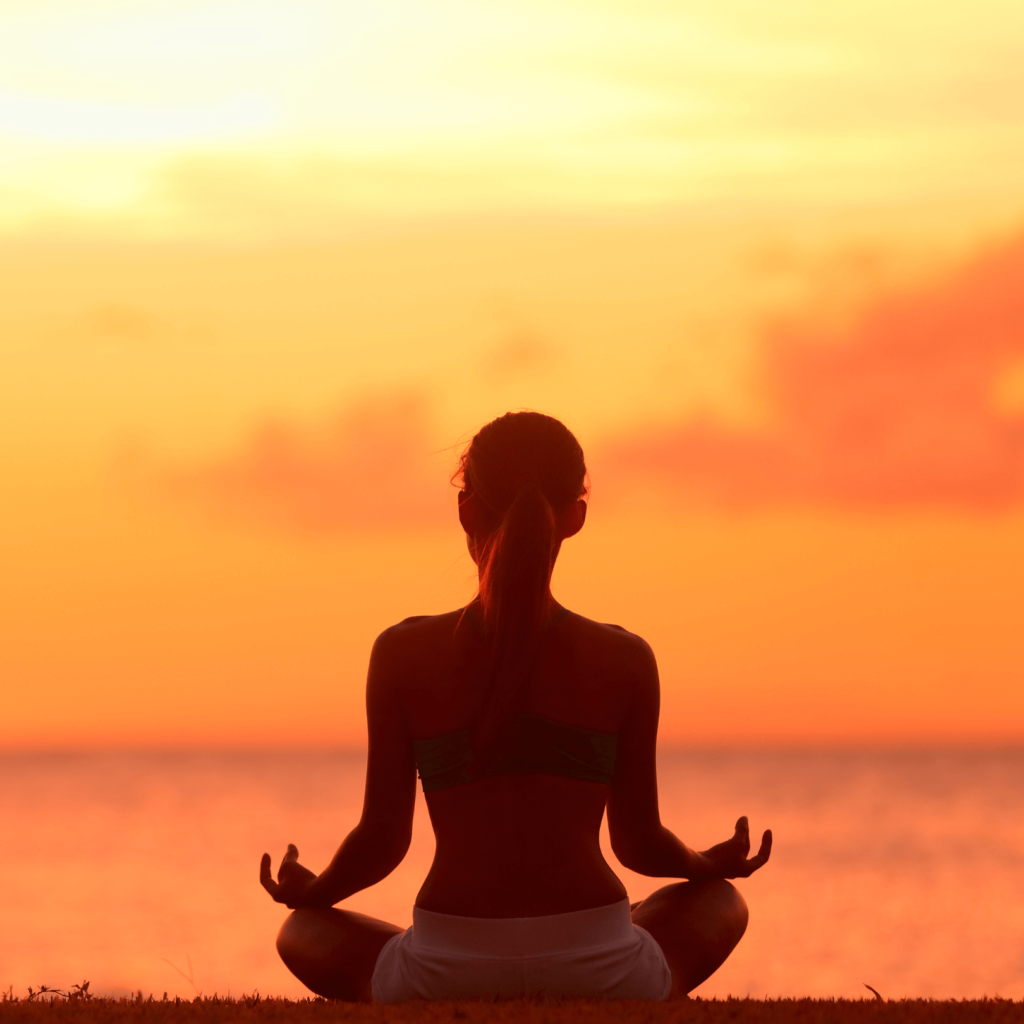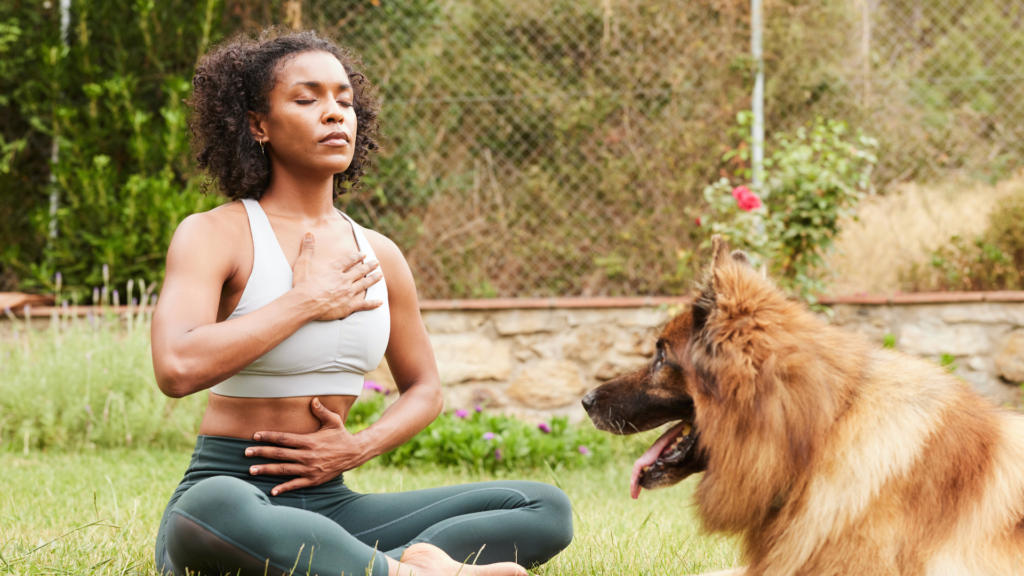

Movement plays a crucial role in enhancing well-being and can be a powerful component of healing. Whether through dance, yoga, or simple forms of exercise, physical movement helps to release endorphins, reduces stress, and promotes emotional balance. The act of moving one’s body can facilitate a connection between mind and spirit, paving the way for a holistic healing experience.
Many individuals have turned to movement as a means to cope with trauma or emotional distress. The rhythm and flow of physical activity allow for the expression of feelings that may be difficult to articulate. By engaging in movement, one can unlock stored emotions, leading to a sense of liberation and clarity.
Incorporating movement into daily routines can create a positive shift in mental health. From improving mood to enhancing focus, the benefits are tangible and can lead to a more fulfilling life. Embracing movement as a healing practice not only nurtures the body but also fosters a deeper understanding of oneself.
The Foundations Of Healing Through Movement
Movement serves as a powerful mechanism for healing, impacting both physical and mental health. Through various forms of activity, individuals can experience significant improvements in their overall well-being.
The Science Behind Movement And Recovery
Research shows that physical activity enhances recovery mechanisms within the body. Exercise promotes blood flow, which facilitates the delivery of oxygen and nutrients to tissues, accelerating healing processes.
Hormones such as endorphins and serotonin are released during movement, contributing to pain relief and mood improvement. Studies indicate that consistent activity can decrease inflammation and enhance immune function, further supporting recovery.
Moreover, engaging in movement stimulates the production of neurotrophic factors. These proteins encourage the growth of neurons, playing a critical role in brain health and cognitive recovery.
Physical And Mental Benefits Of Movement
The benefits of movement extend beyond physical improvements. Regular exercise enhances cardiovascular health, increases flexibility, and builds strength. These physical benefits contribute to an individual’s ability to perform daily activities with ease.
Mentally, movement has profound effects on mood and cognitive function. Physical activity has been linked to reduced symptoms of anxiety and depression. Engaging in movement releases neurotransmitters that improve focus and clarity, enhancing mental well-being.
A study found that even short bursts of movement can significantly elevate mood levels. As a result, incorporating regular physical activity into daily routines can provide sustained mental and emotional benefits.
The Connection Between Movement And Emotional Well-Being
Movement plays a vital role in emotional health by promoting self-regulation and resilience. Engaging in physical activities can serve as an outlet for stress, allowing individuals to process emotions effectively.
Activities like yoga and dance incorporate mindfulness, which enhances emotional awareness. This connection between mind and body fosters a greater understanding of personal feelings and reactions.
Furthermore, social aspects of movement, such as group classes or team sports, can strengthen relationships and community bonds. This social engagement is essential for emotional support and well-being, reinforcing the healing power of movement in various aspects of life.
Movement Modalities And Their Therapeutic Roles
Movement can significantly impact both physical and mental health. Various modalities provide unique benefits, enabling individuals to harness movement for healing and improvement in well-being.
Yoga For Healing And Balance
Yoga combines physical postures, breathing techniques, and meditation to enhance overall well-being. Practitioners often experience improved posture, flexibility, and strength.
Specific styles like Hatha focus on aligning the body, while Vinyasa emphasizes fluid transitions. This practice not only promotes physical health but also reduces stress and anxiety.
Research shows that regular yoga sessions can enhance emotional balance. Participants frequently report increased mindfulness and a stronger connection between body and mind, reinforcing its healing benefits.
Dance Therapy And Self-Expression
Dance therapy leverages movement and creativity to promote emotional healing. It allows individuals to express feelings that may be difficult to articulate through words.
By utilizing rhythmic movements, participants can process trauma and enhance self-awareness. Techniques vary, incorporating improvisation, structured dance, and specific choreography to facilitate expression.
Dance encourages social interaction, which can alleviate feelings of isolation. Participants often find joy and freedom in movement, fostering a sense of community and support.
Movement Therapy Practices
Movement therapy encompasses varied approaches designed to enhance psychological and emotional well-being through structured movement. These practices often incorporate elements of dance, body awareness, and creative expression.
Therapists guide clients in exploring movement as a means of communication. This exploration can lead to improved emotional regulation and a deeper understanding of personal experiences.
Gaining awareness of bodily sensations and movements may help individuals reconnect with their physical selves. Enhanced body awareness can also aid in processing emotions and increasing resilience.
Walking, Cycling, And Everyday Activities
Simple activities such as walking and cycling significantly contribute to physical health and mental well-being. These forms of movement promote cardiovascular fitness and mobility.
Walking offers a low-impact way to engage in physical activity. It can be seamlessly integrated into daily routines and is accessible to most people.
Cycling not only strengthens leg muscles but also improves coordination and balance. Both activities can serve as meditative practices, allowing individuals to clear their minds and focus on the present moment.
Engaging in these everyday movements provides a sense of routine while fostering a lifestyle geared toward health.
Movement As Healing For Trauma And Self-Discovery
Engaging in movement practices can facilitate healing from trauma while fostering self-discovery and improved self-esteem. By integrating physical activity with mindfulness, individuals can effectively navigate emotional challenges and build resilience.
Addressing Trauma Through Somatic Practices
Somatic practices, such as dance, yoga, or tai chi, focus on the connection between the body and mind. These practices encourage individuals to listen to their bodies and express unprocessed emotions stored within.
Movement can release pent-up energy, allowing trauma to surface in a safe environment. Research indicates that these techniques help regulate the autonomic nervous system, promoting a sense of safety and enabling emotional release.
Participants often report a reduction in symptoms of anxiety and depression as they reclaim their bodily sensations. This integration of movement in trauma recovery emphasizes the importance of physical awareness as a pathway to healing.
Building Self-Esteem And Confidence
Movement promotes self-esteem and confidence by encouraging individuals to set and achieve personal goals. Engaging in physical activities can lead to noticeable improvements in strength, coordination, and body awareness.
Group classes or team sports provide social interaction, fostering connection and support. Success in these activities can contribute to a more positive self-image, enhancing feelings of worthiness.
Moreover, as individuals explore their physical capabilities, they often discover new aspects of themselves. This self-discovery can instill a sense of empowerment, reinforcing the belief that they can overcome challenges both in movement and life.
Mindfulness And Emotional Regulation
Incorporating mindfulness into movement practices serves as a powerful tool for emotional regulation. Mindful movement encourages individuals to remain present, enhancing their ability to recognize and manage emotions.
Focusing on breath and body sensations during movements can help ground individuals and mitigate feelings of anxiety. Regular practice can enhance the release of endorphins, promoting positive emotional states.
This connection between body awareness and emotional regulation can assist individuals in processing difficult feelings. Mindfulness within movement fosters a supportive environment where individuals can learn to navigate their emotional landscape with greater ease.
Building Strength And Rehabilitation Through Movement
Movement plays a critical role in building strength and facilitating rehabilitation. Effective rehabilitation not only focuses on physical recovery but also enhances overall mobility, coordination, and functional abilities.
Physical Strength And Injury Recovery
Enhanced physical strength is essential for recovering from injuries. Targeted exercises help rebuild muscle strength, improve joint stability, and restore function.
Key methods include:
- Resistance Training: Utilizes weights or resistance bands to strengthen muscles.
- Bodyweight Exercises: These provide a convenient option for all fitness levels, utilizing one’s own weight.
- Aerobic Conditioning: Improves blood flow and promotes healing by increasing oxygen supply to injured tissues.
These approaches help individuals regain strength and confidence in their movements, facilitating a smoother recovery process.
Rehabilitation Approaches And Functional Mobility
Rehabilitation focuses on strategies that promote functional mobility. Tailored programs emphasize specific exercises that address an individual’s needs.
Common rehabilitation approaches include:
- Physical Therapy: A structured program designed by a licensed therapist to target muscle groups and mobility issues.
- Occupational Therapy: Enhances daily functioning through focused activities.
- Aquatic Therapy: Utilizes water resistance to provide low-impact alternatives for strength building.
By incorporating these strategies, individuals can regain independence in their daily movements and activities.
Coordination And Posture Improvement
Improving coordination and posture is crucial for rehabilitation success. Maintaining proper posture supports alignment and prevents further injury.
Effective techniques for coordination include:
- Balance Exercises: Activities like standing on one leg or using balance boards enhance proprioception.
- Core Stability Workouts: Strengthening core muscles improves overall stability and posture.
- Dynamic Movements: Exercises that combine different movements enhance motor control and coordination.
These methods not only foster recovery but also contribute to long-term physical health and well-being.