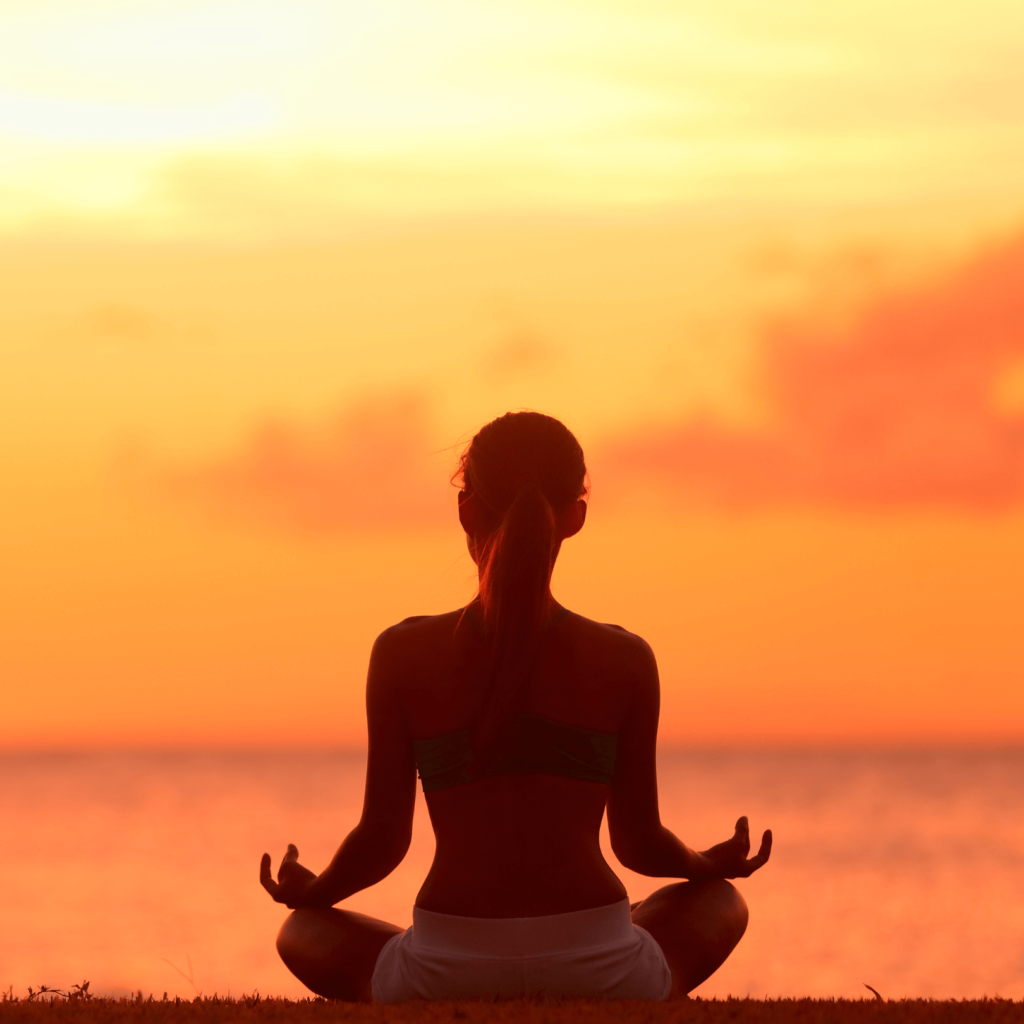

Breathing exercises can be a simple yet effective way to enhance overall well-being. These techniques can reduce stress, improve mental clarity, and promote relaxation. By incorporating breathing exercises into a daily routine, individuals may find it easier to manage anxiety and improve emotional resilience.
Many people underestimate the power of proper breathing. Engaging in focused breathing practice can help regulate the body’s stress response, leading to a calmer mind and a more balanced emotional state. As more individuals recognize the benefits, breathing exercises are becoming a popular tool for self-care and mental health.
Exploring various methods of breathing can open doors to improved physical and mental health. From deep belly breathing to alternate nostril techniques, there’s a wealth of options available to suit different preferences. Embracing these practices can empower individuals to take charge of their well-being and cultivate a healthier lifestyle.
The Science of Breathing
Breathing is a complex physiological process essential for life. It involves various systems within the body, including the respiratory and nervous systems, which work together to ensure efficient oxygen delivery and maintenance of lung health.
Understanding the Respiratory System
The respiratory system consists of several key components: the nose, throat, trachea, bronchi, and lungs. When a person breathes in, air travels through these structures, allowing oxygen to enter the lungs. The diaphragm, a dome-shaped muscle, plays a critical role in inhalation. As it contracts, it increases lung capacity by expanding the thoracic cavity.
Lung function is primarily measured by how well the lungs can exchange gases. The alveoli, tiny air sacs in the lungs, facilitate oxygen transfer into the bloodstream while removing carbon dioxide. Healthy lung capacity supports overall respiratory efficiency and plays a vital part in physical performance.
Benefits of Deep Breathing on the Body
Deep breathing exercises enhance oxygen levels in the bloodstream, which is crucial for cellular function. Improved oxygen delivery supports physical endurance and cognitive performance. Practicing deep breathing can also strengthen the diaphragm, increasing lung capacity over time.
Additionally, deep breathing activates the parasympathetic nervous system. This system promotes relaxation and mitigates stress, positively impacting cardiovascular function. Better oxygenation can result in lower heart rates and improved blood pressure, contributing to overall health.
Factors Affecting Healthy Respiration
Several factors can significantly impact healthy respiration, affecting overall well-being and lung function. Smoking is a primary concern, as it damages lung tissue and reduces respiratory capacity over time. Exposure to environmental pollutants, such as smog and industrial emissions, can also irritate the respiratory system and exacerbate conditions like asthma.
Indoor air quality can be another factor that can affect respiratory health. Mold, in particular, can be present in humid environments and release spores that can trigger allergic reactions and respiratory issues. In such conditions, consulting with professionals for Mold Remediation in Baltimore, MD, or a place nearby, can be beneficial in reducing the risks and creating a healthy living environment. Moreover, regular maintenance of ventilation systems and avoiding exposure to harsh chemicals can also support respiratory health.
The Role of the Autonomic Nervous System
The autonomic nervous system consists of the sympathetic and parasympathetic nervous systems, which regulate involuntary bodily functions. The sympathetic nervous system prepares the body for action, increasing heart rate and blood flow during stress. In contrast, the parasympathetic nervous system promotes calmness and recovery.
Breathing exercises primarily stimulate the parasympathetic nervous system. Engaging in slow, deep breaths encourages physiologic relaxation, reducing cortisol levels and heart rate. This balance supports overall well-being and aids in stress management, thereby optimizing body function.
Breathing Techniques and Exercises
Breathing techniques play a crucial role in enhancing physical and mental well-being. Various methods can promote relaxation, increase lung capacity, and reduce stress levels.
Diaphragmatic Breathing
Diaphragmatic breathing, often referred to as belly breathing, engages the diaphragm fully, allowing for deeper breaths. This technique can increase oxygen intake and improve overall energy levels.
To practice, one should:
- Sit or lie in a comfortable position.
- Place one hand on the chest and the other on the belly.
- Inhale deeply through the nose, focusing on expanding the belly rather than the chest.
- Exhale slowly through the mouth.
Regular practice helps strengthen the diaphragm, reduces tension, and promotes relaxation.
Pursed Lip and 4-7-8 Breathing
Pursed lip breathing is a technique that prolongs the breathing cycle, promoting better oxygen exchange. To perform this technique, individuals inhale through the nose and exhale slowly through pursed lips, as if blowing out a candle.
The 4-7-8 breathing method combines this with a rhythmic pattern:
- Inhale through the nose for a count of 4.
- Hold your breath for a count of 7.
- Exhale through the mouth for a count of 8.
This exercise helps calm the nervous system and reduces anxiety by focusing attention on breathing patterns.
Pranayama and Other Mindfulness-Based Practices
Pranayama refers to a series of breathing techniques originating from yoga. These practices emphasize breath control and mindfulness, enhancing mental clarity and emotional stability.
Techniques like equal breathing (sama vritti) and humming bee breath can foster a sense of calm. For equal breathing, participants inhale and exhale for the same duration, achieving a balanced state.
Another technique, tactical breathing, aids in emotional regulation and stress management. Individuals can practice paced breathing or straw breathing, where they imagine inhaling through a straw to slow down their breath.
Incorporating these exercises into daily routines encourages mindfulness, reduces stress, and promotes a healthier lifestyle.
Breathing Exercises for Health Conditions
Breathing exercises play a crucial role in managing various health conditions, particularly those affecting the lungs. They can enhance lung function, reduce symptoms, and improve the quality of life for individuals with specific respiratory issues. The following subsections highlight how targeted breathing techniques can aid in the management of asthma, COPD, and other chronic lung diseases.
Asthma Management and Breathing Retraining
Asthma can cause difficulty breathing, shortness of breath, and wheezing. Breathing retraining techniques can help individuals manage these symptoms effectively. Methods such as diaphragmatic breathing and pursed-lip breathing promote relaxation and improve air exchange.
Diaphragmatic Breathing involves breathing deeply through the nose, allowing the diaphragm to expand fully. This technique encourages more efficient use of lung capacity. Pursed-lip breathing is performed by inhaling through the nose and exhaling slowly through pursed lips. This helps maintain open airways and reduces shortness of breath during asthma attacks.
Regular practice of these techniques can help individuals reduce reliance on medication, improve lung function, and enhance overall respiratory health. While breathing retraining is important for symptom control, some patients with persistent airway obstruction or difficulty using handheld inhalers may benefit from device-based delivery. Nebulizers can deliver medication over a longer period and are often easier to use during exacerbations or for those with limited inspiratory flow. For practical information on sourcing appropriate equipment and suppliers, search for “where can i buy a nebulizer machine” and review options with your healthcare provider. Used along with structured breathwork and medical oversight, the right device can improve medication delivery and support better day-to-day management.
Chronic Obstructive Pulmonary Disease (COPD) Support
For those living with Chronic Obstructive Pulmonary Disease (COPD), incorporating breathing exercises into daily routines can significantly improve their well-being. COPD includes conditions such as emphysema and chronic bronchitis, which lead to obstructed airflow and breathing difficulties.
Breathing techniques like the “huff cough” and diaphragmatic breathing can be especially beneficial. The huff cough helps clear mucus from the lungs by forcing air out in a controlled manner. Diaphragmatic breathing, as previously mentioned, promotes effective ventilation.
Engaging in these exercises as part of pulmonary rehabilitation can help manage symptoms, enhance physical endurance, and improve the ability to perform daily activities with less fatigue.
Techniques for Acute and Chronic Lung Conditions
Individuals with both acute and chronic lung conditions can benefit from structured breathing exercises. Techniques such as box breathing can help manage hyperventilation and anxiety. This method involves inhaling for four counts, holding for four counts, exhaling for four counts, and again holding for four counts.
Moreover, using visualizations during breathing exercises can enhance efficacy. For example, imagining airflow entering and exiting the lungs can promote relaxation and focus during practice.
Using these techniques regularly can lead to improved lung capacity, reduced episodes of hyperventilation, and greater control over respiratory distress in both acute and chronic situations.
Incorporating Breathing Exercises into Daily Life
Breathing exercises can be seamlessly integrated into daily routines. By establishing a consistent practice, individuals can enhance their lung health, manage stress, and improve overall well-being.
Creating a Daily Breathing Routine
A structured breathing routine can significantly enhance lung capacity and general health. It is essential to set aside a specific time each day for breathwork. This could be in the morning to start the day with focus or in the evening to unwind.
Creating a comfortable environment is also crucial. Choose a quiet space free from distractions. Engaging in exercises like diaphragmatic breathing or box breathing for 5-10 minutes daily can create lasting benefits. Tracking progress in a journal may encourage continued practice and accountability.
Integrating Breathwork with Physical Activity
Combining breathwork with physical activity can amplify its effects. This concept can be useful to learn for those who want to become a breathwork practitioner from websites like breathbodytherapy.com, or similar sites. This can teach the proper way to integrate breathwork with different forms of exercise, while also equipping them with the right skills to teach others to do so.
During exercises like yoga, running, or even walking, focusing on breathing can help manage high blood pressure and maintain energy levels. Inhaling through the nose and exhaling through the mouth, particularly during exertion, enhances oxygen intake and improves endurance. For example, while running, one might synchronize breaths with footsteps. This approach not only increases lung capacity but also helps in expelling stale air from the lungs.
Breathing Techniques for Stress and Mental Health
Breathing techniques can play a vital role in managing stress and supporting mental health. Techniques such as the 4-7-8 method or alternate nostril breathing can help calm the mind and promote relaxation.
Practicing these techniques for even a few minutes can reduce anxiety and improve concentration. Focused breathwork helps in reducing cortisol levels, which can contribute to stress relief. Incorporating such practices during stressful situations can foster resilience and mental clarity.