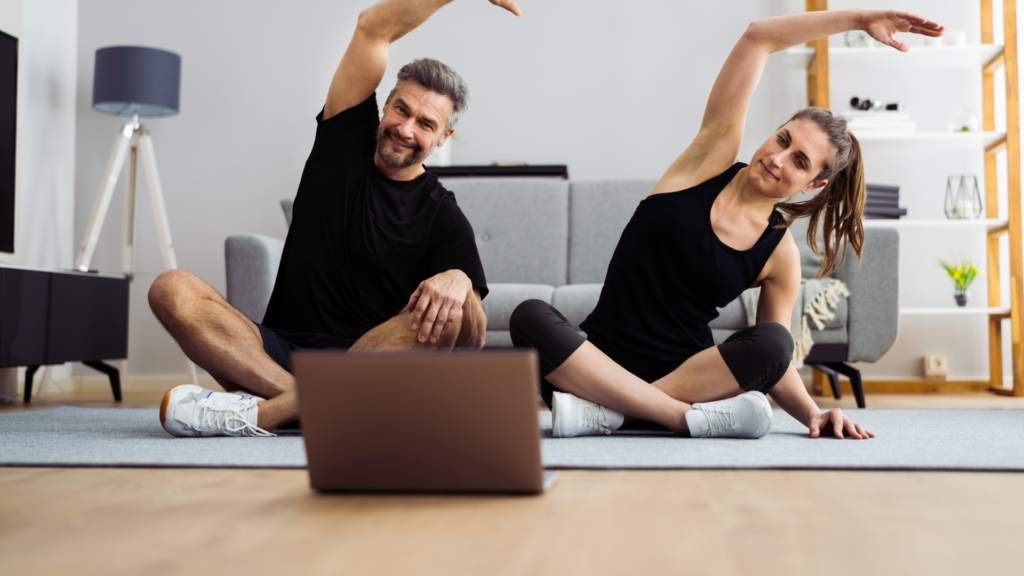
Staying fit at home offers flexibility and accessibility that traditional gym settings may lack. Incorporating effective at-home workouts can lead to significant fitness improvements without the need for expensive equipment or memberships. With smart planning and motivation, anyone can create a rewarding fitness routine right in their living room.
Utilizing bodyweight exercises, yoga, and even dance workouts can provide a comprehensive fitness regimen. Embracing routines that fit individual preferences can make the process enjoyable and sustainable. Engaging with online resources or fitness apps can also enhance motivation and help track progress effectively.
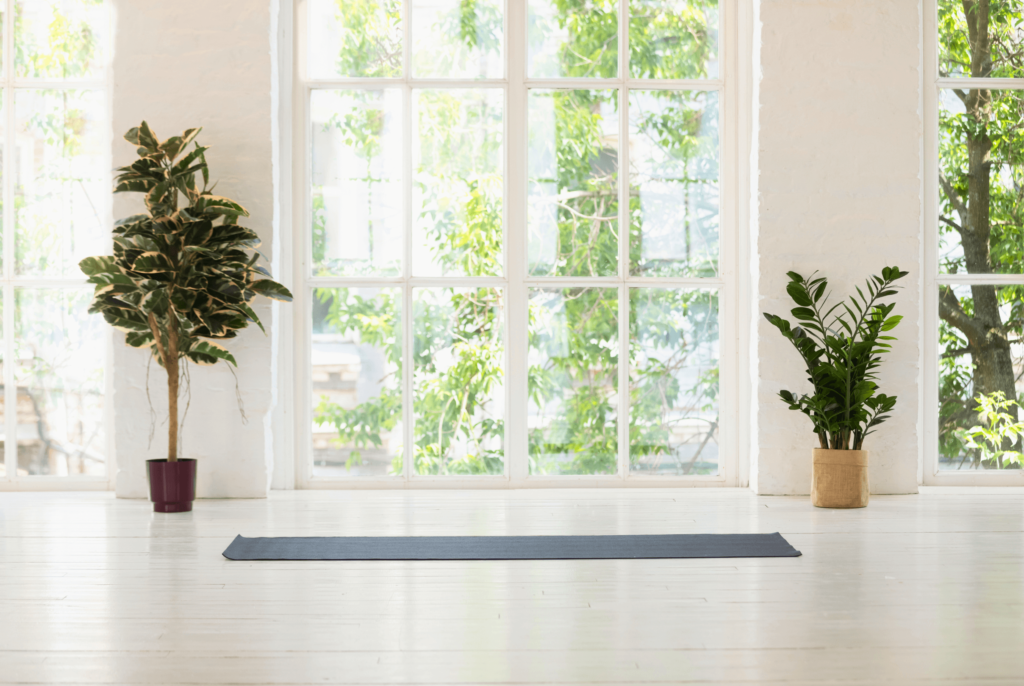
Creating a dedicated workout space at home can further elevate the experience. It fosters a focused environment, free from distractions. By committing to regular exercise and incorporating a variety of workouts, achieving fitness goals becomes an attainable reality.
Establishing a Home Workout Routine
Creating an effective home workout routine involves a structured approach to fitness that addresses schedule consistency and program balance. It is crucial to form habits that not only incorporate strength training, cardio, and flexibility exercises but also align with specific fitness goals.
Creating a Fitness Schedule
A well-structured fitness schedule helps maintain consistency. Individuals should pick specific days and times to work out. For example:
- Monday: Strength training
- Wednesday: Cardio
- Friday: Flexibility and recovery
Setting reminders can aid in staying on track. It’s essential to choose lengths that can fit seamlessly into daily life, such as 30-60 minute sessions. Incorporating rest days is important to prevent burnout and injuries. Typically, a good routine includes at least one or two rest days per week, allowing muscles to recover and grow stronger.
Designing a Balanced Program
A balanced program incorporates a mix of strength training, cardio, and flexibility exercises. Here is a basic guideline:
- Strength Training (2-3 times a week): Bodyweight exercises like push-ups or squats.
- Cardio (2-3 times a week): Activities such as jogging in place or using jump ropes.
- Flexibility (daily): Stretching routines to improve flexibility and reduce muscle soreness.
Setting clear fitness goals, like increasing strength or endurance, helps to keep motivation high. Tracking progress through a journal or fitness app can support commitment to the routine. Adapting the program as fitness levels improve ensures continued growth and keeps workouts engaging.
Essential Home Workout Exercises
A variety of workout types can be performed at home, focusing on bodyweight movements, strength building, and cardiovascular fitness. Each category offers specific exercises that can easily fit into a daily routine.
Bodyweight Workouts
Bodyweight exercises utilize an individual’s weight as resistance. These workouts require no equipment and are effective for building strength and endurance. Key exercises include:
- Squats: Target the legs and glutes. Maintain proper form by keeping the back straight and lowering until the thighs are parallel to the floor.
- Push-ups: Engage the chest, shoulders, and triceps. Variations can include knee push-ups or incline push-ups for different skill levels.
- Lunges: Strengthen the legs and improve balance. Step forward and lower the body until both knees are at a 90-degree angle.
- Planks: Effective for core stability. Hold a plank position with elbows under the shoulders to engage the abdominal muscles.
These exercises can be performed in sets to gradually increase strength and endurance.
Strength Exercises
Strength training at home can be accomplished with minimal or no equipment by using resistance bands or household items like water bottles. Important exercises include:
- Goblet Squats: Use a heavy object as resistance by holding it close to the chest. This variation adds intensity to the traditional squat.
- Dumbbell Shoulder Press: If dumbbells are available, this exercise targets shoulder muscles and can be executed seated or standing.
- Resistance Band Rows: Secure the band to a sturdy object and perform rowing motions to strengthen the back and arms.
For those looking to go beyond bodyweight and basic items, investing in a dedicated setup can improve the routine. Using tools, such as the Strength training equipment by Southside Fitness, or similar sites, can help perform more complex, full body movements, and progressively increase routine. Including a mix of these strength exercises can help build muscle and support functional daily activities while improving overall fitness.
Cardiovascular Exercises
Cardiovascular workouts elevate heart rate and improve cardiovascular health. Options for at-home cardio include:
- High-Intensity Interval Training (HIIT): Short bursts of intense exercises (like jumping jacks or burpees) followed by rest periods enhance stamina and burn calories.
- Circuit Training: Combines strength and cardio exercises in a sequence with little rest. Example circuits might mix squats, push-ups, and high knees.
Incorporating these cardiovascular methods ensures a balanced fitness routine that enhances endurance and overall well-being.
Optimizing Your Home Space for Fitness
Creating an effective home fitness environment requires thoughtful equipment selection and attention to proper form. Focusing on these areas can enhance workout effectiveness and safety.
Choosing the Right Equipment
Selecting appropriate fitness equipment is crucial for a home gym. Dumbbells are versatile, allowing for a variety of strength training exercises. Kettlebells can be used for dynamic movements that improve strength and endurance.
Another excellent addition is a chest press machine, as it provides a guided, safe way to build upper-body strength and target the chest, shoulders, and triceps effectively. To start off, one can Visit ChestPressMachine.com or other trusted fitness equipment sources and explore different models, compare features, and choose the best fit for their home gym. Meanwhile, for variety and functional training, a rowing machine can complement these tools, offering full-body cardio and strength benefits while engaging both upper and lower muscles.
Resistance bands are excellent for their portability and can be adapted for many exercises, making them perfect for various fitness levels. A yoga mat is essential for floor exercises, stretching, and stability workouts.
You’ve also got to make sure you have the right equipment to ensure your workout is safe. Whether you’re lifting weights, running, or engaging in contact sports, proper gear provides support and protection. For example, wearing boxing gloves is essential for anyone practicing boxing, as they help cushion the impact, protect the hands and wrists, and reduce the risk of injury. Similarly, using knee supports for weightlifting can enhance performance while minimizing strain. Investing in the right equipment ensures a safer and more effective workout experience.
When designing a home gym, consider available space and how often equipment will be used to maximize the workout experience.
Maintaining Proper Form at Home
Proper form is vital for preventing injuries during workouts. Without a trainer’s immediate guidance, individuals must pay close attention to their body positioning.
Using mirrors can help maintain awareness of posture and alignment. Online video resources can demonstrate correct techniques, especially when trying new exercises.
Exercises like squats or lunges should be performed with careful alignment of knees over toes to avoid strain. Regular checks on body mechanics during workouts can significantly enhance safety and effectiveness, ensuring that home fitness efforts yield positive results.
Nutrition and Wellness for Enhanced Fitness
Nutrition and wellness play crucial roles in improving fitness. Proper eating habits and self-care strategies can significantly enhance exercise performance and recovery.
Recovery and Self-Care
Recovery is just as important as the workout itself. Adequate rest helps prevent injuries and supports muscle growth. Techniques include:
- Sleep: Aim for 7-9 hours per night to allow the body to repair and recover.
- Stretching: Incorporate dynamic stretching before workouts and static stretching afterward to enhance flexibility.
- Foam Rolling: This can reduce muscle soreness and improve circulation.
Other wellness practices include mindfulness, which can reduce stress and improve focus. Incorporating relaxation techniques such as meditation or deep breathing contributes to overall mental health. Consulting with a certified personal trainer can provide personalized guidance to optimize both nutrition and recovery strategies for fitness goals.
Eating for Exercise
A well-balanced diet supports physical activity. Key nutrients include:
- Carbohydrates: Provide energy for workouts, found in whole grains, fruits, and vegetables.
- Proteins: Essential for muscle repair and growth, sources include lean meats, eggs, and legumes.
- Fats: Important for hormone production and cell health, healthy fats are found in avocados, nuts, and olive oil.
Hydration is equally critical. Water helps regulate body temperature and lubricate joints. Athletes should aim to drink water before, during, and after workouts to maintain optimal performance. Eating timing also influences results; having a meal or snack rich in carbs and protein before and after exercise maximizes energy levels and recovery.