
Author: Lavender

  • The Benefits of Deep Breathing for Emotional Balance: A Path to Stability and Calm

    The Benefits of Deep Breathing for Emotional Balance: A Path to Stability and Calm

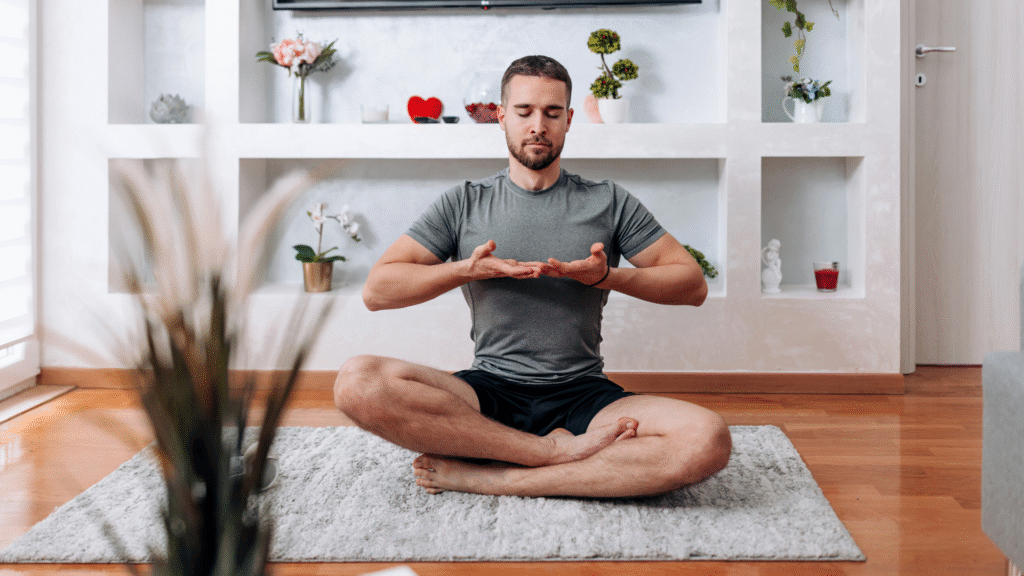
    Deep breathing is a simple yet powerful technique that can significantly enhance emotional balance. By actively engaging in deep breathing exercises, individuals can manage stress, reduce anxiety, and promote overall emotional well-being. This practice allows for a greater connection between the mind and body, leading to a state of calm and clarity.

    Many people overlook the benefits of focusing on their breath, thinking it is too basic to make a substantial difference. However, research indicates that even a few minutes of intentional deep breathing can trigger physiological changes that help stabilize emotions. As stress levels decrease, the body can transition into a more relaxed state, making it easier to cope with daily challenges.

    Incorporating deep breathing into a daily routine is not only accessible but also beneficial for anyone seeking to improve their emotional health. Simple techniques can be learned quickly, making this practice a valuable tool for fostering resilience and maintaining emotional equilibrium.

    Understanding Deep Breathing and Its Connection to Emotional Balance

    Deep breathing serves as a powerful tool for enhancing emotional balance. By exploring its definitions, scientific underpinnings, and various techniques, individuals can better appreciate how breathing patterns influence emotional states.

    What Is Deep Breathing?

    Deep breathing involves taking slow, intentional breaths that engage the diaphragm. This technique contrasts with shallow breathing, which often occurs during stress. Diaphragmatic breathing, often referred to as “belly breathing,” allows air to fill the lungs fully, promoting relaxation.

    The act of taking deep breaths can lead to improved oxygen flow, helping to calm the nervous system. Many people utilize deep breathing as a way to center themselves and create a sense of clarity amidst emotional turmoil.

    The Science Behind the Mind-Body Connection

    The connection between breathing and emotional state is rooted in the autonomic nervous system. This system regulates involuntary functions such as heartbeat and digestion, and it has two branches: the sympathetic and parasympathetic systems.

    Deep breathing activates the parasympathetic nervous system, known for its calming effects. Research has shown that rhythmic breathing can reduce stress and anxiety levels, facilitating emotional balance. This physiological response aids in lowering heart rates and blood pressure, creating a more tranquil mental state.

    Types of Breathing Techniques for Emotional Well-Being

    Various breathing techniques can enhance emotional well-being.

    • Diaphragmatic Breathing: Encourages full engagement of the diaphragm, promoting relaxation.
    • Nadi Shodhana: A yogic practice involving alternate nostril breathing, which balances energy and enhances focus.
    • Rhythmic Breathing: Involves maintaining a steady pace, which can help establish a calm, centered mindset.

    Utilizing these techniques regularly may aid individuals in coping with negative emotions. Deep, intentional breaths act as a life force, making it easier to navigate emotional ups and downs while promoting overall well-being.

    Key Benefits of Deep Breathing for Emotional Balance

    Deep breathing serves as a practical tool for emotional regulation. It offers significant benefits, such as stress reduction, enhanced mental clarity, and improved sleep quality. These factors contribute to overall well-being and emotional resilience.

    Reducing Stress and Promoting Relaxation

    Deep breathing techniques activate the body’s relaxation response. When a person engages in deep breathing, it can lower cortisol levels, which are often elevated during stressful situations. This process calms the mind and promotes a sense of peace.

    Practicing deep breathing for just a few minutes can lead to immediate stress relief. By focusing on inhaling and exhaling slowly, a person can ground themselves in the present moment. This helps to dissipate feelings of anxiety, contributing to a more relaxed state.

    Enhancing Mental Clarity and Focus

    Deep breathing improves oxygen supply to the brain, which enhances cognitive function. As oxygen levels increase, mental clarity and focus improve. This heightened awareness allows individuals to tackle tasks more effectively.

    In moments of distraction or overwhelm, deep breathing serves as a reset button. By taking deep breaths, a person can clear their mind and sharpen concentration. This practice can be especially beneficial in high-pressure environments, where focus is essential.

    Building Emotional Resilience

    Engaging in regular deep breathing can strengthen emotional resilience. As individuals practice these techniques, they learn to manage their emotional responses more effectively. This skill helps them bounce back from challenges with greater ease.

    Deep breathing encourages the release of endorphins, which improve mood and emotional well-being. By fostering a positive emotional state, individuals are better equipped to handle life’s ups and downs. This builds a more resilient mindset over time.

    Improving Sleep and Managing Insomnia

    Quality sleep is vital for emotional balance. Deep breathing techniques can significantly enhance sleep quality by promoting relaxation and reducing racing thoughts. This practice prepares the mind for restful sleep.

    For those struggling with insomnia, deep breathing can be a beneficial nightly ritual. It helps signal to the body that it’s time to wind down, creating a calming effect. Regular use of deep breathing may lead to improved sleep patterns and overall better energy levels throughout the day.

    Popular Deep Breathing Practices and How to Integrate Them

    Deep breathing practices can significantly contribute to emotional balance and stress management. By incorporating these techniques into daily routines, individuals can enhance body awareness, mindfulness, and relaxation.

    Breathing Exercises for Everyday Life

    Simple breathing exercises can be integrated into daily routines to promote relaxation. For instance, the 4-7-8 technique involves inhaling through the nose for four seconds, holding the breath for seven seconds, and exhaling through the mouth for eight seconds. This practice helps regulate the nervous system and reduce anxiety.

    Another effective exercise is diaphragmatic breathing. Individuals can place one hand on their chest and the other on their abdomen. As they inhale deeply, the abdomen should rise while the chest remains still. This technique encourages deeper breaths and engages the diaphragm.

    Mindfulness and Meditation Approaches

    Mindfulness practices incorporate deep breathing to enhance emotional awareness. Mindfulness meditation often begins with focusing on the breath. Participants observe their breathing patterns without judgment, promoting a state of relaxation.

    A popular method is the body scan, where individuals consciously breathe into different body parts. This technique aids in identifying tensions and promotes relaxation. Visualization can also be combined with deep breathing, where individuals imagine inhaling positive energy and exhaling negativity.

    Yoga and Pranayama for Emotional Health

    Yoga incorporates various breathing techniques known as pranayama. These practices are designed to enhance physical and emotional well-being. For instance, Nadi Shodhana, or alternate nostril breathing, balances the left and right hemispheres of the brain, promoting calmness.

    Ujjayi breath is another common pranayama technique, often used in yoga. It involves inhaling and exhaling through the nose while slightly constricting the throat. This practice enhances concentration and fosters emotional resilience.

    Breathwork Practices in Daily Routines

    Breathwork practices can be seamlessly included in daily activities. For instance, during stressful moments, individuals can take a five-minute break to focus solely on their breath. This practice not only reduces stress but also centers attention.

    Incorporating aromatherapy can enhance breathwork efficacy. Using essential oils like lavender or chamomile during breathing exercises creates a calming atmosphere. Creating a dedicated space for breathwork can further enhance the experience, ensuring a consistent practice that promotes emotional balance.

    The Broader Impact of Deep Breathing on Overall Well-Being

    Deep breathing can significantly enhance both emotional and physical health. It serves as a powerful tool for promoting vitality, improving concentration, and fostering self-awareness.

    Physical Health Benefits Beyond Emotional Balance

    Deep breathing increases oxygen flow throughout the body, promoting vital organ function. This enhanced oxygenation can lead to lower blood pressure and improved circulation, which benefits heart health.

    Individuals with asthma may find that controlled breathing alleviates their symptoms, providing extra support in managing their condition effectively. The practice also activates the parasympathetic nervous system, which helps to counteract the stress response. Regular engagement in deep breathing can thus contribute to overall physical healing.

    Enhancing Concentration, Memory, and Performance

    Engaging in deep breathing techniques can bolster cognitive function significantly. Increased oxygen delivery to the brain fosters clarity of thought and enhances concentration.

    As a result, individuals may experience improvements in memory retention and mental performance. This is particularly beneficial in high-pressure situations that require focus and quick decision-making. Deep breathing also reduces anxiety, which can cloud judgment and hinder performance. A calm mind promotes optimal conditions for creativity and productivity.

    Ancient Wisdom and Modern Healing Perspectives

    Many ancient practices, such as yoga and meditation, incorporate deep breathing as a fundamental element. These traditions recognized the profound effects of breath on mental and physical health long before modern science validated their findings.

    Contemporary healing practices increasingly integrate these techniques, recognizing deep breathing as essential for emotional balance and physical well-being. It is viewed as a bridge between ancient wisdom and modern understanding. This connection underlines the timeless nature of breathing exercises; they serve as a method for achieving harmony in one’s life.

    Cultivating Gratitude and Self-Awareness

    Deep breathing encourages self-awareness, allowing individuals to reflect on their thoughts and feelings without judgment. This mindful practice can foster a sense of gratitude as one becomes more attuned to their mental state and surroundings.

    When practiced regularly, deep breathing aids in recognizing emotional triggers, enabling individuals to respond rather than react. This cultivated awareness paves the way for healthier coping mechanisms. By emphasizing gratitude in the moment, deep breathing can enrich one’s perspective on life, leading to more positive emotional experiences.


  • The Benefits of Slow Living in a Fast-Paced World: Embracing Mindfulness and Balance

    The Benefits of Slow Living in a Fast-Paced World: Embracing Mindfulness and Balance

    In a world where the pace of life seems relentless, many individuals are discovering the transformative practice of slow living. This approach encourages a deliberate and mindful way of life, promoting mental clarity and emotional well-being. Embracing slow living can lead to increased happiness and reduced stress, allowing individuals to reconnect with what truly matters in their lives.

    Adopting a slower lifestyle can create opportunities for deeper relationships, both with oneself and others. By prioritizing quality over quantity, people can enjoy moments that enrich their lives, fostering a sense of gratitude and presence. As they navigate through everyday challenges, the benefits of slow living become evident as they experience increased leisure and creative fulfillment.

    In a fast-paced world that often glorifies busyness, slow living serves as a powerful counterbalance. It invites individuals to rethink their priorities, embracing simplicity and intentionality. The journey towards a slower pace opens doors to not only individual growth but also the cultivation of a more meaningful existence.

    Understanding Slow Living in a Fast-Paced World

    Slow living offers an alternative lifestyle that counters the relentless tempo of today’s society. By focusing on deliberate choices and prioritizing quality experiences, individuals can cultivate a more meaningful life despite external pressures and distractions.

    The Philosophy of Slow Living

    The philosophy of slow living emphasizes the importance of taking time to savor moments. It encourages individuals to embrace a slower pace in various aspects of life, including work, relationships, and leisure activities.

    This approach promotes mindfulness and self-awareness, allowing people to reconnect with their values. By prioritizing meaningful interactions and activities, it fosters a sense of balance and fulfillment that fast-paced living often undermines.

    Modern Challenges: Pressure and Digital Distractions

    In the contemporary landscape, individuals face significant pressure from work demands, social media, and the need for constant connectivity. These digital distractions contribute to a culture of immediacy, where being busy is equated with success.

    This environment can lead to stress and burnout, making it difficult for people to focus on what truly matters. Recognizing how these pressures affect mental health is crucial for adopting a slow living mindset.

    Distinguishing Quality Over Quantity

    Slow living advocates for a focus on quality over quantity in various aspects of life. This can apply to relationships, work, and even consumption patterns. By making intentional choices in what they engage with, individuals can cultivate deeper connections and more satisfying experiences. This shift helps combat the superficiality often associated with fast-paced lifestyles and encourages a more enriching life.

    The Role of Mindfulness in Daily Life

    Mindfulness plays a vital role in the slow living philosophy. It involves being fully present in each moment, which can greatly enhance personal well-being.

    Practicing mindfulness can reduce stress and increase one’s appreciation for everyday activities. Techniques such as meditation, deep breathing, and conscious eating can help foster this awareness, making it easier to slow down and enjoy life’s simpler pleasures.

    Mental and Physical Health Benefits of Slow Living

    Embracing a slower pace can significantly enhance both mental and physical health. The focus on intentional living fosters a healthier lifestyle by reducing stress levels, improving cognitive function, and encouraging better sleep hygiene.

    Reducing Stress and Improving Mood

    Slow living promotes mindfulness and intentionality, which can substantially reduce stress. Engaging in activities at a leisurely pace allows individuals to fully experience the moment, which helps prioritize mental health.

    Research indicates that slowing down can lower cortisol levels, the body’s primary stress hormone. Lower cortisol levels are linked to improved mood and emotional well-being. Individuals practicing slow living often report feelings of contentment and reduced anxiety. By cultivating a routine that includes mindfulness practices, such as meditation or simple breathing exercises, one can create a more balanced emotional landscape.

    Enhancing Focus and Brain Function

    The fast-paced environment often leads to distractions that hinder focus and cognitive performance. By adopting a slower lifestyle, individuals create opportunities to improve concentration and enhance brain function.

    Engaging in fewer activities enables the brain to commit more resources to specific tasks. Consequently, decision-making becomes clearer, and creativity flourishes. Mindful practices can also increase neural connectivity, improving overall brain health. Those who prioritize slow living are often better equipped to tackle complex problems and think critically, as they allow their minds the necessary time to reflect and process information.

    Well-Being Through Rest and Prioritizing Sleep

    Adequate rest is crucial for both mental and physical health. Slow living encourages individuals to prioritize sleep, recognizing its essential role in well-being. Consistently getting sufficient sleep improves cognitive function, mood, and overall health.

    Creating a calming bedtime routine reduces sleep disturbances, allowing the body and mind to recover effectively. Adequate sleep restores energy levels, enhances immune function, and improves the body’s ability to manage stress. Individuals who embrace a slower lifestyle often report better sleep quality, which is essential for maintaining psychological health and emotional well-being.

    Fostering Meaningful Connections and Happiness

    Prioritizing slow living encourages individuals to nurture relationships and deepen their sense of happiness. In a fast-paced world, this approach fosters connections built on love, empathy, and personal balance.

    Deepening Love and Empathy

    Intentional time spent with loved ones strengthens bonds. Engaging in meaningful conversations allows for deeper understanding and emotional connection. Empathy flourishes in an environment where individuals can be fully present, attentive, and vulnerable without distractions.

    Activities like shared meals or simple outings can deepen these connections. The focus shifts from hurried interactions to genuine engagement. This mindfulness cultivates a greater capacity for love, allowing individuals to appreciate and nurture their relationships.

    Reconnecting With Nature and the Outdoors

    Connecting with nature offers a vital source of joy. Activities like hiking or walking in a park provide an opportunity for people to unplug and observe their surroundings. These experiences can foster a strong sense of belonging and peace.

    Nature promotes emotional well-being, reducing stress levels and enhancing happiness. Taking time to appreciate natural beauty encourages appreciation for life itself. Being outside can also reinforce social connections when families or friends engage in outdoor activities together.

    Building Balance Through Mindful Living

    Mindful living creates a sense of balance in life. Setting aside time for reflection allows individuals to assess their priorities and values. This introspection enables them to pursue what brings genuine joy, contributing to overall happiness.

    Practicing mindfulness can be as simple as focusing on breathing or engaging in meditation. Such practices help individuals to remain grounded and aware. This balance translates into healthier relationships, as they bring more presence and thoughtfulness to their interactions.

    Saying No and Practicing Self-Care

    Learning to say no is crucial in a world filled with demands. This practice empowers individuals to prioritize their well-being and focus on what truly matters. By establishing boundaries, people can protect their time and energy.

    Self-care can take many forms, including rest, hobbies, and relaxation. Engaging in activities that foster personal interests can also lead to increased happiness. When individuals prioritize self-care, they find themselves better equipped to nurture their relationships and connect with others authentically.

    Practical Ways to Embrace a Slower Lifestyle

    Embracing a slower lifestyle involves thoughtful choices that prioritize simplicity and mindfulness. By focusing on decluttering, sustainable practices, digital management, and meaningful travel, individuals can create a more comfortable and reflective life.

    Decluttering and Simplifying Spaces

    Decluttering is a vital first step in adopting a slower lifestyle. It encourages a simpler environment, which directly affects mental well-being. She can start by identifying items that no longer serve a purpose, using the “one in, one out” rule to prevent accumulation.

    Steps to declutter:

    • Tackle one room or area at a time.
    • Use boxes labeled “keep,” “donate,” and “discard.”
    • Commit to regular decluttering sessions.

    Minimalism allows for more space and encourages mindful living. Fewer possessions lead to reduced distraction, promoting comfort and peace in one’s surroundings.

    Sustainable Practices and Minimalism

    Sustainability intertwines with minimalism, encouraging conscious choices that benefit the planet. They can adopt sustainable practices, such as reducing waste through mindful consumption and embracing reusable products.

    Tips for sustainable living:

    • Choose eco-friendly materials like bamboo or glass.
    • Start a garden for fresh produce and to connect with nature.
    • Practice mindful eating by purchasing local and seasonal foods.

    Living simply and sustainably fosters a sense of responsibility toward the environment while enhancing one’s quality of life. This approach also encourages reflection on personal consumption habits.

    Digital Detox and Managing Multitasking

    A digital detox plays a crucial role in fostering a slower lifestyle. Reducing screen time can lead to improved focus and mental clarity. He should consider designating specific times for checking emails and social media.

    Effective strategies include:

    • Turning off notifications to minimize distractions.
    • Allocating device-free hours each day.
    • Engaging in hobbies that don’t involve technology.

    By managing multitasking, individuals can devote their attention fully to single tasks. This not only enhances productivity but also reduces stress levels, promoting a more balanced life.

    Slow Travel and Meaningful Experiences

    Slow travel emphasizes the quality of experiences over quantity. It encourages individuals to immerse themselves in local cultures rather than rushing through tourist destinations. She can choose to explore nearby places, fostering deeper connections.

    Ideas for meaningful travel:

    • Opt for local accommodations, such as guesthouses or homestays.
    • Participate in community activities or volunteer opportunities.
    • Spend more time in fewer destinations to appreciate local customs.

    This approach allows for personal growth, reflection, and a richer understanding of the world. Ultimately, slow travel leads to unforgettable memories and a more fulfilled life.


  • Why You Need a Morning Routine: Unlocking Success and Productivity

    Why You Need a Morning Routine: Unlocking Success and Productivity

    A morning routine can significantly influence daily productivity and mental clarity. When individuals establish a consistent morning routine, they set the tone for their entire day, promoting better focus and reduced stress levels. This structured start helps them prioritize tasks, allowing for more effective time management.

    Many successful people attribute part of their achievements to their morning habits. By incorporating activities such as exercise, meditation, or journaling, they enhance their well-being and creativity. A morning routine not only fosters discipline but also encourages a positive mindset that can resonate throughout the day.

    The key to a successful morning routine lies in its personalization. Different approaches work for different individuals. Tailoring it to fit unique lifestyles and preferences ensures that it becomes a sustainable part of one’s daily life, ultimately leading to lasting benefits.

    The Importance Of A Morning Routine

    Establishing a morning routine can significantly impact daily productivity and long-term success. Consistent habits set a positive tone for the day and contribute to overall well-being.

    How Morning Routines Boost Productivity

    Morning routines help individuals focus their minds and increase productivity levels. By starting the day with a structured plan, they prioritize essential tasks and allocate time effectively.

    Key benefits include:

    • Reduced Decision Fatigue: Automating morning tasks allows mental energy for more important decisions later.
    • Increased Motivation: Completing morning activities provides a sense of achievement that fuels momentum throughout the day.

    Successful people often leverage morning rituals to maximize their efficiency and performance.

    Linking Morning Habits To Long-Term Success

    Morning habits can be crucial for achieving long-term goals. Consistent wake-up times and rituals establish discipline and commitment, essential traits for success. Research shows that successful individuals, such as CEOs and athletes, commonly follow structured routines. They cultivate habits that address both physical and mental health, such as:

    • Exercise or Stretching: Enhances energy levels.
    • Mindfulness or Meditation: Improves focus and reduces stress.

    These practices contribute to resilience and sustained success over time.

    The Science Behind Consistent Wake-Up Times

    Research indicates that regular wake-up times enhance sleep quality. Consistency in sleep patterns helps regulate circadian rhythms, leading to better overall health.

    Benefits of consistent wake-up times include:

    • Improved Sleep Quality: Regular patterns lead to restorative sleep cycles.
    • Enhanced Cognitive Function: Proper rest supports memory, decision-making, and creativity.

    Individuals who wake up at the same time daily often find it easier to maintain energy levels and remain alert throughout the day. Establishing a morning routine around this consistency can optimize productivity and success.

    Key Benefits Of Establishing Morning Habits

    Creating a consistent morning routine can significantly impact one’s energy levels, mental health, and the development of lifelong healthy habits. By implementing structured habits in the morning, individuals often find improvement in various aspects of their daily lives.

    Enhanced Energy And Focus

    Establishing morning habits helps individuals energize their bodies and minds right from the start of the day. Engaging in activities such as stretching, light exercise, or mindfulness practices boosts circulation and activates muscles. This physical activation leads to increased alertness and clarity.

    Additionally, structured mornings can prevent distractions. A set routine minimizes the mental strain of decision-making, allowing for deeper focus on tasks throughout the day. Working in a calm environment, free from interruptions, further enhances productivity.

    Supporting Mental Health And Mindfulness

    Consistent morning habits contribute positively to mental health. Taking time for mindfulness activities, like meditation or journaling, cultivates self-awareness and emotional regulation. This practice allows individuals to approach challenges with a balanced mindset.

    Furthermore, dedicating quiet time in the morning encourages personal reflection. This reflection nurtures an understanding of emotions and stressors, empowering individuals to manage them effectively. Regular incorporation of mindfulness into the morning fosters a sense of peace and resilience against daily pressures.

    Building Healthy Habits For Life

    A well-structured morning routine acts as a foundation for developing healthy habits. By consistently making time for nutritious breakfasts or exercise, individuals reinforce a commitment to personal well-being. These small, deliberate actions create a compounding effect over time.

    Moreover, establishing a routine makes it easier to incorporate new practices. When mornings are predictable, adding elements such as reading or goal-setting becomes more manageable. This gradual approach allows individuals to invest in their long-term health steadily and sustainably.

    Essential Elements Of An Effective Morning Routine

    A well-structured morning routine can significantly impact productivity and well-being. Incorporating various elements such as exercise, mindful practices, nutritious meals, and journaling can help set a positive tone for the day.

    Exercise And Its Role In Morning Wellness

    Incorporating exercise into a morning routine enhances physical and mental health. A quick workout, whether it be jogging, yoga, or strength training, invigorates the body by increasing blood circulation and boosting energy levels.

    Engaging in physical activity releases endorphins, which elevate mood and reduce stress. Consistency is vital; even a 20-minute session can yield significant benefits. It is important to choose exercises that are enjoyable to encourage adherence and create a positive association with morning exercise.

    Meditation And Mindful Practices

    Meditation and mindfulness practices serve as powerful tools for mental clarity. Setting aside time for deep breathing, visualization, or guided meditation allows for a calming start to the day. Even five to ten minutes can help reduce anxiety and improve focus. Techniques such as body scans or mindful walking can be particularly effective for those new to meditation. This practice promotes emotional well-being and equips individuals to face daily challenges with a calm mindset.

    Healthy Breakfast Choices

    A nutritious breakfast is essential for providing energy and improving cognitive function. Including a balance of protein, healthy fats, and complex carbohydrates can optimize metabolism and sustain hunger.

    Options like oatmeal topped with nuts and fruits, smoothies with greens and yogurt, or eggs with whole-grain toast are recommended. By prioritizing wholesome ingredients, individuals can enhance their overall health and vitality throughout the day.

    Journaling For Clarity And Purpose

    Journaling serves as a tool for reflection and goal-setting. Writing down thoughts, intentions, or plans for the day can provide clarity and purpose. A simple method involves listing three things to accomplish and three things to be grateful for. This practice fosters a positive mindset and encourages individuals to focus on personal growth. Regular journaling can lead to greater self-awareness and a more fulfilled life.

    Tips To Maximize Results From Your Morning Routine

    Establishing an effective morning routine can hinge on several key factors. These include waking up early, minimizing distractions like social media, and maintaining consistent daily habits. Each plays a vital role in setting a productive tone for the day.

    Waking Up Early And Avoiding The Snooze Button

    Waking up early significantly enhances productivity. Setting a wake-up time that aligns with personal goals fosters a sense of control and readiness. To avoid hitting the snooze button, place the alarm clock across the room. This forces an individual to physically get out of bed to turn it off. It is also beneficial to create a gradual morning routine that includes light stretching or drinking water immediately upon waking.

    Reducing Social Media Distractions

    Social media can easily derail morning focus. To mitigate this, establish clear boundaries with device usage in the morning. Consider using apps that block social media for the first hour of the day. This allows for uninterrupted time to engage in more productive activities. Moreover, allocating designated times for social media later in the day ensures that it does not intrude on critical morning moments.

    Maintaining Consistency In Daily Habits

    Consistency is crucial for maximizing the effectiveness of a morning routine. Sticking to the same wake-up time, even on weekends, helps to regulate the body’s internal clock. Creating a checklist of daily habits reinforces consistency. This list could include activities like meditation, exercise, or journaling. Regularly reviewing this checklist not only instills discipline but also fosters a sense of accomplishment as each task is completed.


  • Why You Need to Focus on Personal Growth for Lifelong Success

    Why You Need to Focus on Personal Growth for Lifelong Success

    Personal growth is an essential component of a fulfilling life. Investing time and effort into personal development can lead to greater self-awareness, improved relationships, and increased resilience in the face of challenges. People who prioritize their growth often find themselves more adaptable and better equipped to pursue their goals.

    Focusing on personal growth creates opportunities for learning and development. It encourages a mindset that embraces change and leverages experiences for continuous improvement. By cultivating skills and expanding knowledge, individuals can unlock their true potential and enhance both their professional and personal lives.

    Moreover, the pursuit of personal growth fosters a sense of purpose and direction. It empowers individuals to take control of their lives, leading to greater satisfaction and happiness. In a rapidly changing world, those who invest in their growth are more likely to thrive and achieve their desired outcomes.

    The Core Importance of Personal Growth

    Focusing on personal growth is essential for achieving self-improvement and adapting to change. It enables individuals to become the best version of themselves, ultimately fostering success in various aspects of life.

    Defining Personal Growth

    Personal growth refers to the continuous process of self-improvement and development in various areas of life. It encompasses emotional, intellectual, and spiritual enhancements. Engaging in personal growth often involves setting specific goals, reflecting on experiences, and adopting new habits. This journey can lead to enhanced self-awareness, allowing individuals to identify their strengths and weaknesses. By prioritizing personal development, they embark on a transformative path that can lead to greater fulfillment.

    Key Benefits of Focusing on Self-Improvement

    Investing time in self-improvement offers numerous benefits. Key advantages include:

    • Enhanced Self-Confidence: As individuals achieve personal goals, they build confidence in their abilities.
    • Improved Relationships: Personal growth fosters better communication and empathy, strengthening interpersonal connections.
    • Increased Resilience: Facing challenges during the growth process cultivates adaptability and emotional strength.

    These benefits contribute to a more fulfilling life, providing individuals with the tools to navigate life’s uncertainties effectively.

    How Personal Development Drives Positive Change

    Personal development is a catalyst for significant change in one’s life. By engaging in learning opportunities, individuals can acquire new skills and perspectives. This ongoing process encourages a proactive mindset, allowing them to tackle obstacles head-on.

    Moreover, personal development fosters a sense of purpose. When individuals align their actions with their values, they are more likely to experience satisfaction and motivation. This drive for change not only impacts individual lives but also resonates within their communities, inspiring others to pursue their paths of growth.

    Ways Personal Growth Impacts Life and Career

    Focusing on personal growth significantly influences multiple aspects of life and career. Improved skills can lead to greater productivity, enhanced satisfaction, and financial success.

    Boosting Productivity and Time Management

    Personal growth enables individuals to refine their productivity techniques. By adopting effective time management strategies, they can prioritize tasks and set clear goals.

    Key benefits include:

    • Prioritization: Learning to identify urgent versus important tasks helps in allocating effort efficiently.
    • Goal Setting: Establishing short and long-term objectives creates focus and direction.
    • Delegation: Recognizing when to delegate tasks reduces overwhelm and enhances team collaboration.

    With these strategies, individuals often find they accomplish more in less time, leading to increased effectiveness in their roles.

    Enhancing Happiness and Wellbeing

    Investing in personal growth fosters a sense of purpose and fulfillment. This journey often leads individuals to discover passions and strengths they may not have realized they possess.

    Benefits of enhanced well-being include:

    • Increased Resilience: Personal growth builds the capacity to handle stress and setbacks.
    • Positive Mindset: Cultivating a growth mindset encourages optimism and self-belief.
    • Stronger Relationships: Improved self-awareness strengthens interpersonal connections, fostering a supportive network.

    These factors contribute to greater happiness, which positively impacts both personal and professional lives.

    Increasing Income and Business Growth

    Personal development can directly influence an individual’s earning potential. As skills improve, opportunities for advancement often arise, leading to higher salaries or business success.

    Key contributors to increased earnings include:

    • Skill Acquisition: Gaining new, relevant skills makes one more marketable.
    • Networking: Building professional relationships can lead to new opportunities and partnerships.
    • Entrepreneurial Mindset: Embracing challenges and innovation can result in business growth and increased revenue.

    By continuously focusing on personal growth, individuals position themselves for significant financial and professional advancements.

    Practical Strategies to Cultivate Personal Growth

    Cultivating personal growth requires a focused approach. By leveraging strengths, incorporating reflection and meditation, and finding inspiration, individuals can enhance their development effectively.

    Leveraging Strengths for Continuous Improvement

    Identifying and leveraging personal strengths is essential for growth. This involves recognizing what one naturally excels at and finding ways to further develop those skills. Creating a strengths inventory can aid in this process. List skills, attributes, and experiences that showcase strengths. Once identified, set specific goals to enhance these areas.

    For example, if communication is a strength, seek opportunities in public speaking or writing. Continuous improvement boosts confidence and reinforces objectives aligned with personal values. Tracking progress can also inform future adjustments.

    Incorporating Reflection and Meditation

    Regular reflection and meditation foster self-awareness and clarity. Individuals should carve out time daily or weekly for quiet contemplation. Meditation techniques can vary from mindfulness to guided sessions. Using apps or attending classes can provide structure.

    Pairing meditation with reflection creates a powerful routine. After meditating, individuals can journal their thoughts or insights. This practice helps in understanding personal challenges and recognizing patterns. It promotes emotional regulation and better decision-making.

    Finding Inspiration for Lasting Change

    Inspiration plays a crucial role in sustaining personal growth. Engaging with inspirational resources—such as books, podcasts, or motivational speeches—can reignite motivation. Surrounding oneself with positive influences also fosters growth. Connecting with mentors or joining groups with similar goals can create a supportive environment.

    Creating a vision board is another practical tool. It visually represents goals and aspirations, serving as a daily reminder of what one aims to achieve. This approach keeps motivation high and reinforces commitment to personal development.

    Making a Positive Impact through Personal Growth

    Personal growth extends beyond individual benefits; it influences the wider community. By focusing on self-improvement, individuals foster a culture of positive change that can inspire those around them.

    Setting an Example for Others

    Individuals who engage in personal growth set a powerful standard for their peers. When they demonstrate resilience, empathy, and continuous learning, they inspire others to pursue similar paths.

    Key Actions:

    • Embrace Vulnerability: Sharing challenges and successes can encourage openness in others.
    • Show Consistency: Regularly practicing positive habits reinforces their importance.

    By leading through actions, such individuals cultivate a supportive environment. This environment nurtures the growth of others, creating a ripple effect that enhances collective well-being.

    Contributing to Communities and Workplaces

    Personal growth allows individuals to contribute more effectively to their communities and workplaces. As they develop skills and emotional intelligence, they become valuable assets.

    Benefits of Contribution:

    • Enhanced Collaboration: Improved communication and teamwork arise from personal growth.
    • Leadership Opportunities: Growth prepares individuals to take initiative and guide others.

    Committed individuals can significantly uplift their surroundings. Whether through volunteer work, mentorship, or innovation, their efforts can lead to meaningful change in the lives of others.


  • Why Use Daily Affirmations: Unlocking Your Potential for Positive Change

    Why Use Daily Affirmations: Unlocking Your Potential for Positive Change

    Daily affirmations serve as powerful tools for shaping mindset and fostering positive thinking. By repeating uplifting statements each day, individuals can reprogram their subconscious mind, leading to improved self-esteem and resilience. This practice is based on the idea that thoughts influence feelings and behaviors, making it a practical method for cultivating lasting change.

    Incorporating daily affirmations into a routine can help shift focus away from negativity and self-doubt. Over time, individuals may notice a significant transformation in their outlook on life and their ability to handle challenges. This shift not only boosts mental well-being but also enhances motivation and productivity.

    As the habit of positive affirmations develops, it becomes easier to replace limiting beliefs with empowering ones. This process not only encourages self-acceptance but also promotes a proactive approach to personal growth. By embracing this practice, individuals are better equipped to navigate life’s ups and downs with a constructive mindset.

    Understanding Affirmations

    Affirmations are positive statements aimed at fostering a more beneficial mindset. Their effectiveness lies in their ability to influence thoughts, beliefs, and behaviors, utilizing mechanisms grounded in psychology and neuroscience.

    The Power of Positive Statements

    Positive statements can significantly impact an individual’s self-perception and motivation. By consistently repeating affirmations, a person can sow seeds of confidence and optimism. This repetition serves to counter negative self-talk, creating a mental environment conducive to growth.

    Affirmations work by affirming desired qualities or goals, such as “I am capable” or “I attract success.” Such statements can shift one’s focus toward potential instead of limitations, fostering a heightened sense of self-worth. This approach encourages a proactive mindset, which can lead to meaningful behavioral changes over time.

    Self-Affirmation Theory

    Self-affirmation theory suggests that people have a motivation to maintain their self-integrity. Engaging in self-affirmation, such as recalling personal strengths or values, can help individuals manage stress and adversity. This process restores self-worth and boosts resilience.

    Individuals who practice self-affirmation are better equipped to handle challenges. By embedding positive thoughts into their consciousness, they create a buffer against negative experiences. As they reinforce their intrinsic value, they pave the way for improved emotional well-being and adaptive coping mechanisms.

    Neuroplasticity and the Subconscious Mind

    Neuroplasticity refers to the brain’s ability to reorganize itself by forming new neural connections. Affirmations can harness this capacity, altering thought patterns stored within the subconscious mind. When repeated regularly, affirmations may lead to actual changes in brain structure and function.

    The subconscious mind plays a pivotal role in shaping beliefs and behaviors. Positive affirmations can rewire unhelpful mental scripts, facilitating a shift toward healthier habits and attitudes. By embedding affirmations into daily life, an individual can initiate transformative change, making the desired mindset a lasting reality.

    The Impact of Daily Affirmations

    Daily affirmations can significantly influence mental health, self-esteem, and relationships. These simple yet powerful phrases help individuals foster positive thought patterns and promote emotional well-being.

    Boosting Mental Health and Well-Being

    Daily positive affirmations can effectively improve mental health. Engaging in positive self-talk helps to challenge negative thoughts and beliefs. This process creates a healthier internal dialogue.

    Research indicates that consistent affirmation practice can reduce symptoms of anxiety and depression. By repeating affirmations, individuals can shift their mindset toward optimism. This shift encourages resilience in facing life’s challenges.

    Incorporating affirmations into a daily routine may also increase motivation. When individuals focus on positive statements about their capabilities, they may feel more empowered to take action.

    Enhancing Self-Esteem and Self-Worth

    Affirmations play a vital role in boosting self-esteem and self-worth. By consistently affirming their strengths and abilities, individuals can build a more positive self-image. This practice counteracts feelings of inadequacy and self-doubt.

    Regular use of affirmations fosters a greater sense of self-acceptance. It encourages individuals to recognize their unique qualities and contributions. This shift in perspective can lead to significant positive changes in how they view themselves.

    Affirmations can be customized to target specific areas of self-esteem. These tailored statements create personalized reminders of one’s worth and capabilities, reinforcing a positive self-view.

    Cultivating Positive Relationships

    Daily affirmations can enhance relationships by fostering a more positive attitude toward others. Individuals who practice affirmations often exhibit improved emotional regulation. This improvement aids in managing conflicts and misunderstandings.

    Affirmations related to relationships can strengthen bonds with loved ones. Phrases that emphasize appreciation and connection can promote deeper emotional ties. As a result, individuals may find themselves engaging in more supportive and meaningful interactions.

    Additionally, positive self-talk encourages empathy and understanding. When individuals have a healthy self-image, they are more likely to be compassionate toward others. This dynamic cultivates a nurturing environment, beneficial for all relationships.

    Incorporating Affirmations into Your Life

    Integrating daily affirmations into a routine can enhance personal growth and self-awareness. Focusing on specific examples and the importance of consistency helps individuals effectively utilize affirmations.

    Creating Personal Affirmations

    Personal affirmations should reflect an individual’s core values and aspirations. They must resonate deeply to create a meaningful impact. For instance, someone valuing perseverance might use: “I embrace challenges and grow stronger every day.”

    When crafting these statements, individuals should ensure they are positive, present tense, and specific. Instead of saying, “I will be confident,” an effective affirmation would be, “I am confident and capable.”

    Additionally, creating a mix of affirmations can address various aspects of life, such as career, relationships, and self-worth. Examples include:

    • “I attract positive relationships.”
    • “I am worthy of success.”

    Maintaining Consistency and Regular Practice

    Consistency is key in reaping the benefits of affirmations. Setting a specific time each day, like morning or before sleep, for affirmation practice helps establish a routine.

    Using reminders or visual cues, like sticky notes or phone alarms, can reinforce the habit. Individuals may also find it beneficial to write affirmations in a journal.

    Regular practice allows these affirmations to penetrate subconscious beliefs, fostering a positive mindset over time. Reviewing and adjusting affirmations as personal values evolve is essential. This adaptability ensures they remain relevant and motivational.

    Overcoming Challenges with Affirmations

    Daily affirmations can help individuals address negative thoughts and build resilience against self-doubt. They serve as practical tools in transforming the mind’s reaction to stress and anxiety. By using affirmations tailored to specific challenges, anyone can foster a more positive mindset.

    Addressing Negative Thoughts and Self-Doubt

    Negative thought patterns can significantly impact mental well-being. Using affirmations effectively allows individuals to challenge and reframe those thoughts. For instance, when feelings of self-doubt arise, one can recite affirmations like, “I am capable” or “I believe in myself.”

    Affirmations create a powerful counter-narrative to negativity. Repeating phrases daily helps reduce stress and fosters a sense of control. This cognitive shift can lead to improved confidence and a more resilient mindset, essential for navigating life’s challenges.

    Affirmations for Specific Needs

    Different individuals may face unique challenges that require tailored affirmations. For instance, affirmations for anxiety might include phrases such as, “I am calm and in control.” These specific affirmations can help alleviate feelings of worry and tension.

    Children also benefit from affirmations designed for their needs. Phrases like “I am brave” can empower kids to face fears. Women and men can find strength through gender-specific affirmations that acknowledge their experiences. In each scenario, affirmations function as constructive tools for personal growth and emotional support.

  • Why Start a Digital Detox: Benefits for Mental Health and Well-Being

    Why Start a Digital Detox: Benefits for Mental Health and Well-Being

    Digital devices dominate daily life, often leading to feelings of being overwhelmed and distracted. Many seek relief and clarity through a digital detox, which temporarily reduces screen time. Engaging in a digital detox can enhance mental well-being, improve focus, and foster deeper connections with others.

    As constant connectivity can blur the lines between work and leisure, stepping back offers a chance for reflection. This break allows individuals to rediscover hobbies, engage in outdoor activities, and enjoy the present moment. The benefits extend beyond mere relaxation; they can cultivate a more mindful approach to technology usage.

    For those struggling with the demands of a digitally saturated world, initiating a digital detox may provide the necessary reset. It can lead to increased productivity, intimacy in relationships, and a renewed sense of self. By prioritizing moments away from screens, individuals can reclaim time for personal growth and enjoyment.

    The Need for Digital Detox

    In a highly connected world, individuals often experience the consequences of excessive screen time and technology dependency. Recognizing the signs of digital overload is crucial for addressing the impact on both mental and physical health.

    Understanding Digital Overload

    Digital overload can manifest in various ways. Many individuals find themselves spending hours online, leading to technology addiction, which disrupts daily life. This excessive screen time can create feelings of anxiety and depression, as constant exposure to social media and news feeds generates stress.

    The blue light emitted by screens impacts sleep quality, making it harder to fall and stay asleep. Insufficient sleep can lead to a cycle of fatigue and irritability. Additionally, more time spent online often corresponds to a decrease in physical activity, contributing to weight gain and unhealthy eating habits.

    Physical and Mental Health Implications

    The implications of digital overload extend beyond mental distress. Prolonged screen exposure results in eye strain, causing discomfort and long-term vision issues. Physical health suffers as people neglect exercise due to increased sedentary behavior.

    Mental health impacts include heightened anxiety and feelings of isolation. The constant comparison on social media can exacerbate depression among users. A digital detox is essential for breaking these patterns and encouraging healthier habits that promote both mental wellness and physical vitality. Taking intentional breaks from technology can significantly enhance well-being.

    Benefits of Unplugging

    Taking time to unplug offers numerous advantages that can enhance various aspects of life. Prioritizing a digital detox allows individuals to improve their overall well-being, strengthen relationships, and boost mental clarity.

    Improving Overall Well-Being

    Unplugging from digital devices can significantly enhance mental well-being. It reduces stress levels by allowing individuals to step away from the constant barrage of notifications and social media.

    Engaging in alternative activities such as reading, exercising, or spending time in nature can lead to increased happiness and satisfaction. These activities encourage a more mindful approach to life, promoting a sense of peace and contentment.

    Setting boundaries with technology fosters a clearer distinction between work and personal time, leading to improved quality of life. Ultimately, reduced screen time can contribute to better sleep patterns and an overall sense of well-being.

    Enhancing Relationships and Social Interactions

    Digital detoxification can nurture deeper relationships by promoting genuine connections. When individuals unplug, they become more present and attentive during interactions.

    Face-to-face conversations tend to be richer and more meaningful without the distraction of screens. This shift can enhance connections with friends and family, encouraging shared experiences and stronger bonds.

    Participating in group activities, such as hobbies or sports, can foster a sense of community. As social interactions become more fulfilling, individuals may find themselves feeling happier and more connected to those around them.

    Boosting Mental Clarity and Productivity

    Taking a break from digital distractions can lead to enhanced mental clarity. Without constant interruptions, individuals can focus better on the tasks at hand.

    Reducing screen time allows for productive deep work, enabling the mind to generate creative ideas and solutions. It can also lead to improved time management, as individuals become more adept at prioritizing important tasks.

    Engaging in hobbies or learning new skills during downtime promotes cognitive growth. This balanced approach to productivity enhances quality of life and fosters personal development, resulting in greater satisfaction in both professional and personal pursuits.

    Strategies for a Successful Digital Detox

    Successfully undertaking a digital detox requires intentionality and structure. By setting clear goals, creating designated tech-free spaces, and discovering fulfilling alternatives, individuals can effectively disconnect from digital distractions and recharge their lives.

    Setting Clear Goals and Boundaries

    Establishing specific goals is crucial for a successful detox. It is important to define what one hopes to achieve—whether it’s reducing screen time, improving focus, or enhancing personal relationships.

    Setting boundaries can help maintain commitment. For example, designating certain hours as tech-free or using features like “Do Not Disturb” can limit interruptions and foster deeper connections with the surrounding environment.

    A tracking journal may assist in monitoring progress, keeping individuals accountable, and reinforcing their motivation throughout the detox process.

    Creating Tech-Free Zones and Times

    Designating specific areas and times in one’s life as tech-free can significantly enhance mindfulness and presence. Common zones include the dining area and the bedroom. These spaces provide opportunities to engage in conversation or rest without the influence of screens.

    Establishing tech-free times, such as during meals or before bedtime, can improve both mental health and sleep quality. During these times, individuals are encouraged to engage in conversation, read, or reflect, promoting relaxation and connection.

    To bolster this strategy, individuals can display physical reminders, such as signs or notes, to reinforce these boundaries within their spaces.

    Finding Rewarding Hobbies and Activities

    Identifying fulfilling hobbies can make a digital detox more enjoyable. Engaging in physical exercise, arts and crafts, or reading can provide meaningful alternatives to screen time and stimulate cognitive engagement.

    Exploring new activities allows individuals to recharge their minds and foster creativity. This could include joining a local sports team, taking up gardening, or volunteering in the community.

    By incorporating a variety of activities, individuals can create a balanced routine that fulfills their emotional and social needs while successfully disconnecting from digital distractions.

  • The Health Benefits of Taking CBD: Exploring Its Therapeutic Potential

    The Health Benefits of Taking CBD: Exploring Its Therapeutic Potential

    Cannabidiol, commonly known as CBD, has gained significant attention in recent years for its potential health benefits. Studies indicate that CBD may help alleviate symptoms associated with anxiety, chronic pain, and inflammation, making it a valuable tool for many seeking relief without the psychoactive effects of THC. As a cannabinoid derived from the Cannabis Sativa plant, CBD interacts with the body’s endocannabinoid system, suggesting a wide range of therapeutic applications.

    Individuals exploring natural remedies for various health concerns often turn to CBD as a promising option. Its non-intoxicating nature allows users to experience its benefits without the high associated with other cannabis compounds. The growing interest in CBD is supported by ongoing research that seeks to uncover its full potential for improving quality of life.

    For those curious about incorporating CBD into their health regimen, understanding its effects and applications can lead to informed choices. By examining current findings and real-life experiences, one can better appreciate how this versatile cannabinoid may enhance overall well-being.

    Overview of CBD

    Cannabidiol, commonly known as CBD, is a compound derived from the cannabis plant, gaining attention for its potential health benefits. A clear understanding of CBD involves its definition, historical context, and its role within the broader cannabinoid family, including its interaction with the endocannabinoid system.

    What Is CBD?

    CBD is one of over 100 cannabinoids found in the cannabis plant. Unlike its more famous counterpart, tetrahydrocannabinol (THC), CBD does not produce psychoactive effects, meaning it will not cause a “high.” It is often extracted from hemp, which is defined as cannabis containing less than 0.3% THC. This low-THC content makes hemp-derived CBD legally available in many regions, especially following the 2018 Farm Bill in the United States, which legalized hemp cultivation.

    History of CBD Use

    The use of cannabis for medicinal purposes dates back thousands of years. Historical records suggest that ancient cultures utilized various parts of the cannabis plant for its therapeutic effects. CBD specifically gained popularity in the modern era as research began to highlight its potential health benefits. The 2018 Farm Bill marked a significant turning point, allowing for the commercial production of hemp-derived CBD, thereby increasing accessibility and fostering research on its applications.

    Understanding Cannabinoids

    Cannabinoids are the active compounds found in the cannabis plant that interact with the body’s endocannabinoid system (ECS). This system plays a crucial role in maintaining homeostasis, affecting processes such as mood, pain sensation, and memory. CBD is a non-intoxicating cannabinoid that works by modulating various receptors in the ECS. Understanding how CBD interacts with other cannabinoids can enhance its therapeutic potential. For example, the entourage effect suggests that cannabinoids may work better together rather than in isolation, opening avenues for further research into combined cannabinoid therapies.

    Health Benefits and Medical Uses

    Cannabidiol (CBD) has garnered attention for its potential health benefits and various medical applications. Research indicates its promise in addressing chronic pain, mental health disorders, and neurological conditions. This section explores these key areas in detail.

    Chronic Pain and Inflammation

    CBD may offer relief for those suffering from chronic pain. Studies suggest that it interacts with the endocannabinoid system, which plays a role in pain perception. It possesses anti-inflammatory properties, making it beneficial for conditions like arthritis and multiple sclerosis.

    Patients report reduced discomfort and improved mobility after using CBD oil or topical applications. The compound can also provide relief from nerve pain, which is often difficult to treat with traditional pain medications. Lowering inflammation can enhance the quality of life for many individuals.

    Mental Health Disorders

    CBD shows promise in managing mental health disorders such as anxiety, depression, and PTSD. Research indicates it may help regulate mood and improve overall emotional well-being.

    For instance, multiple studies reported a reduction in anxiety levels among participants using CBD, with some showing improvement within hours. Its potential to aid in treating depression is also under investigation. The non-psychoactive nature of CBD makes it an appealing alternative for individuals seeking relief without the high associated with THC.

    Neurological Disorders

    Research into CBD’s effects on neurological disorders is ongoing. Initial findings suggest it may have neuroprotective properties. Conditions such as Alzheimer’s and Parkinson’s disease have prompted studies examining CBD’s role in protecting brain cells and improving motor function.

    For Alzheimer’s patients, CBD may slow cognitive decline by reducing inflammation in the brain. In the case of Parkinson’s, it could help with managing symptoms like tremors and rigidity. These findings signal potential advancements in therapeutic strategies for these debilitating conditions.

    Managing Seizure Disorders

    CBD has gained recognition for its effectiveness in managing seizure disorders, particularly in children. The FDA approved Epidiolex, a CBD-derived medication, for treating Dravet syndrome and Lennox-Gastaut syndrome.

    Clinical trials demonstrated significant reductions in seizure frequency among patients using CBD. Its anticonvulsant properties may offer hope for families seeking alternatives to conventional treatments. Continued research is crucial to understanding the full range of its effects on seizure management.

    Potential in Cancer Treatment

    Current studies are exploring CBD’s potential role in cancer treatment. While it is not a cure, preliminary research indicates it may have anti-cancer properties. Some evidence suggests that CBD can inhibit tumor growth and reduce the spread of cancer cells in certain types of cancers.

    Additionally, CBD may assist in alleviating pain and nausea associated with chemotherapy. Patients undergoing treatment often seek natural remedies for symptom management. Thus, its incorporation into cancer care protocols is being actively investigated.

    Safety Profile and Side Effects

    Understanding the safety profile of CBD is crucial for potential users. It involves examining THC content, common side effects, and the implications of long-term use, particularly regarding liver health.

    Understanding THC Content and Psychoactivity

    CBD products vary in their THC content, which significantly influences their psychoactive properties. THC (tetrahydrocannabinol) is the compound responsible for the “high” associated with cannabis. Many CBD products are derived from hemp, which contains less than 0.3% THC, keeping them nonpsychoactive.

    This low level of THC typically does not impair cognitive function or alter mood. However, higher THC levels can lead to unwanted psychotropic effects. For users seeking therapeutic benefits without intoxication, it is essential to choose products labeled as broad-spectrum or CBD isolate, which contain no THC.

    Common Side Effects

    While CBD is generally well-tolerated, some users may experience mild side effects. The most commonly reported issues include:

    • Fatigue: Some individuals report feeling unusually tired after consumption.
    • Diarrhea: This can occur, particularly with high doses.
    • Nausea and Vomiting: While rare, it can happen with certain individuals, especially those new to CBD.
    • Mood Changes: Some users may experience fluctuations in mood or anxiety.

    Understanding personal tolerance levels helps mitigate these risks. Starting with low doses and gradually increasing can minimize negative effects and aid in finding an optimal amount.

    Long-Term Use and Liver Injury

    Recent studies suggest that long-term or high-dose CBD use may pose risks to liver health. Animal studies have indicated that excessive CBD can lead to an elevation of liver enzymes, a potential marker of liver damage. Users taking other medications that affect liver function should exercise caution.

    Monitoring liver health through regular blood tests can help detect any issues early. Those considering long-term CBD usage should consult healthcare professionals to ensure safe dosage and overall health management. It is vital to balance the potential therapeutic benefits with the need for careful monitoring of liver health.

    Forms and Usage of CBD Products

    CBD products come in various forms, each with distinct benefits and methods of consumption. Understanding these formats can assist users in selecting the option that best fits their lifestyle and preferences.

    Oils, Tinctures, and Capsules

    CBD oil and tinctures are popular choices for their versatility and ease of use. These products are typically administered sublingually, allowing for rapid absorption into the bloodstream. They come in various concentrations, which makes it easier to tailor dosage to individual needs.

    Capsules offer a simple way to incorporate CBD into a daily routine. They provide a pre-measured dose, eliminating guesswork associated with oils. Users may find capsules more convenient, as they resemble standard dietary supplements. However, capsules may take longer to take effect compared to oils due to digestion time.

    Topicals and Bath Products

    Topical CBD products such as creams, balms, and lotions are applied directly to the skin. They target localized discomfort and inflammation, making them suitable for muscle or joint pain relief. These products do not enter the bloodstream, which many users appreciate for localized treatment.

    Bath bombs infused with CBD are gaining popularity for their relaxing properties. When added to warm bathwater, they provide a soothing experience while delivering the benefits of CBD. Users often find these products an enjoyable way to unwind after a long day.

    Edibles and Gummies

    CBD edibles, particularly gummies, are another favored form. They come in a variety of flavors and dosages, making them appealing to a wide audience, including those who may be apprehensive about oils or capsules. Edibles take longer to take effect, as they must be digested.

    This method allows for discreet consumption, suitable for on-the-go lifestyles. Consumers appreciate that they often combine the enjoyment of a treat with the potential benefits of CBD. Precise dosing is essential, as the effects can vary after ingestion compared to other delivery methods.

    Vaporizers and Smoking

    Vaping CBD has gained traction due to its quick onset of effects. Vaporizers heat CBD oil or flowers, allowing users to inhale the vapor. This method offers significant bioavailability, meaning more CBD enters the bloodstream quickly.

    Smoking CBD-rich hemp flower is another option, providing an alternative experience for those familiar with traditional smoking. Users should consider the potential health impacts associated with inhalation and select quality products to minimize harmful additives. Vaping and smoking are often preferred for their immediate effects, particularly for managing acute symptoms.

  • The Balance Between Physical and Mental Health: Achieving Optimal Well-Being

    The Balance Between Physical and Mental Health: Achieving Optimal Well-Being

    Maintaining a harmonious balance between physical and mental health is crucial for overall well-being. Both aspects are interdependent; improvements in one area can lead to positive changes in the other. Individuals often neglect one in favor of the other, which can lead to burnout, stress, and various health issues.

    Engaging in regular physical activity not only strengthens the body but also enhances mood and cognitive function. Likewise, prioritizing mental health through mindfulness or therapy can boost energy levels and motivation to remain active. Recognizing the interplay between these two domains can empower individuals to create a more fulfilling and healthy lifestyle.

    Understanding how to integrate physical and mental health practices will provide readers with valuable insights. Exploring effective strategies to achieve this balance fosters a deeper appreciation for the connection between mind and body.

    Understanding the Foundations of Mental and Physical Health

    Mental and physical health are interconnected aspects that contribute significantly to a person’s overall quality of life. Recognizing their foundations enables a holistic approach to wellbeing.

    The Importance of Mental Wellbeing

    Mental well-being is crucial for cognitive function and emotional stability. It affects how individuals cope with stress, make decisions, and interact socially. Mental health disorders, such as anxiety and depression, can lead to physical symptoms and impair daily functioning.

    Effective mental health maintenance involves practices such as mindfulness, therapy, and regular social engagement. These strategies can enhance resilience against chronic diseases by reducing stress hormones produced by the endocrine system.

    Moreover, genetics can play a role in mental health predispositions. Recognizing this enables targeted interventions and informed lifestyle choices that bolster overall well-being.

    Essential Components of Physical Health

    Physical health encompasses various factors that contribute to an individual’s general wellness. Key components include regular exercise, a nutritious diet, hydration, and sufficient sleep. Each plays a vital role in preventing chronic diseases like diabetes and cardiovascular conditions.

    Engaging in physical activity not only improves cardiovascular health but also has a positive influence on mental health. Exercise stimulates the production of endorphins, improving mood and reducing anxiety.

    Nutrition is equally important; a balanced diet provides essential nutrients that support body functions and energy levels. Proper hydration and sleep further enhance recovery and cognitive function, broadening the capacity for a healthier, more fulfilling life.

    Lifestyle Factors Influencing Health Balance

    Balancing physical and mental health requires a multifaceted approach that encompasses various lifestyle factors. Key elements include nutrition, exercise, stress management, and restorative sleep. Each of these components plays a significant role in promoting overall well-being.

    Nutrition and Diet

    A balanced diet is fundamental for maintaining both physical and mental health. Proper nutrition fuels the body and influences mood and cognitive function. Key nutrients such as omega-3 fatty acids, antioxidants, and vitamins play crucial roles in brain health.

    Including a variety of fruits, vegetables, whole grains, and lean proteins in daily meals supports metabolism and energy levels. Hydration is also critical, as even mild dehydration can negatively impact mood and concentration.

    Mindful eating practices, which involve paying attention to hunger cues and savoring food, can enhance the eating experience and promote healthier choices. This connection between nutrition and mental wellness is essential for sustaining energy and emotional stability.

    Physical Activity and Exercise

    Regular exercise is vital for achieving balance in health. It stimulates endorphin release, which enhances mood and reduces feelings of stress. The type and intensity of the exercise can vary; options include aerobic activities, strength training, and group classes.

    Engaging in physical activity not only improves fitness but also fosters a sense of accomplishment and social connection. Activities like yoga and Pilates combine physical movement with mindfulness, reinforcing the mind-body connection and promoting relaxation.

    Establishing a consistent exercise routine can improve sleep patterns and increase overall energy levels. Aiming for at least 150 minutes of moderate aerobic activity per week can significantly contribute to physical and mental health.

    Stress Management and Relaxation

    Effective stress management techniques are essential for balancing health. Chronic stress elevates cortisol levels, the body’s primary stress hormone, which can negatively impact physical health and mood.

    Practicing relaxation techniques, such as mindfulness, meditation, and deep-breathing exercises, can help mitigate stress. Regular engagement in these practices allows individuals to cultivate resilience and foster mental well-being.

    Incorporating activities like yoga can further enhance relaxation, promoting a state of calm and improved focus. Understanding one’s stress triggers and developing coping strategies is key to maintaining a balanced lifestyle.

    Sleep and Recovery

    Sleep is a critical component of health balance, directly influencing both physical fitness and mental clarity. Quality sleep is essential for recovery, cognitive function, and emotional regulation.

    Prioritizing a consistent sleep schedule helps regulate circadian rhythms. Creating a sleep-conducive environment, including reducing screen time before bed and maintaining a cool, dark room, promotes restful sleep.

    Sleep deprivation has been linked to mood disorders, increased anxiety, and diminished attention. Ensuring sufficient restorative sleep is key to enhancing resilience and improving overall health. Establishing healthy sleep habits can lead to a more balanced and effective lifestyle.

    Challenges and Support for Mental-Physical Health Equilibrium

    Maintaining a balance between mental and physical health can be complicated. Individuals often face various challenges that can disrupt this equilibrium, while access to support systems plays a crucial role in addressing these issues.

    Combatting Anxiety and Depression

    Anxiety and depression can significantly impact both mental and physical health. For instance, chronic anxiety may lead to physical symptoms such as headaches, gastrointestinal issues, and fatigue. Likewise, depression can contribute to poor lifestyle choices, affecting diet and exercise habits.

    Professional help is essential in managing these conditions. Cognitive-behavioral therapy (CBT) and medication can provide relief and improve emotional well-being. Incorporating regular physical activity also benefits mental health. Engaging in exercise releases endorphins, which can alleviate symptoms of mood disorders, creating a positive feedback loop that promotes both mental and physical health.

    Preventing and Managing Chronic Illnesses

    Chronic stress is linked to several physical health issues, including hypertension and heart disease. Managing stress effectively is vital for preventing these conditions. Mindfulness practices, such as meditation and deep breathing exercises, can reduce stress and improve immune system functioning.

    Nutrition also plays a key role in this balance. A balanced diet rich in fruits, vegetables, and whole grains can enhance physical health and support mental well-being. Conversely, neglecting nutrition may exacerbate mental health issues like eating disorders. Regular check-ups with healthcare providers can help monitor health and provide guidance on lifestyle changes.

    Understanding the Role of Social Interactions

    Social connections are crucial for maintaining a mental-physical health balance. Positive social interactions can enhance self-esteem and provide emotional support. They can also combat feelings of loneliness, which are often linked to mood disorders and other mental health challenges.

    Support systems, including family, friends, and professionals, can facilitate recovery and provide motivation. Participation in community activities or social groups can foster these connections. Engaging with others reduces the risk of developing anxiety and depression, reinforcing the importance of social interactions for overall health.

    Integrating a Holistic Approach to Health

    Balancing physical and mental health requires a comprehensive strategy that emphasizes self-care and innovative health practices. A holistic approach acknowledges the interconnectedness of various health aspects, supporting both mental clarity and physical wellness.

    The Role of Self-Care in Health Maintenance

    Self-care plays a crucial role in maintaining good mental health. Engaging in regular self-care activities enhances focus and attention, which can lead to better decision-making. Examples of effective self-care practices include:

    • Mindfulness: Practicing mindfulness techniques can help manage stress. Short sessions of meditation or deep breathing can enhance emotional state and promote mental clarity.
    • Physical Activity: Regular exercise is essential for physical wellness. It releases endorphins, improving mood and reducing anxiety.
    • Healthy Eating: A balanced diet contributes to overall health. Foods rich in omega-3 fatty acids, antioxidants, and vitamins can positively influence mental function.

    Routine self-care fosters a stable emotional state and supports an individual’s resilience against stressors.

    Innovative Health Strategies

    Innovative strategies for integrating a holistic health approach include the use of technology and community support. Leveraging apps for mindfulness practices can facilitate routine engagement in self-care.

    • Wearable Technology: Devices that track physical activity and wellness metrics help individuals stay accountable. They can optimize workouts and promote healthier lifestyles.
    • Community Engagement: Group activities, such as yoga classes or support groups, enhance emotional well-being through social interaction. These shared experiences provide motivation and foster strong connections.
    • Balanced Routines: Creating a structured daily routine that incorporates physical and mental health practices ensures a comprehensive approach. This can enhance productivity and promote a sustained focus throughout the day.

    Implementing these strategies contributes to the balance between mental and physical health, leading to improved overall well-being.

  • Stress Management Tips for Achieving a Balanced Life

    Stress Management Tips for Achieving a Balanced Life

    In today’s fast-paced world, stress has become a common part of life for many individuals. Managing stress effectively is crucial for maintaining good mental health and overall well-being. Adopting practical stress management techniques can significantly improve daily functioning and enhance quality of life.

    Exploring various methods allows individuals to find what works best for them. From mindfulness practices to physical activity, these strategies can empower people to take control of their stress levels. Understanding the importance of prioritizing self-care is essential for fostering resilience against life’s challenges.

    As this blog post reveals effective stress management tips, readers will find valuable insights that can lead to a more balanced and peaceful life. Embracing these techniques can cultivate a healthier mindset and improve emotional stability.

    Understanding Stress

    Stress is a complex response that involves physiological and psychological components. It can arise from various stimuli and manifest in multiple forms, impacting both mental and physical health.

    The Science of Stress

    Stress triggers a response in the body that involves the release of stress hormones, such as cortisol and adrenaline. These hormones prepare the body for a ‘fight or flight’ reaction, leading to increased heart rate, heightened alertness, and energy mobilization.

    Acute stress occurs in response to immediate threats, whereas chronic stress arises from ongoing challenges. Chronic stress can lead to persistent hormonal imbalances, affecting various bodily systems. It is essential to recognize how different types of stress can influence everyday life and overall well-being.

    Identifying Stressors

    Identifying stressors is crucial for effective stress management. Stressors can be external, such as work demands and relationship issues, or internal, such as self-imposed expectations and negative thought patterns.

    Common sources of stress include financial pressures, health concerns, and major life changes. Keeping a journal to track stress levels and triggers can help individuals understand their specific stressors. Recognizing these triggers allows for better-coping strategies and the development of resilience.

    Effects on Mental and Physical Health

    Stress significantly affects both mental and physical health. Chronic stress can lead to mental health issues like anxiety and depression. It may also impair cognitive functions, such as memory and decision-making.

    On the physical side, stress can weaken the immune system, increasing susceptibility to illnesses. It is associated with various health problems, including cardiovascular disease and digestive issues. Understanding the effects of stress can help prioritize effective stress management strategies to mitigate these impacts.

    Stress Management Techniques

    Effective stress management involves a variety of strategies that can help individuals reduce anxiety and improve their overall well-being. These techniques focus on relaxation, physical activity, lifestyle adjustments, and cognitive approaches.

    Relaxation and Mindfulness

    Relaxation techniques such as meditation and deep breathing exercises play a crucial role in stress management. Individuals can also benefit from a soothing massage session, which can enhance both mental and physical well-being. For a rewarding experience, one can reach out to a professional masseuse from service providers like Amy’s Mobile Massage Kauai. Practicing mindfulness through these methods can help individuals stay present, reducing anxiety related to the past or future.

    Progressive muscle relaxation is another useful method. This involves tensing and then relaxing each muscle group, which can help release physical tension. Guided imagery also encourages relaxation by visualizing peaceful scenes or scenarios, enhancing a sense of calm.

    Incorporating aromatherapy can further elevate relaxation experiences, using essential oils like lavender to promote tranquility. Regular practice of these techniques can significantly alleviate feelings of stress and contribute to emotional balance.

    Physical Activities

    Engaging in physical activities is an effective way to combat stress. Exercise releases endorphins, known as “feel-good” hormones that can significantly enhance mood. Activities such as running, swimming, and cycling are particularly beneficial for stress relief.

    Group activities like dancing or aerobics provide both physical benefits and social interaction, which can further reduce feelings of isolation. The key is to find enjoyable activities to ensure consistency.

    Regular exercise not only boosts physical health but also improves mental resilience, leading to better stress management. Incorporating it into daily routines can foster a greater sense of control and well-being.

    Lifestyle Changes

    Making conscious lifestyle changes can substantially reduce stress. Adopting a balanced diet rich in whole foods can enhance mood and energy levels, essential for managing daily stressors.

    Prioritizing self-care is also crucial. This can include activities like taking warm baths, reading, or spending time in nature. Ensuring adequate sleep is another important component, as rest is vital for emotional regulation.

    Cultivating strong social connections is equally vital. Supportive relationships provide emotional reinforcement, helping individuals face stressors more effectively. These lifestyle modifications contribute to a healthier, more balanced life.

    Cognitive and Emotional Strategies

    Cognitive approaches such as positive self-talk can empower individuals to challenge negative thought patterns. Fostering an optimistic outlook can enhance resilience against stress.

    Practicing biofeedback techniques allows individuals to gain insights into their body’s responses. By monitoring heart rate and other physiological reactions, one can learn to control stress responses more effectively.

    Developing strong coping strategies and embracing emotional awareness can significantly improve how stress is managed. These skills enable individuals to navigate life’s challenges with greater ease and confidence.

    Building Resilience

    Resilience is key to managing stress effectively. Developing strong social support systems and cultivating a positive mindset can empower individuals to face challenges more effectively.

    Social and Emotional Support

    Building a robust network of social support is crucial for resilience. Engaging with friends, family, and colleagues can provide a sense of belonging and reassurance.

    Key aspects of social support include:

    • Active communication: Sharing thoughts and feelings with others fosters connection.
    • Emotional assistance: Having someone to lean on during tough times reduces anxiety.
    • Constructive feedback: Friends and family can offer guidance and different perspectives.

    Participating in group activities or therapy can amplify these benefits. Talk therapy, including cognitive behavioral therapy, can help individuals explore their emotions and develop coping strategies. Connecting with others can significantly bolster one’s ability to adapt to stress.

    Developing a Positive Mindset

    A positive mindset aids in building resilience by framing challenges as opportunities for growth. Practicing gratitude is a powerful tool in achieving this perspective.

    Strategies to foster positivity include:

    • Daily reflection: Taking time to identify and appreciate positive experiences can shift focus away from stress.
    • Setting realistic goals: Achievable objectives promote a sense of accomplishment and motivation.
    • Reframing negative thoughts: Cognitive restructuring can help individuals view difficulties from a different angle.

    Developing a positive attitude also involves self-compassion. Recognizing one’s struggles as part of the human experience contributes to resilience. By nurturing a constructive outlook, individuals can enhance their coping mechanisms and manage stress more effectively.

    Practical Stress Reduction Strategies

    Effective stress management involves structured time and task management, engaging leisure activities, and proactive burnout prevention. These strategies can enhance well-being and create a balanced lifestyle.

    Time and Task Management

    Time management is crucial for reducing stress. Creating a to-do list can help prioritize tasks and set realistic deadlines. This helps individuals avoid procrastination, which often leads to increased anxiety.

    Breaking tasks into smaller, manageable steps makes projects less overwhelming. Setting aside specific times for each task can also enhance productivity.

    Incorporating short breaks during work fosters the relaxation response and helps clear the mind. This practice reduces muscle tension and fatigue, enhancing overall performance.

    Incorporating Leisure and Creativity

    Leisure activities are vital for stress reduction. Engaging in hobbies, such as painting or gardening, provides a creative outlet that can aid in stress relief.

    Laughter is another powerful stress reliever. Participating in fun activities, watching a comedy, or spending time with friends can elevate mood and reduce tension.

    Additionally, volunteering offers a sense of purpose and community connection that contributes to emotional well-being. Finding time for these enjoyable activities promotes better mental health and balances daily stresses.

    Preventing and Managing Burnout

    Burnout may result from prolonged stress and insufficient recovery time. Recognizing early signs, such as fatigue or irritability, is essential.

    Implementing strategies like regular exercise, adequate sleep, and a balanced diet can help manage these symptoms. Incorporating magnesium-rich foods can alleviate stress and improve sleep quality.

    Keeping a stress journal allows individuals to track stressors and recognize patterns. This awareness can facilitate proactive steps to prevent burnout. Establishing boundaries, such as taking regular time off, is vital for maintaining long-term mental health.

  • Self-Care Routines for When You Wake Up: Energize Your Mornings and Enhance Well-Being

    Self-Care Routines for When You Wake Up: Energize Your Mornings and Enhance Well-Being

    In a fast-paced world, establishing effective self-care routines upon waking is essential for nurturing well-being. A well-structured morning routine can enhance mental clarity, boost energy levels, and set a positive tone for the day ahead. By prioritizing self-care in the mornings, individuals can create habits that promote a more balanced and fulfilling life.

    Small adjustments to morning practices can make a significant difference. Incorporating mindfulness, hydration, and light exercise into the wake-up routine not only supports physical health but also contributes to emotional resilience and overall well-being.

    Creating a personalized morning routine allows individuals to align their actions with their goals. By taking intentional steps each morning, they cultivate a sense of purpose and control that permeates their entire day.

    Establishing a Restorative Sleep Cycle

    A restorative sleep cycle is fundamental for maintaining overall health and well-being. Prioritizing sleep hygiene and establishing a consistent schedule can significantly enhance the quality of rest.

    Importance of Sleep for Well-Being

    Sleep plays a critical role in physical and mental health. It affects mood, cognition, and overall bodily functions. During deep sleep, the body repairs tissues and strengthens the immune system.

    Lack of adequate sleep can lead to fatigue, irritability, and impaired decision-making. Chronic sleep deprivation contributes to health issues, including obesity, diabetes, and cardiovascular diseases. It is essential to recognize that good sleep is not only about quantity but also about quality, making sleep hygiene crucial for a restorative sleep cycle.

    Strategies for a Better Sleep Routine

    Establishing a sleep schedule is vital. Going to bed and waking up at the same time each day helps regulate the body’s internal clock. This predictability can make falling asleep and waking up easier.

    Implementing good sleep hygiene practices enhances the sleep environment. These practices include maintaining a cool, dark room, using comfortable bedding, and minimizing noise. Reducing screen time before bed also plays a significant role in promoting better sleep.

    Techniques like relaxation exercises, meditation, or reading can help ease the mind at bedtime. Avoiding caffeine and heavy meals in the evening supports deeper sleep. By adopting these strategies, one can cultivate a more restorative sleep cycle.

    Creating a Morning Ritual for Mental Clarity

    Establishing a morning ritual can set a positive tone for the day, enhancing mental clarity and reducing anxiety. Key components often include meditative practices and journaling, which contribute to mindfulness and self-reflection.

    Meditative Practices for Starting Your Day

    Incorporating meditation into a morning routine can significantly enhance mental clarity. Mindful breathing exercises help focus the mind and center thoughts. They can be as simple as inhaling deeply for four counts, holding the breath for four counts, and exhaling for four counts.

    Meditative practices, even if just for a few minutes, promote cognitive function and create a sense of inner peace. Through this practice, individuals may experience reduced anxiety and an increased ability to manage stress throughout the day.

    Additionally, mindfulness techniques, such as a brief body scan, encourage awareness of physical sensations and emotions, fostering a positive mindset. Commitment to these practices on a regular basis can yield significant benefits for mental well-being.

    The Role of Journaling and Affirmations

    Journaling serves as an effective tool for self-reflection and mental health maintenance. Spending time each morning to write thoughts can help clarify emotions and priorities. This practice allows an individual to articulate gratitude, which can shift focus to positive aspects of their life.

    Including affirmations in the journaling process reinforces a positive mindset. Simple statements like “I am capable” or “I embrace challenges” can enhance self-belief. Writing these affirmations down enhances commitment and encourages consistency.

    Both journaling and affirmations create a sense of structure in the morning self-care routine. This structure promotes clarity of thought and intention, making it easier to manage daily challenges with a calmer mindset.

    Nutrition and Hydration upon Awakening

    Prioritizing proper nutrition and hydration in the morning can significantly influence overall wellness. Starting the day with the right habits sets a positive tone for what follows.

    Hydrating After Sleep

    After a night of rest, the body enters a state of mild dehydration. Thus, drinking water upon waking is essential.

    • Water Intake: It is advisable to drink at least 8-16 ounces of water to rehydrate and kickstart metabolism.
    • Lemon Water: Adding lemon can enhance flavor and provide vitamin C, promoting optimal digestion.

    Incorporating a habit of hydration first thing in the morning fosters better physical and mental functioning throughout the day. Simple morning habits, like keeping a glass of water by the bedside, can make this easier to achieve.

    Components of a Nutritious Breakfast

    A healthy breakfast provides the necessary fuel for the body and mind. A balanced meal should include a mix of macronutrients.

    • Protein: Incorporating eggs, Greek yogurt, or nut butter helps maintain energy levels.
    • Whole Grains: Foods like oatmeal or whole-grain toast can offer a sustained release of energy.
    • Fruits and Vegetables: Adding berries or spinach can increase vitamins and minerals.

    Choosing these components helps to form a fulfilling breakfast that enhances focus and productivity for the day ahead. A well-rounded meal is crucial for maintaining long-term wellness.

    Physical Activity and Its Impact on Daily Vigor

    Incorporating physical activity into a morning routine can boost energy levels and enhance overall well-being. Two effective approaches are dynamic stretching and gentle yoga, followed by invigorating exercises to build strength and endurance.

    Dynamic Stretching and Gentle Yoga

    Dynamic stretching prepares the body for movement by enhancing flexibility and warming up the muscles. It includes activities like arm circles, leg swings, and torso twists that engage multiple muscle groups. These movements increase blood flow and promote range of motion, reducing the risk of injury.

    Gentle yoga practices can also be beneficial. Morning yoga sessions may involve poses that promote relaxation and mindfulness, such as the sun salutation or child’s pose. A brief body scan can help individuals connect with their physical state, fostering awareness of tension areas. Such routines not only invigorate the body but also set a positive tone for the day ahead.

    Exercise to Energize and Strengthen

    Engaging in light exercise each morning can significantly enhance daily vigor. Activities like brisk walking, cycling, or light jogging stimulate the cardiovascular system, boosting energy production. This form of exercise releases endorphins, contributing to improved mood and mental clarity.

    In addition, incorporating strength-building exercises provides further benefits. Simple movements involving body weight, like squats or push-ups, promote muscle engagement and increase metabolism. This structured approach fosters a sense of achievement, especially when paired with the satisfying task of making the bed. Overall, morning workouts create a solid foundation for a productive day, enhancing physical health and vitality.

  • Nutritional Advice for Fitness Enthusiasts: Key Strategies for Optimal Performance and Recovery

    Nutritional Advice for Fitness Enthusiasts: Key Strategies for Optimal Performance and Recovery

    For fitness enthusiasts, understanding the role of nutrition is crucial for enhancing performance and maintaining overall health. A well-balanced diet can significantly influence energy levels, recovery times, and the ability to build muscle, directly impacting fitness outcomes. Many prioritize exercise but overlook the importance of fueling their bodies appropriately.

    Incorporating the right nutrients is key. Carbohydrates, proteins, and healthy fats all play unique roles in supporting various aspects of physical activity. Knowing when and what to eat can transform workout routines and contribute to sustained energy and improved results. Along with keeping your nutrition at a good level, you should also look into how supplements can be supportive of your fitness goals. There are certain types from STEEL, for example, that can help with losing weight, building muscle, and boosting endurance, so it is essential to look into this to see if they can help you.

    Equipped with essential nutritional advice, fitness enthusiasts can optimize their diets to meet individual goals. This article will explore actionable strategies to elevate nutritional practices, ensuring that exercise routines yield maximum benefits.

    Fundamentals of Nutrition for Fitness

    Nutrition plays a crucial role in enhancing athletic performance and recovery. A well-balanced diet that includes the right amounts of macronutrients and micronutrients, along with proper hydration, is essential for fitness enthusiasts to reach their goals effectively.

    Understanding Macronutrients

    Macronutrients are the primary nutrients that provide energy for physical activity. There are three main categories: carbohydrates, proteins, and fats.

    • Carbohydrates are the body’s main source of energy. They can be divided into simple and complex carbohydrates. Complex carbohydrates, found in whole grains and legumes, offer sustained energy and are preferred for fitness.
    • Lean Proteins are vital for muscle repair and growth. Sources include chicken, fish, tofu, and legumes. Including a variety of proteins ensures a complete amino acid profile.
    • Healthy Fats, such as omega-3 fatty acids found in fish and flaxseeds, are important for hormone regulation and inflammation reduction. Balancing these macronutrients ensures optimal performance and recovery.

    The Role of Micronutrients

    Micronutrients consist of vitamins and minerals that aid in various bodily functions, including energy production, immune function, and muscle contraction.

    • Vitamins such as B-complex play a key role in energy metabolism. Antioxidants, including vitamins C and E, help combat oxidative stress associated with intense workouts.
    • Minerals, including calcium and magnesium, are essential for bone health and muscle function.

    Incorporating a diverse range of fruits, vegetables, nuts, and seeds into the diet helps meet these micronutrient needs, supporting overall health.

    Hydration and Fitness

    Hydration is critical for maintaining performance levels during exercise. Water regulates body temperature, lubricates joints, and helps transport nutrients.

    • Water intake can vary based on activity level, climate, and individual needs. Fitness enthusiasts should aim to drink enough fluids before, during, and after workouts.
    • Electrolytes such as sodium and potassium become depleted during intense sweating. Including electrolyte-rich drinks or foods can help replenish these minerals, enhancing recovery.

    By focusing on hydration as a component of nutrition, fitness enthusiasts can support their performance and recovery effectively.

    Eating for Exercise and Recovery

    Nutrition plays a critical role in enhancing athletic performance and ensuring effective muscle recovery. Adequate fueling before workouts and replenishing nutrients afterward can significantly impact outcomes in strength training and other fitness activities.

    Pre-Workout Nutrition

    Prior to exercise, a balanced meal or snack can optimize energy levels. It’s important to focus on carbohydrates, which provide the primary energy source. Foods such as oatmeal, bananas, or whole-grain toast are effective options.

    Incorporating protein-rich foods like Greek yogurt or a protein shake may also support muscle preservation during workouts. Consuming these nutrients approximately 30-60 minutes before exercise allows the body to utilize them efficiently.

    Keeping hydration in mind is essential as well. Drinking water or electrolyte-rich drinks before workouts can help maintain optimal performance levels and reduce the risk of muscle cramps during exercise.

    Post-Workout Recovery

    After training, nutrient replenishment is crucial for muscle recovery and growth. Consumption of protein is vital, with a recommended intake of 20-30 grams post-workout from sources like chicken, fish, or plant-based proteins. This aids muscle repair and helps in building strength.

    Incorporating carbohydrates into the post-workout meal restores glycogen levels, which are depleted during exercise. Foods such as sweet potatoes, fruits, or rice can be beneficial.

    In addition, hydration should continue after exercise. Water or sports drinks help replace fluids lost through sweat. Overall, a focus on nutrient timing can enhance recovery and improve future performance in workouts.

    Diet Planning and Lifestyle Choices

    A well-structured diet plan and conscious lifestyle choices play a crucial role in supporting fitness goals. Effective meal planning, understanding the importance of recovery, and adopting mindful eating habits can enhance performance and overall health.

    Meal Planning and Portion Control

    Creating a balanced diet requires thoughtful meal planning. Fitness enthusiasts should focus on incorporating a variety of food groups, ensuring a mix of macronutrients-proteins, carbohydrates, and fats. This variety supports muscle recovery and energy levels.

    Portion control is fundamental to sustainable eating habits. It helps maintain weight while fueling workouts. Utilizing measuring tools or visual cues can aid in tracking portions effectively. For instance, a serving of protein should be about the size of a palm, while carbohydrates can be equivalent to a cupped hand.

    Importance of Sleep and Rest Days

    Sleep is a critical component of any fitness regimen. Adequate rest enhances recovery, muscle growth, and cognitive function. Research indicates that active individuals require 7-9 hours of quality sleep each night to optimize performance.

    Rest days also play a vital role in long-term fitness success. They prevent overtraining and reduce the risk of injury. Scheduling regular rest days allows the body to repair and strengthen, contributing to better workout outcomes.

    Active Lifestyle and Mindful Eating

    An active lifestyle complements a fitness-focused diet. Regular physical activity increases metabolism and supports weight management. Integrating consistent exercise routines can boost energy levels and improve overall health.

    Mindful eating is another important aspect. It encourages being present during meals, promoting better digestion and satisfaction. Paying attention to hunger cues and savoring each bite can help individuals make healthier choices, leading to improved eating habits.

    Supplementation and Personalized Advice

    Fitness enthusiasts often consider supplementation as an essential part of their nutrition strategy. Understanding how to choose the right supplements and seeking professional advice can significantly impact performance and overall health.

    Choosing the Right Supplements

    Selecting the appropriate supplements requires careful consideration of individual goals and needs. Key factors include age, activity level, lifestyle, and specific nutritional gaps. For example, if you’re looking to enhance muscle performance and recovery, you might compare Creatine Gummies vs Powder to determine which form better suits your routine. While powder is a traditional choice for those who prefer mixing it into drinks, gummies offer a convenient and portable alternative without the need for preparation. Understanding these differences can help you make an informed decision that aligns with your fitness and wellness goals. Common supplements relevant for fitness enthusiasts include:

    • Protein Powder: Useful for muscle recovery.
    • Creatine: Enhances strength performance.
    • Omega-3 Fatty Acids: Supports heart and joint health.
    • Vitamin D: Critical for bone health and immune function.

    Before making decisions, individuals should evaluate their diet and lifestyle. Proper nutrition should serve as the foundation; supplements are meant to fill gaps rather than replace whole foods. A balanced approach that integrates these elements leads to optimal results.

    Seeking Professional Guidance

    Engaging a sports dietitian or nutritionist can provide tailored advice. These professionals assess personal goals and dietary habits to create custom plans. They consider factors such as:

    • Body Composition: Understanding weight goals.
    • Training Techniques: Adjusting nutrition for specific workouts.
    • Health Conditions: Addressing any dietary restrictions.

    Education from a professional helps in applying nutrition tips effectively. With personalized nutrition strategies, fitness enthusiasts can enhance performance and maintain health more effectively.