
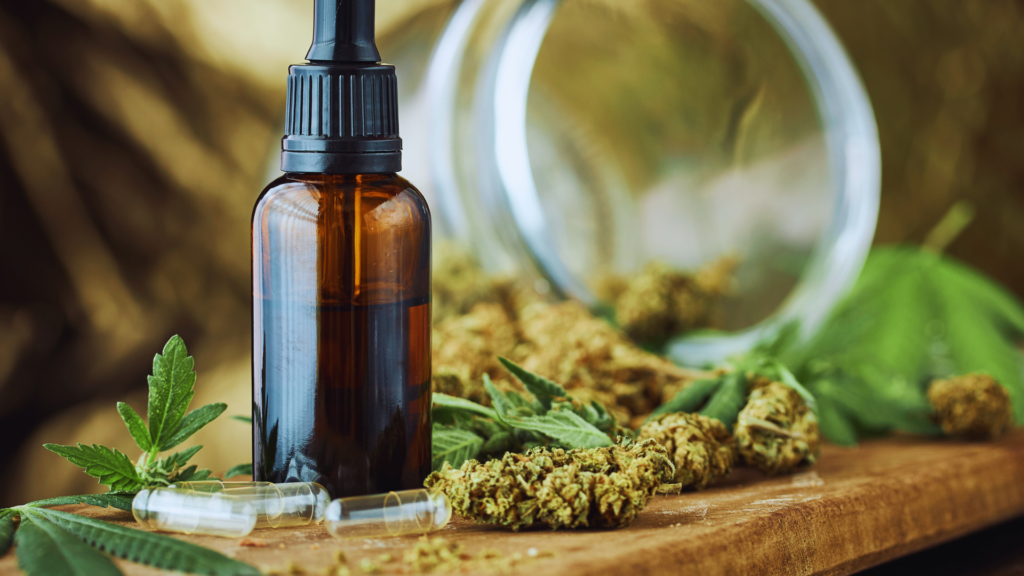
Cannabidiol, commonly known as CBD, has gained significant attention in recent years for its potential health benefits. Studies indicate that CBD may help alleviate symptoms associated with anxiety, chronic pain, and inflammation, making it a valuable tool for many seeking relief without the psychoactive effects of THC. As a cannabinoid derived from the Cannabis Sativa plant, CBD interacts with the body’s endocannabinoid system, suggesting a wide range of therapeutic applications.
Individuals exploring natural remedies for various health concerns often turn to CBD as a promising option. Its non-intoxicating nature allows users to experience its benefits without the high associated with other cannabis compounds. The growing interest in CBD is supported by ongoing research that seeks to uncover its full potential for improving quality of life.
For those curious about incorporating CBD into their health regimen, understanding its effects and applications can lead to informed choices. By examining current findings and real-life experiences, one can better appreciate how this versatile cannabinoid may enhance overall well-being.
Overview of CBD
Cannabidiol, commonly known as CBD, is a compound derived from the cannabis plant, gaining attention for its potential health benefits. A clear understanding of CBD involves its definition, historical context, and its role within the broader cannabinoid family, including its interaction with the endocannabinoid system.
What Is CBD?
CBD is one of over 100 cannabinoids found in the cannabis plant. Unlike its more famous counterpart, tetrahydrocannabinol (THC), CBD does not produce psychoactive effects, meaning it will not cause a “high.” It is often extracted from hemp, which is defined as cannabis containing less than 0.3% THC. This low-THC content makes hemp-derived CBD legally available in many regions, especially following the 2018 Farm Bill in the United States, which legalized hemp cultivation.
History of CBD Use
The use of cannabis for medicinal purposes dates back thousands of years. Historical records suggest that ancient cultures utilized various parts of the cannabis plant for its therapeutic effects. CBD specifically gained popularity in the modern era as research began to highlight its potential health benefits. The 2018 Farm Bill marked a significant turning point, allowing for the commercial production of hemp-derived CBD, thereby increasing accessibility and fostering research on its applications.
Understanding Cannabinoids
Cannabinoids are the active compounds found in the cannabis plant that interact with the body’s endocannabinoid system (ECS). This system plays a crucial role in maintaining homeostasis, affecting processes such as mood, pain sensation, and memory. CBD is a non-intoxicating cannabinoid that works by modulating various receptors in the ECS. Understanding how CBD interacts with other cannabinoids can enhance its therapeutic potential. For example, the entourage effect suggests that cannabinoids may work better together rather than in isolation, opening avenues for further research into combined cannabinoid therapies.
Health Benefits and Medical Uses
Cannabidiol (CBD) has garnered attention for its potential health benefits and various medical applications. Research indicates its promise in addressing chronic pain, mental health disorders, and neurological conditions. This section explores these key areas in detail.
Chronic Pain and Inflammation
CBD may offer relief for those suffering from chronic pain. Studies suggest that it interacts with the endocannabinoid system, which plays a role in pain perception. It possesses anti-inflammatory properties, making it beneficial for conditions like arthritis and multiple sclerosis.
Patients report reduced discomfort and improved mobility after using CBD oil or topical applications. The compound can also provide relief from nerve pain, which is often difficult to treat with traditional pain medications. Lowering inflammation can enhance the quality of life for many individuals.
Mental Health Disorders
CBD shows promise in managing mental health disorders such as anxiety, depression, and PTSD. Research indicates it may help regulate mood and improve overall emotional well-being.
For instance, multiple studies reported a reduction in anxiety levels among participants using CBD, with some showing improvement within hours. Its potential to aid in treating depression is also under investigation. The non-psychoactive nature of CBD makes it an appealing alternative for individuals seeking relief without the high associated with THC.
Neurological Disorders
Research into CBD’s effects on neurological disorders is ongoing. Initial findings suggest it may have neuroprotective properties. Conditions such as Alzheimer’s and Parkinson’s disease have prompted studies examining CBD’s role in protecting brain cells and improving motor function.
For Alzheimer’s patients, CBD may slow cognitive decline by reducing inflammation in the brain. In the case of Parkinson’s, it could help with managing symptoms like tremors and rigidity. These findings signal potential advancements in therapeutic strategies for these debilitating conditions.
Managing Seizure Disorders
CBD has gained recognition for its effectiveness in managing seizure disorders, particularly in children. The FDA approved Epidiolex, a CBD-derived medication, for treating Dravet syndrome and Lennox-Gastaut syndrome.
Clinical trials demonstrated significant reductions in seizure frequency among patients using CBD. Its anticonvulsant properties may offer hope for families seeking alternatives to conventional treatments. Continued research is crucial to understanding the full range of its effects on seizure management.
Potential in Cancer Treatment
Current studies are exploring CBD’s potential role in cancer treatment. While it is not a cure, preliminary research indicates it may have anti-cancer properties. Some evidence suggests that CBD can inhibit tumor growth and reduce the spread of cancer cells in certain types of cancers.
Additionally, CBD may assist in alleviating pain and nausea associated with chemotherapy. Patients undergoing treatment often seek natural remedies for symptom management. Thus, its incorporation into cancer care protocols is being actively investigated.
Safety Profile and Side Effects
Understanding the safety profile of CBD is crucial for potential users. It involves examining THC content, common side effects, and the implications of long-term use, particularly regarding liver health.
Understanding THC Content and Psychoactivity
CBD products vary in their THC content, which significantly influences their psychoactive properties. THC (tetrahydrocannabinol) is the compound responsible for the “high” associated with cannabis. Many CBD products are derived from hemp, which contains less than 0.3% THC, keeping them nonpsychoactive.
This low level of THC typically does not impair cognitive function or alter mood. However, higher THC levels can lead to unwanted psychotropic effects. For users seeking therapeutic benefits without intoxication, it is essential to choose products labeled as broad-spectrum or CBD isolate, which contain no THC.
Common Side Effects
While CBD is generally well-tolerated, some users may experience mild side effects. The most commonly reported issues include:
- Fatigue: Some individuals report feeling unusually tired after consumption.
- Diarrhea: This can occur, particularly with high doses.
- Nausea and Vomiting: While rare, it can happen with certain individuals, especially those new to CBD.
- Mood Changes: Some users may experience fluctuations in mood or anxiety.
Understanding personal tolerance levels helps mitigate these risks. Starting with low doses and gradually increasing can minimize negative effects and aid in finding an optimal amount.
Long-Term Use and Liver Injury
Recent studies suggest that long-term or high-dose CBD use may pose risks to liver health. Animal studies have indicated that excessive CBD can lead to an elevation of liver enzymes, a potential marker of liver damage. Users taking other medications that affect liver function should exercise caution.
Monitoring liver health through regular blood tests can help detect any issues early. Those considering long-term CBD usage should consult healthcare professionals to ensure safe dosage and overall health management. It is vital to balance the potential therapeutic benefits with the need for careful monitoring of liver health.
Forms and Usage of CBD Products
CBD products come in various forms, each with distinct benefits and methods of consumption. Understanding these formats can assist users in selecting the option that best fits their lifestyle and preferences.
Oils, Tinctures, and Capsules
CBD oil and tinctures are popular choices for their versatility and ease of use. These products are typically administered sublingually, allowing for rapid absorption into the bloodstream. They come in various concentrations, which makes it easier to tailor dosage to individual needs.
Capsules offer a simple way to incorporate CBD into a daily routine. They provide a pre-measured dose, eliminating guesswork associated with oils. Users may find capsules more convenient, as they resemble standard dietary supplements. However, capsules may take longer to take effect compared to oils due to digestion time.
Topicals and Bath Products
Topical CBD products such as creams, balms, and lotions are applied directly to the skin. They target localized discomfort and inflammation, making them suitable for muscle or joint pain relief. These products do not enter the bloodstream, which many users appreciate for localized treatment.
Bath bombs infused with CBD are gaining popularity for their relaxing properties. When added to warm bathwater, they provide a soothing experience while delivering the benefits of CBD. Users often find these products an enjoyable way to unwind after a long day.
Edibles and Gummies
CBD edibles, particularly gummies, are another favored form. They come in a variety of flavors and dosages, making them appealing to a wide audience, including those who may be apprehensive about oils or capsules. Edibles take longer to take effect, as they must be digested.
This method allows for discreet consumption, suitable for on-the-go lifestyles. Consumers appreciate that they often combine the enjoyment of a treat with the potential benefits of CBD. Precise dosing is essential, as the effects can vary after ingestion compared to other delivery methods.
Vaporizers and Smoking
Vaping CBD has gained traction due to its quick onset of effects. Vaporizers heat CBD oil or flowers, allowing users to inhale the vapor. This method offers significant bioavailability, meaning more CBD enters the bloodstream quickly.
Smoking CBD-rich hemp flower is another option, providing an alternative experience for those familiar with traditional smoking. Users should consider the potential health impacts associated with inhalation and select quality products to minimize harmful additives. Vaping and smoking are often preferred for their immediate effects, particularly for managing acute symptoms.