
Creating a lifestyle that fosters inner peace is a journey many people seek. By focusing on simple yet effective strategies, individuals can cultivate a sense of calm amidst the chaos of daily life. Establishing mindful routines, connecting with nature, and prioritizing self-care are essential steps in nurturing this inner serenity.
The distractions and demands of modern life can often lead to stress and anxiety. By intentionally structuring one’s environment and choices, a person can create space for reflection and tranquility. Incorporating activities such as meditation, yoga, or spending quiet moments in nature can significantly contribute to achieving a balanced state of mind.
Developing inner peace is not a one-time effort but an ongoing practice. By embracing mindfulness and integrating it into daily habits, individuals can enhance their overall well-being. This commitment to nurturing tranquility can lead to a more fulfilling and harmonious life.
Laying the Foundation: Mindset and Self-Awareness
A strong foundation of mindset and self-awareness is essential for nurturing inner peace. This involves recognizing personal thoughts and emotions while cultivating practices that promote clarity, wisdom, and positive emotions.
Understanding Inner Peace
Inner peace is a state of mental and emotional stability where one experiences freedom from distress. It emerges from a deep understanding of oneself and acceptance of life circumstances. Recognizing triggers and negative thought patterns can help individuals manage their emotional responses.
It’s crucial to differentiate between temporary happiness and lasting inner peace. While happiness may rely on external factors, inner peace comes from self-acceptance and emotional resilience. By embracing this understanding, individuals can start a journey toward true tranquility.
Embracing Mindfulness and Presence
Mindfulness involves focusing on the present moment without judgment. This practice fosters self-awareness and fosters clarity in thoughts and feelings. Techniques such as meditation, deep breathing, and mindful observation can enhance this experience.
Integrating mindfulness into daily activities helps in appreciating simple moments. Whether sipping coffee or taking a walk, being fully present allows individuals to engage deeply with life. This presence generates calmness, reduces stress, and enhances overall well-being.
Cultivating Gratitude and Acceptance
Gratitude involves recognizing and appreciating the positive aspects of life. Keeping a gratitude journal can be an effective tool for reflecting on daily blessings. This practice shifts focus from negativity to positivity, reinforcing inner peace.
Acceptance is equally vital. It requires acknowledging circumstances beyond one’s control and developing a mindset of contentment. By letting go of resistance, individuals create space for joy and happiness. This dual approach of cultivating gratitude and acceptance nurtures lasting inner peace.
Daily Practices for Nurturing Tranquility
To nurture inner peace, implementing daily practices is essential. Consistency in routines, mindfulness techniques, and self-care measures can significantly impact one’s sense of tranquility. Fostering healthy habits supports a balanced nervous system and a refreshing environment for mental clarity.
Creating a Restorative Daily Routine
A restorative daily routine acts as the foundation for tranquility. Incorporating structured yet flexible time blocks allows individuals to prioritize essential tasks. Mornings can start with calming activities like gentle stretching or herbal tea.
Afternoon breaks should include short walks or breathing exercises. These moments recharge the mind and body. Nighttime rituals, such as reducing screen time and dimming lights, signal the body to wind down. This structure promotes a peaceful transition from day to night.
Integrating Meditation, Yoga, and Mindful Movement
Meditation and yoga create powerful tools for fostering tranquility. Regular practice helps regulate the nervous system and calm the mind. A simple body scan meditation can ground individuals in the present moment.
Incorporating mindful movement practices can boost overall well-being. Gentle yoga sessions focus on breath and alignment, promoting relaxation. These practices help individuals connect with their bodies, reducing mental clutter and enhancing awareness.
Promoting Relaxation Through Self-Care and Healthy Habits
Self-care is integral to nurturing tranquility. It encompasses physical, emotional, and mental well-being. Engaging in activities like reading, bath time, or nature walks can significantly reduce stress. Healthy habits support relaxation and overall health. A balanced diet rich in whole foods fuels the body. Regular sleep patterns also contribute to mental clarity, enhancing daily performance. Establishing these practices ensures individuals can recharge effectively.
The Power of Journaling and Affirmations
Journaling serves as a powerful tool for reflection and clarity. Writing thoughts and feelings can help individuals process emotions and identify triggers. Regular journaling promotes self-awareness, enhancing emotional resilience.
Affirmations play a crucial role in shaping a positive mindset. Using affirmations daily reinforces self-confidence and encourages a more optimistic outlook. Combining journaling with affirmations encourages growth and supports the quest for inner peace.
Cultivating Harmony in Your Environment and Relationships
Creating a peaceful lifestyle involves both designing an environment that nurtures tranquility and fostering supportive relationships. A harmonious space paired with clear communication can significantly enhance inner peace.
Designing a Sacred Sanctuary: Home and Nature
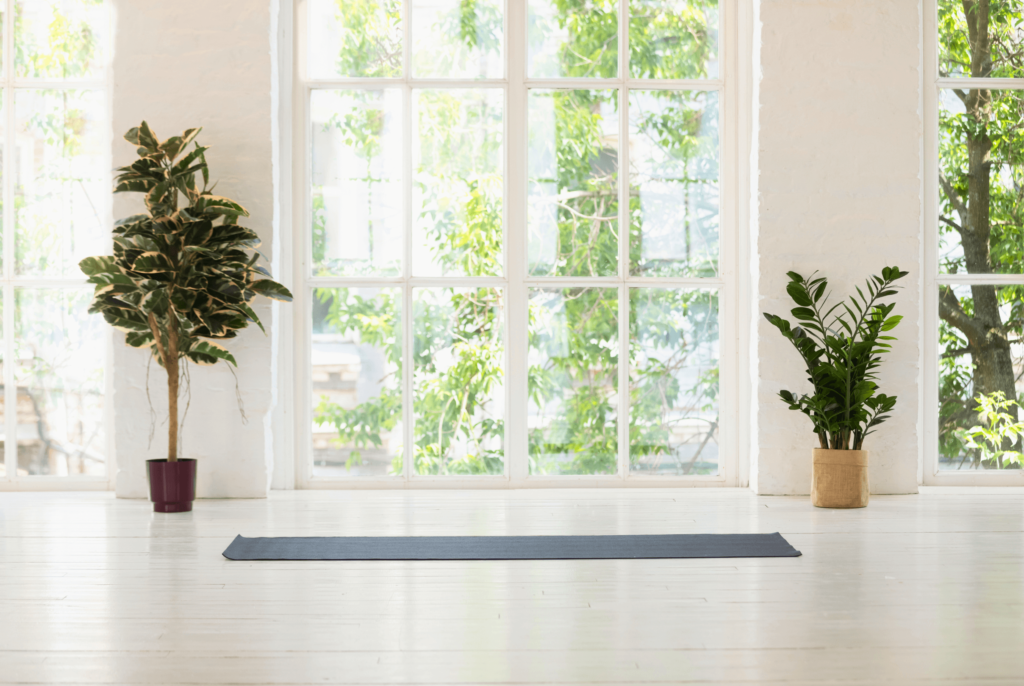
An effective way to promote inner peace is by transforming living spaces into sanctuaries. This involves using natural materials, soft colors, and incorporating elements of nature, like plants and flowers, to enhance beauty and comfort.
Maximizing natural light is crucial; it creates an uplifting atmosphere. Consider strategic room layouts that allow light to flow freely. Adding cozy textiles—such as soft blankets and cushions—can provide comfort, making the space inviting.
Integrating outdoor elements, like a garden or potted plants, fosters a connection to nature. Natural surroundings contribute to balance and offer a respite from daily stress, creating a peaceful home environment.
Setting Boundaries and Communicating Clearly
Establishing boundaries is essential for maintaining harmony in relationships. Clear communication about personal limits helps others understand needs and expectations. It is important to articulate what one is comfortable with in various situations, from social gatherings to personal space. This clarity helps build mutual respect and strengthens connections.
Regular check-ins with friends and family can also promote a sense of support. These conversations can reveal unspoken feelings and needs, allowing for deeper understanding and cooperation. Taking the time to communicate effectively nurtures relationships and fosters an environment of trust and comfort.
Building Supportive Community Connections
Cultivating a supportive community is vital for inner peace. Engaging with like-minded individuals can encourage and foster a sense of belonging. Participating in group activities, such as classes or volunteer work, can create connections that enhance personal growth. Seeking individuals with similar values promotes a balance that enriches life.
Furthermore, maintaining an open dialogue within the community can help address concerns and celebrate successes. This connectivity strengthens support networks, making it easier to navigate challenges together. Find comfort in shared experiences, which can reinforce feelings of safety and acceptance within the community.
Fostering Emotional Resilience and Personal Growth
Building inner peace involves creating a foundation of emotional resilience and personal growth. This can be achieved through managing anxiety, developing self-worth, and pursuing meaningful objectives. Each aspect plays a crucial role in cultivating a balanced and fulfilling life.
Letting Go of Anxiety and Negative Emotions
To foster emotional resilience, one must first address anxiety and negative emotions. Practicing mindfulness techniques, such as meditation and deep breathing, allows individuals to center themselves in the present moment.
Journaling can also be an effective tool for expressing feelings, identifying triggers, and reflecting on personal experiences. This practice promotes clarity and release, reducing the hold that negative emotions have on one’s mindset.
Engaging in physical activities, like walking or yoga, contributes to emotional well-being. These habits not only alleviate stress but also boost endorphins, enhancing mood and resilience. Prioritizing one’s mental health allows individuals to navigate challenges with greater ease.
Developing Resilience, Motivation, and Self-Worth
Building resilience requires a deliberate focus on self-worth and motivation. Individuals can enhance their resilience by adopting a growth mindset, which encourages viewing failures as learning opportunities. Recognizing personal achievements, even small ones, reinforces self-worth.
Affirmations and positive self-talk are essential for combating self-criticism and fostering a supportive inner dialogue. Setting realistic goals contributes to motivation, making it easier to progress toward personal aspirations.
Curiosity plays a key role in personal growth as it fosters creativity and openness to new experiences. Exploring different interests cultivates wisdom and adaptability, essential traits for navigating life’s ups and downs.
Pursuing Meaningful Goals and Joy
Identifying and pursuing meaningful goals is instrumental in fostering joy and fulfillment. Individuals should evaluate their passions and values, ensuring that their objectives align with what satisfies them.
Creating a roadmap for achieving these goals can instill a sense of purpose. This could include breaking larger goals into smaller, manageable steps, enhancing motivation, and focus. Celebrating progress, no matter how minor, reinforces a sense of achievement and joy.
Cultivating hobbies and interests ignites creativity, adding excitement to daily routines. Pairing personal goals with moments of joy establishes a balanced lifestyle, contributing to long-term emotional and physical well-being.