
Building a wellness toolkit can be essential for navigating difficult days. When faced with stress, anxiety, or uncertainty, having a set of reliable strategies at hand can make all the difference. A personalized wellness toolkit equips individuals with practical tools to support their mental, emotional, and physical health during challenging times.
Creating this toolkit involves identifying activities and resources that resonate with personal needs and preferences. This may include mindfulness practices, physical exercises, comforting hobbies, or even supportive connections with friends and family. By curating a selection of effective strategies, individuals can foster resilience and better manage their responses to tough situations.
Engaging in proactive self-care through a wellness toolkit not only enhances coping skills but also promotes overall well-being. The right tools can transform a difficult day into an opportunity for growth and self-discovery, allowing individuals to reclaim their balance.
Why Build a Wellness Toolkit for Difficult Days?
Creating a wellness toolkit empowers individuals to manage life’s challenges more effectively. By focusing on self-care, recognizing personal triggers, and understanding the impact on health, a toolkit becomes a vital resource during tough times.
Understanding the Importance of Self-Care
Self-care is essential for maintaining mental and physical health. It involves intentional actions that prioritize personal well-being. These activities might include mindfulness practices, exercise, or creative outlets.
Recognizing the need for self-care can help individuals recharge. They can develop a deeper understanding of what activities restore their energy and calm. It’s important to seek out resources available in a self-care toolkit that caters to unique preferences and needs.
Identifying Personal Triggers and Warning Signs
Identifying personal triggers plays a crucial role in managing stress. Individuals can keep track of patterns that lead to difficult feelings or situations. This awareness allows for timely interventions.
It’s beneficial to create a list of common warning signs, such as fatigue or irritability. When recognized early, these signs signal the need for self-care strategies. A robust toolkit will include specific actions tailored to counteract these triggers effectively.
Benefits for Mental and Physical Health
A wellness toolkit significantly enhances both mental and physical well-being. Regular use can decrease stress levels, improving emotional resilience. Engaging in self-care practices fosters a more positive mindset.
Physical health also benefits through activities such as exercise, which aids in stress relief. Maintaining both mental and physical wellness can lead to improved overall quality of life. Consequently, a carefully curated toolkit promotes resilience in tough circumstances.
Essential Components of a Wellness Toolkit
A wellness toolkit comprises practical strategies and activities that support mental and physical well-being. Mindfulness, journaling, and movement are key elements that can help navigate difficult days effectively.
Mindfulness and Relaxation Techniques
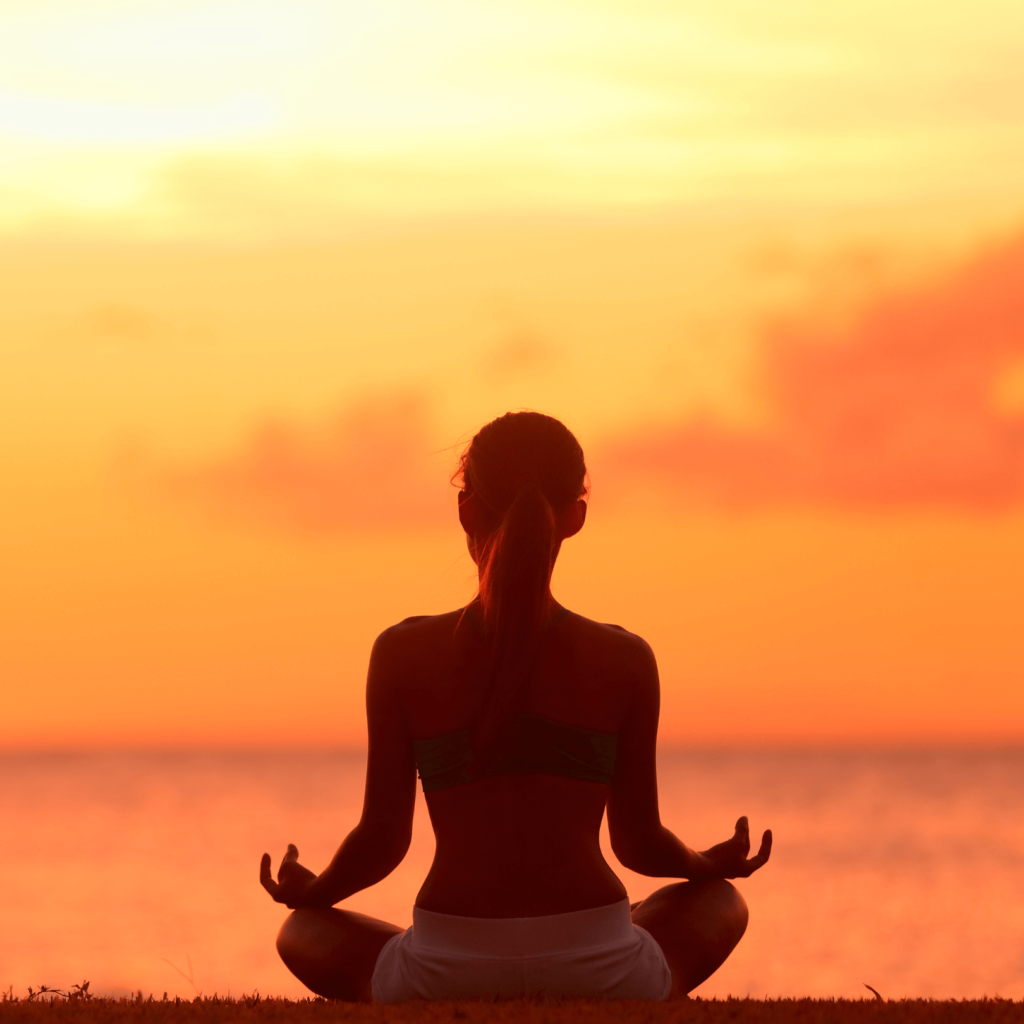
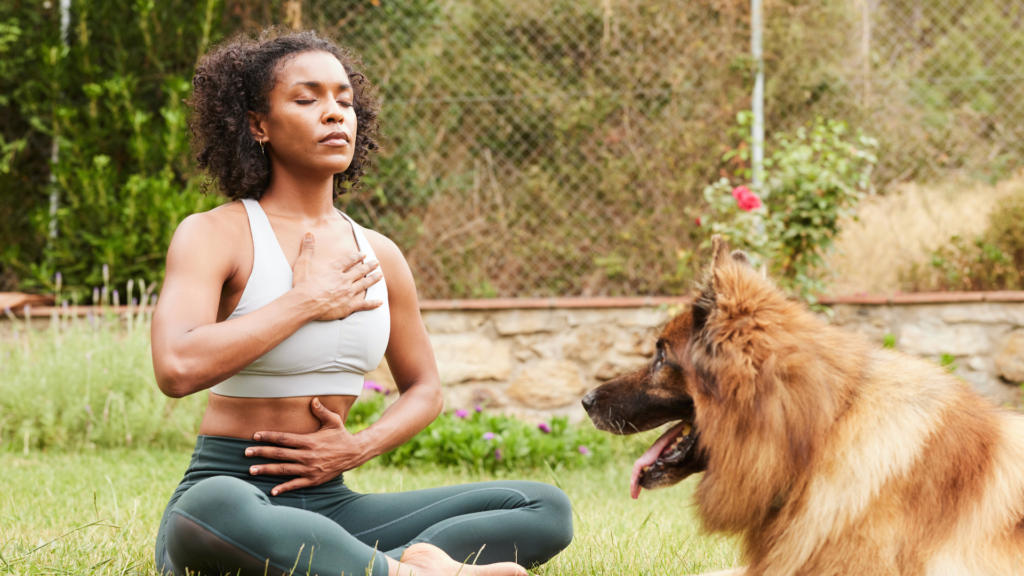
Mindfulness techniques aid in promoting mental clarity and emotional balance. Regular practices such as meditation and guided meditation can significantly reduce stress levels. Breathing exercises, including deep breathing and focused breathwork, encourage relaxation.
Progressive muscle relaxation helps to release physical tension by systematically tensing and relaxing muscle groups. Engaging in relaxation exercises can lead to improved mood and better coping mechanisms. These techniques not only foster a sense of calm but also enhance overall physiological health.
Journaling and Self-Reflection
Journaling serves as an effective tool for self-reflection and emotional processing. Writing about thoughts and feelings can clarify emotions and identify patterns that contribute to stress.
Setting aside time each day to journal allows for deeper mental exploration. Individuals might use prompts or list things they are grateful for to foster a positive mindset. Additionally, this practice can help track personal growth over time, providing insight into coping strategies that work best for the individual.
Movement and Physical Activity
Incorporating movement into a daily routine can greatly enhance physical and mental health. Activities like yoga not only build strength but also promote relaxation through mindful movement.
Engaging in regular physical exercise, such as walking or running, releases endorphins, which are known to elevate mood. Even short bursts of activity can contribute to significant stress reduction and overall well-being. Establishing a consistent movement practice can provide energy boosts and improve resilience during challenging times.
Emotional and Social Support Strategies
Emotional and social support can significantly aid during difficult days. Engaging with health professionals, connecting with friends, and participating in community acts of kindness are effective strategies that promote mental well-being.
Connecting with Health Professionals
Consulting health professionals provides access to tools and guidance tailored to managing difficult emotions and anxiety. Therapists and counselors can help individuals understand their feelings and develop coping strategies.
A mental health professional may suggest techniques such as cognitive-behavioral therapy or mindfulness exercises. These methods enable individuals to recognize negative thought patterns and replace them with healthier alternatives. Regular check-ins can ensure ongoing support and facilitate progress.
Taking the initiative to schedule appointments and discuss specific concerns is vital. This proactive approach reinforces the importance of mental health and encourages accountability in one’s wellness journey.
Support from Friends and Peers
Having a reliable support system is essential for emotional resilience. Friends and peers can provide a listening ear, valuable perspective, and distraction during tough times. Regularly reaching out to trusted individuals fosters strong connections and reduces feelings of isolation.
Establishing a routine of phone calls or video chats with friends can uplift spirits. Engaging in activities together, like exercise or hobbies, encourages positive interaction and shared experiences.
In addition, peer groups or support communities focused on anxiety can be advantageous. These groups create a safe space for individuals to share their experiences, learn from one another, and feel understood.
Acts of Kindness and Community Engagement
Participating in acts of kindness can elevate mood and provide a sense of purpose. Simple gestures, such as volunteering in local organizations, can foster community connections and personal fulfillment.
Maintaining a gratitude journal is another beneficial activity. Noting acts of kindness received or given encourages a positive outlook and appreciation for life’s small joys.
Community engagement through local events or charities allows individuals to meet new people and expand their support networks. These interactions can be incredibly enriching and help create a sense of belonging.
Personalizing and Maintaining Your Toolkit
Creating a personalized wellness toolkit that adapts to individual needs promotes self-compassion and effective self-care. Regular updates and incorporating enjoyable activities are essential to ensuring the toolkit remains relevant and effective.
Regular Review and Adaptation
To maintain an effective self-care toolkit, regular reviews are crucial. Setting a reminder every few months to evaluate the tools, strategies, and practices helps in assessing what works and what doesn’t.
During this review, individuals should ask themselves:
- What self-care activities brought joy or relief?
- Which techniques need adaptation or replacement?
- Are there new strategies that need to be added?
Adapting the toolkit encourages growth and responsiveness to changing situations. By being proactive in modifying the toolkit, individuals foster a tailored approach that supports ongoing wellness.
Incorporating Hobbies and Creative Outlets
Hobbies play a vital role in maintaining mental health. Engaging in creative activities provides an outlet for expression and relaxation.
Some effective hobbies include:
- Painting or drawing
- Writing in a journal
- Gardening
Incorporating these activities into the toolkit allows for connectivity with oneself. Individuals should select hobbies that resonate personally, ensuring they look forward to engaging in these practices.
Creativity can serve both as a distraction and a healing process, making it an essential part of a comprehensive wellness toolkit.
Using Technology and Wellness Apps
With advancements in technology, several wellness apps can assist in maintaining a self-care routine. Meditation apps, for example, offer guided sessions that can reduce stress and enhance focus.
Popular apps to consider include:
- Headspace
- Calm
- Insight Timer
These tools help users practice mindfulness and improve emotional health. Tracking well-being through self-assessment features in these apps can provide insights that aid in personal growth.
Integrating technology into a wellness toolkit can enhance accessibility and engagement, making self-care more manageable and enjoyable.